
Best Cheap Saltwater Fishing Rods Compared by Fit

Sougayilang SK 7-Foot Inshore Spinning Rod suits most anglers looking for a saltwater rod because its 7-foot spinning design is made for inshore fishing. Choose a combo instead if you need a reel or tackle included, or a longer rod for surf casting.
Saltwater rods are built to resist corrosion and match the casting distance and fish size you expect; “cheap” cannot be determined from these product specifications alone.
We earn a commission if you buy through links on this page. As an Amazon Associate I earn from qualifying purchases. Products are compared on manufacturer specifications, not hands-on testing.
- Best overall: Sougayilang SK 7-Foot Inshore Spinning Rod – A dedicated 7-foot inshore spinning rod with a carbon-fiber blank and stainless steel guides.
- Best for a ready-to-fish kit: Ugly Stik 7-Foot Saltwater Spinning Kit – Includes a reel, pre-spooled line, and nine saltwater tackle pieces.
- Best for longer casts: Penn Battle IV 8-Foot Combo – Its 8-foot rod is the longest option listed, with a 5000-size reel.
| Product | Best for | Rod length | Rod material | Included setup | Shop |
|---|---|---|---|---|---|
| Sougayilang SK 7-Foot Inshore Spinning Rod | Inshore spinning | 84 in | Carbon fiber | Rod only | Check Price on Amazon |
| Ugly Stik 7-Foot Saltwater Spinning Kit | Starter tackle kit | 84 in | Graphite and fiberglass | Reel, line, tackle | Check Price on Amazon |
| KastKing ReKon 7-Foot-6-Inch Combo | Higher drag capacity | 90 in | — | 4000 reel | Check Price on Amazon |
| Penn Battle IV 8-Foot Combo | Longer rod reach | 96 in | Graphite composite | 5000 reel | Check Price on Amazon |
| PLUSINNO 5.91-Foot Telescopic Combo | Compact carry | 70.92 in | Carbon fiber and fiberglass | 3000 reel; no line | Check Price on Amazon |
Saltwater Fishing Rods and Combos
Compare rod length and included gear first, then match the setup to your fishing conditions.
Sougayilang SK 7-Foot Inshore Spinning Rod
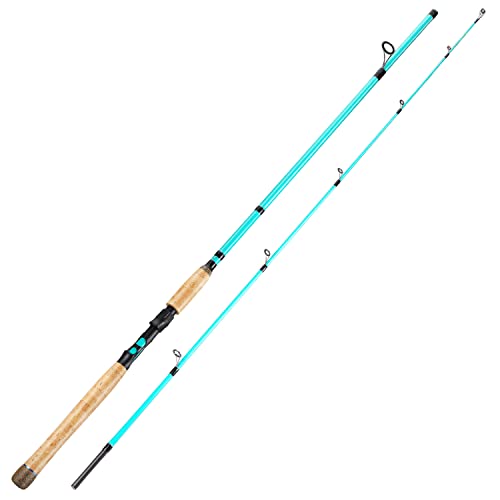
Unlike the other options, this is a dedicated inshore spinning rod rather than a rod-and-reel combo. Its 7-foot carbon-fiber blank, stainless steel guides, reel seat, and AAA cork handle suit anglers who already have a compatible reel and want a rod for varied inshore fishing. The maker says the blank is designed for sensitivity, strength, and power. The limitation is that the rod is sold without a reel, so it is a poor fit if you need a complete setup in one purchase.
Bottom line: Choose this rod if you already own a reel and mainly fish inshore.
Ugly Stik 7-Foot Saltwater Spinning Kit

Unlike the rod-only pick, this 7-foot telescopic spinning combo includes a reel, line, and nine tackle pieces: two bottom rigs, two 3-ounce pyramid sinkers, and five 3/0 circle hooks. Its graphite-and-fiberglass construction and medium-heavy designation make it a practical all-in-one option for anglers who want tackle included. The maker specifies a 14-pound pre-spooled line and a 7-year rod warranty. The tradeoff is a single-bearing reel, which may not suit buyers prioritizing a more elaborate reel setup.
Bottom line: Pick this kit if you want tackle and a pre-spooled reel with your rod.
KastKing ReKon 7-Foot-6-Inch Combo

This 7-foot-6-inch medium-heavy combo pairs a longer rod with a 4000-size reel, setting it apart from the shorter kits. The maker specifies a 30-pound, two-disc carbon-fiber drag for the 3000 and 4000 reel sizes, plus five shielded stainless-steel bearings and one polymer bail bearing. That makes it the option to consider when reel drag capacity is a priority.
Bottom line: Choose this combo when a 7-foot-6-inch rod and 30-pound drag suit your target fishing.
Penn Battle IV 8-Foot Combo

At 8 feet, this rod is longer than the other combos and may suit anglers who want more reach for casting from shore. It pairs a two-piece graphite-composite rod with a 5000-size reel, six Dura-Guides, and a maximum 25-pound drag. The maker specifies 36 inches of line recovery per crank turn. The longer length is not automatically better in tight spaces or when fishing from a small boat, so choose it for reach rather than assuming it will fit every setting.
Bottom line: Pick this combo when an 8-foot rod and 5000-size reel match your fishing spot.
PLUSINNO 5.91-Foot Telescopic Combo
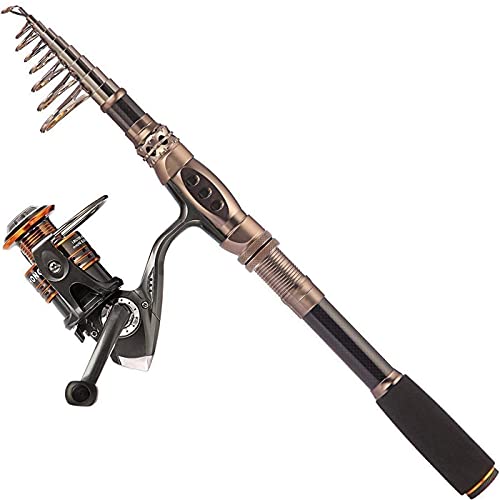
This is the shortest and most compact option, with a 5.91-foot telescopic rod and a 3000-size reel. The maker identifies a carbon-fiber-and-fiberglass build, a corrosion-resistant stainless-steel reel-seat hood, and an EVA foregrip. The reel has a 5.2:1 gear ratio; the combo does not include lures or line. Its shorter reach can be handy when portability matters, but anglers who need longer casting reach should consider one of the longer rods instead.
Bottom line: Choose this compact combo if portability matters more than maximum rod reach.
How to choose a saltwater fishing rod
Choose rod length and power based on where you fish and the size of your target, not the word “saltwater” alone. Inshore spinning rods commonly run about 7 to 7.5 feet, while surf rods often fall around 9 to 12 feet to help cast beyond breaking waves. Longer rods add reach but can be harder to handle around docks, brush, and small boats. As a practical rule, choose a rod under 8 feet for restricted spaces and consider 9 feet or longer when casting from an open beach. Match the reel and line to the rod’s power and line rating; these specs do not give a line rating for every option.
Rod length and fishing location
Rod length changes casting leverage and maneuverability: a 7-foot rod is a versatile inshore size, while 9 feet or more is common for surf casting. The product choices here span about 5.9 to 8 feet, so none reaches the common long-surf-rod range. Shorter rods are easier to carry and work around structure; longer rods generally help with casting distance and line control. For a beach with open casting space, prioritize reach; for a kayak, dock, or tight shoreline, favor compact handling. Casting distance also depends on lure weight, line, technique, and wind, so rod length alone cannot guarantee a longer cast.
Rod materials and saltwater care
Graphite rods tend to feel lighter and more responsive, while fiberglass is generally more flexible and durable; composite blanks combine aspects of both. Saltwater exposure can corrode metal components, so rinse the rod and reel with fresh water after each trip and dry them before storage. Avoid high-pressure spray, which can push salt and grit into reel components. Check guides for rough spots that could damage line, and inspect reel-seat hardware and connections for looseness. On a two-piece rod, keep the ferrule clean and seat the sections firmly without forcing them; telescopic rods should be extended and collapsed carefully to avoid trapping grit.
Rod, combo, and kit differences
A rod-only purchase works when you already have a reel that matches its power and intended line. A combo pairs rod and reel, while a kit may add line or tackle, reducing the number of separate items to assemble. Compare what is actually included before selecting a setup: some combos arrive without line or lures, and included tackle may not match every species or location. The table separates the basic setup types so you can choose by need rather than assuming every combo is ready to fish.
| Setup type | What it includes | Choose it when |
|---|---|---|
| Rod only | Rod; reel supplied separately | You have a compatible reel |
| Combo | Rod and reel | You want matched core gear |
| Kit | Rod, reel, and some added tackle or line | You want more components together |
Frequently Asked Questions
What rod length works well for inshore saltwater fishing?
A 7- to 7.5-foot rod is a common all-around inshore length. Go shorter when casting around docks or brush, and longer when open shoreline gives you room to swing.
How long should a surf fishing rod be?
Surf rods commonly measure about 9 to 12 feet. Choose toward the longer end when you need extra casting reach and have open space to handle the rod.
Can a freshwater rod be used in saltwater?
Yes, but saltwater can corrode guides, reel seats, and reel parts that are not corrosion resistant. Rinse gear with fresh water after each saltwater trip and dry it before storage.
What does medium-heavy rod power mean?
Medium-heavy describes a rod’s power, or how much force it takes to bend, rather than its length. Match power to the lure, line, and fish size the rod is intended to handle; check the rod’s rating before pairing it with a reel.
Should I choose a spinning rod or a casting rod for saltwater?
Spinning gear is a common choice for general inshore use and easier lure changes, while baitcasting gear offers direct spool control for anglers comfortable managing line. Select the rod type that matches your reel; a spinning reel and casting rod are not interchangeable setups.