
Ultrasonic Bed Bug Repellers: 4 Models Compared

PestLab Ultrasonic Repeller, 1 Pack is the clearest match for an ultrasonic bed bug repeller because it explicitly names bed bugs and claims coverage of up to 300 square feet per room. Ultrasonic plug-ins emit high-frequency sound, but they are not a reliable standalone way to eliminate bed bugs; choose a different approach if you need to address an active infestation.
We earn a commission if you buy through links on this page. As an Amazon Associate I earn from qualifying purchases. Products are compared on manufacturer specifications, not hands-on testing.
- Best overall: PestLab Ultrasonic Repeller, 1 Pack – It names bed bugs and gives a room coverage figure of up to 300 square feet.
- Best for a multi-unit pack: Exom Essentials Ultrasonic Repeller, 4 Pack – It names bed bugs and comes as a four-pack, but gives no coverage figure.
| Product | Best for | Pack size | Power | Shop |
|---|---|---|---|---|
| PestLab Ultrasonic Repeller, 1 Pack | Single-room placement | 1 unit | Standard outlet | Check Price on Amazon |
| Exom Essentials Ultrasonic Repeller, 4 Pack | Four-unit setup | 4 units | 100–240V AC | Check Price on Amazon |
| Ultrasonic Indoor Pest Repeller, 6 Pack | Multi-room plug-ins | 6 units | — | Check Price on Amazon |
| Ultrasonic Indoor Repeller, 4 Pack | Four-room comparison | 4 units | Standard outlet | Check Price on Amazon |
Ultrasonic Bed Bug Repellers
Compare the pest targets and practical specifications, but do not rely on sound-emitting plug-ins as bed bug treatment.
PestLab Ultrasonic Repeller, 1 Pack
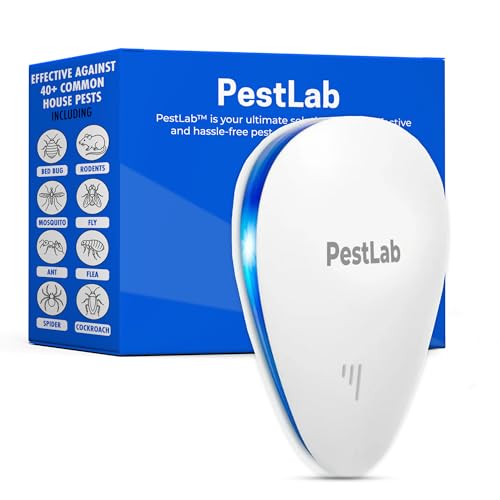
Unlike the other models here, this repeller gives a per-room coverage figure: up to 300 square feet of open indoor space. PestLab says it emits ultrasonic frequencies intended to drive bed bugs and several other pests out of the treated room. The compact plug-in has an LED indicator and needs no batteries. It suits someone comparing a clearly specified single-room unit, but ultrasonic devices are not a dependable way to eliminate bed bugs. Sound waves do not pass through walls, so the maker says to use one unit in each room.
Bottom line: Choose this if you want an explicitly named bed bug target and a room coverage figure.
Exom Essentials Ultrasonic Repeller, 4 Pack

This four-pack explicitly names bed bugs among its target pests, while the other multi-unit options do not. The maker gives a 100–240V AC supply range and 1–3 watts of power consumption per the product text. Its broader claimed targets include rodents and insects, and the plug-in format is intended for indoor and other spaces. Ultrasonic repellers should not be treated as a substitute for established bed bug control.
Bottom line: Choose this if multiple units and an explicitly named bed bug target matter more than a coverage figure.
Ultrasonic Indoor Pest Repeller, 6 Pack
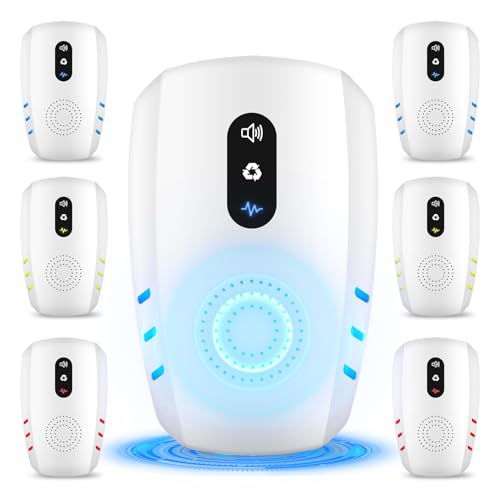
The six-pack has more units than the other options, but its named targets are mice, rats, roaches, ants, spiders, and mosquitoes rather than bed bugs. Its operating range is 10–65 kHz, a frequency specification that does not establish bed bug control. The maker describes it for indoor use in homes, offices, and garages. It may fit someone comparing general pest repellers across several rooms, but buyers seeking a device specifically identified for bed bugs should note that bed bugs are not among its named targets. Ultrasonic sound alone is not a dependable bed bug treatment.
Bottom line: Choose this for a six-unit general pest setup, not as a bed bug-specific option.
Ultrasonic Indoor Repeller, 4 Pack

The maker says users may notice fewer pests within 2–4 weeks and that activity can increase during the first 1–2 weeks; those are performance claims, not a proven bed bug-control timeline. It may suit buyers comparing general indoor pest devices, but it is a weak match for a bed bug-specific need. Do not delay proven inspection and treatment based on a plug-in’s expected timeline.
Bottom line: Choose this only for general indoor pest comparison, not for bed bug control.
How to choose an ultrasonic bed bug repeller
Choose by named target and room coverage, but do not expect an ultrasonic plug-in to eliminate an infestation. Ultrasonic sound is above the usual range of human hearing, yet a device’s frequency or pest list alone does not show that bed bugs will leave or die. For a room-specific comparison, a square-foot figure is more useful than a broad claim about many pest types; even then, it describes the maker’s claimed coverage, not proven bed bug control. Sound does not travel through walls, so a plug-in cannot cover separate closed-off rooms. If you have bed bug evidence, prioritize inspection and a control plan rather than buying a larger pack or waiting for a claimed response period.
Where bed bugs hide and how to check
Bed bugs commonly hide near where people sleep, including mattress seams, bed frames, headboards, and nearby furniture cracks. Check these hiding places for live insects, shed skins, eggs, and dark fecal spots; inspect seams and joints rather than looking only across open fabric. Bed bugs are small, flat, and reddish-brown as adults, while young nymphs and eggs are much smaller and easier to miss. Avoid moving potentially infested bedding or furniture through the home, since that can spread insects to new rooms. A plug-in’s indicator light only signals its electrical status; it does not confirm that a room is free of bed bugs.
Bed bug control methods compared
For suspected bed bugs, inspection and integrated pest management are more dependable than sound-emitting plug-ins. Heat treatment can be effective when the entire infested area reaches a lethal temperature for long enough, while professional whole-room treatment requires specialized monitoring. A household clothes dryer on high heat for 30 minutes can kill bed bugs on suitable dryable items; washing alone may not reach every insect. Encasements and interceptors can help contain or monitor an infestation, but they do not replace treatment. Use this comparison to choose a next step, not to assume a single device will solve the problem.
| Need | More appropriate approach |
|---|---|
| Check whether a bed or room is infested | Inspect seams and use bed bug interceptors |
| Treat suitable clothing or bedding | Use a high-heat dryer cycle for 30 minutes |
| Address an established room infestation | Use a qualified pest professional and an integrated plan |
| Supplement general pest prevention | Do not treat an ultrasonic plug-in as bed bug control |
Common mistakes with bed bug plug-ins
The most consequential mistake is delaying inspection because a device claims that pests will leave after a waiting period. Bed bugs can persist in cracks and furnishings while a person waits, and moving a bed or infested items without containment can spread them. Another mistake is assuming a room-coverage figure applies through walls or doors; sound-based devices do not provide a dependable barrier between rooms. Avoid using unregistered pesticides or applying chemicals to mattresses unless the label specifically permits that use. If bites or signs continue, base the next step on physical inspection and qualified treatment advice, not on whether a plug-in is lit.
Frequently Asked Questions
Do ultrasonic repellers get rid of bed bugs?
Ultrasonic plug-ins are not a reliable standalone method for eliminating bed bugs. Use inspection and an established treatment approach rather than waiting for a device to make insects leave.
Can one ultrasonic repeller cover multiple rooms?
No sound-based unit should be assumed to cover separate rooms through walls. The PestLab unit claims up to 300 square feet of open space per room, so separate rooms require separate placement under that claim.
Does a higher ultrasonic frequency kill bed bugs?
A frequency specification alone does not demonstrate bed bug control or kill insects. For example, a 10–65 kHz operating range is a device specification, not evidence of treatment effectiveness.
How long should bedding go in a dryer for bed bugs?
Dry suitable items on high heat for 30 minutes to kill bed bugs. Check that the fabric can tolerate the cycle, and keep treated items separate from potentially infested belongings.
What signs should I look for in a bed?
Inspect mattress seams, bed-frame joints, and nearby furniture for live insects, shed skins, eggs, or dark fecal spots. Check close hiding places carefully because eggs and young nymphs are small.
Can I use a plug-in while treating bed bugs?
A plug-in should not replace inspection or treatment. Keep the focus on containing potentially infested items and addressing hiding places; an indicator light does not verify that bed bugs are gone.