
Best Tape for Concrete: 4 Options Compared by Use

T-REX Heavy Duty Duct Tape, 1.88 in is the best tape for concrete here because its maker specifically says it adheres to concrete, including wet, rough or dirty surfaces. For paint lines rather than repairs, choose Scotch Rough Surface Painter’s Tape, 1.41 in, a rough-surface painter’s tape; the other heavy-duty tapes list similar rough materials but do not specifically name concrete.
We earn a commission if you buy through links on this page. As an Amazon Associate I earn from qualifying purchases. Products are compared on manufacturer specifications, not hands-on testing.
- Best overall: T-REX Heavy Duty Duct Tape, 1.88 in – Its maker explicitly says the tape adheres to concrete, including wet, rough or dirty surfaces.
- Best for paint masking: Scotch Rough Surface Painter’s Tape, 1.41 in – It is rough-surface painter’s tape with an easy-removal method for painting.
- Best for wide repairs: Gorilla Tough & Wide Duct Tape, 2.88 in – Its 2.88-inch width offers broader coverage than the other repair tapes.
| Product | Best for | Width | Length | Intended use | Shop |
|---|---|---|---|---|---|
| T-REX Heavy Duty Duct Tape, 1.88 in | Concrete repairs | 1.88 in | 30 yd | Heavy-duty repairs | Check Price on Amazon |
| Scotch Rough Surface Painter’s Tape, 1.41 in | Paint masking | 1.41 in | 60 yd | Paint masking | Check Price on Amazon |
| Gorilla Tough & Wide Duct Tape, 2.88 in | Broad repair coverage | 2.88 in | 25 yd | Heavy-duty repairs | Check Price on Amazon |
| Gorilla Crystal Clear Tape, 1.88 in | Clear rough-surface repairs | 1.88 in | 18 yd | Indoor and outdoor repairs | Check Price on Amazon |
Tape for Concrete Compared by Job
Match each tape to whether you need a repair bond, broad coverage or a removable paint edge.
T-REX Heavy Duty Duct Tape, 1.88 in

T-REX Heavy Duty Duct Tape, 1.88 in is the clearest fit for concrete because its maker explicitly names concrete and says the tape works on wet, rough or dirty surfaces. The 1.88-inch roll has a waterproof backing, hand-tearable construction and an operating range of 32°F to 200°F for indoor and outdoor use. That combination suits a temporary repair or bundling task where an ordinary smooth-surface mounting tape is a poor match.
Choose another type for a crisp paint boundary: duct tape is built for repair and holding, not clean paint removal. Surface dust can still interfere with adhesion, so clear loose grit before applying.
Bottom line: Pick it when the job is a concrete repair rather than paint masking.
Scotch Rough Surface Painter’s Tape, 1.41 in

Scotch Rough Surface Painter’s Tape, 1.41 in is the paint-focused choice among these options: it is described as rough-surface painter’s tape and provides a removal method aimed at minimizing surface damage. Its 1.41-inch width and 60-yard roll suit masking runs more than patching or bundling. The maker advises pressing it firmly, waiting 30 to 60 minutes before painting, then peeling slowly at a 45-degree angle.
Use it when a defined paint edge matters, not when the main task is holding a repair together. Its features do not explicitly name concrete, so try a small area first when the concrete finish is delicate or uneven.
Bottom line: Pick it for masking work where controlled removal matters more than repair strength.
Gorilla Tough & Wide Duct Tape, 2.88 in
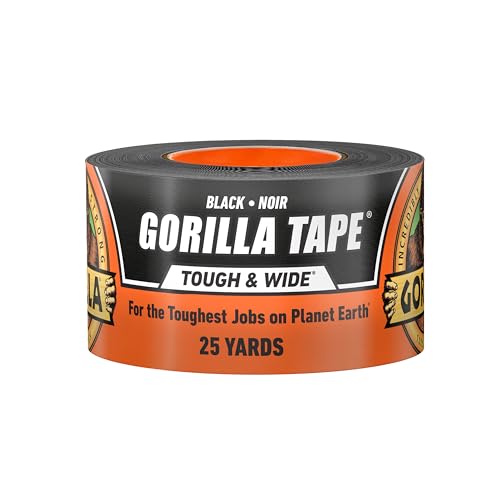
Gorilla Tough & Wide Duct Tape, 2.88 in stands out for coverage: its 2.88-inch width is wider than the other repair tapes here. Its maker says the reinforced backing and double-thick adhesive grip rough surfaces such as stone, stucco and brick, and resist moisture, UV rays and temperature extremes. The hand-tearable roll is intended for indoor and outdoor heavy-duty jobs where broad coverage is useful.
Concrete is not specifically named among its examples, so T-REX Heavy Duty Duct Tape, 1.88 in is the more direct match when that surface is the deciding factor. The black tape also may be a poor choice where a discreet or paint-ready finish matters.
Bottom line: Pick it when a wide repair strip is more useful than a concrete-specific claim.
Gorilla Crystal Clear Tape, 1.88 in
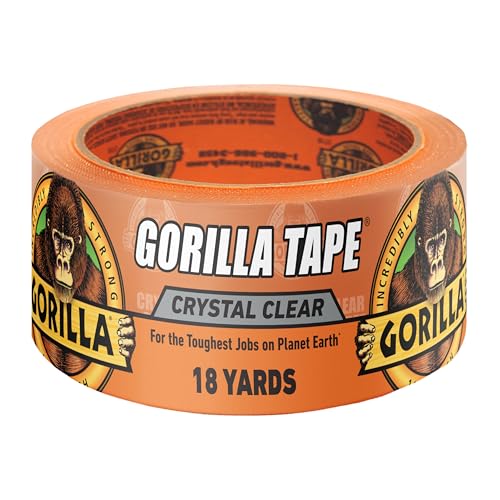
Gorilla Crystal Clear Tape, 1.88 in is the clear-backed alternative for rough-surface repairs where a less visually prominent strip is preferred. Its maker says it grips wood, stone, stucco, plaster and brick, and that the backing resists moisture, UV rays and temperature extremes. The 1.88-inch width is suitable for smaller repair strips than the 2.88-inch-wide duct tape option.
Concrete is not explicitly named, so this is a less direct surface match than T-REX Heavy Duty Duct Tape, 1.88 in. Its short 18-yard roll also provides less tape than the 25- and 30-yard repair rolls, making it a better fit for limited jobs than repeated long runs.
Bottom line: Pick it for a clear strip on rough materials when the job is limited in length.
How to choose tape for concrete
Choose by the job first: concrete repair calls for a tape intended to hold, while paint masking calls for painter’s tape designed to peel away. Concrete is porous and often dusty, so loose powder or grit at the bond line can undermine adhesion even when a tape is marketed for rough surfaces. Brush away loose material and let the area dry when the task allows; for a damp repair, choose only a tape whose maker explicitly supports that condition.
For these options, T-REX Heavy Duty Duct Tape, 1.88 in is the only one whose features explicitly name concrete. The other repair tapes mention similar materials such as brick, stone or stucco, which makes them related choices rather than equally direct matches. A practical rule: if the tape must hold a repair on concrete, prioritize an explicit concrete claim; if the task is painting, prioritize a masking tape’s removal guidance and test a short strip first.
Concrete repair tape versus painter’s tape
Repair tape and painter’s tape solve different problems: repair tape prioritizes holding and weather resistance, while painter’s tape prioritizes a controlled paint edge and removal. The repair options here have wider rolls—1.88 or 2.88 inches—and their makers emphasize reinforced backing or heavy-duty adhesive. The painter’s tape is 1.41 inches wide and gives a specific peel angle and wait time before painting.
Use a repair tape when the strip needs to stay in place, and do not assume a strong adhesive will lift cleanly from a finished concrete coating. Use painter’s tape to define a boundary, but avoid stretching it around corners, since tension can encourage lifting. Before coating a large area, check that the tape’s edge is firmly seated and that paint is not pooling along it.
Preparing concrete for a tape bond
Clean, dry concrete is the safer starting point for most tape applications because dust and moisture can weaken contact between adhesive and surface. Remove loose grit with a brush and allow damp concrete to dry when the repair does not require wet-surface application. Roughness, porosity and coatings vary, so a short test strip can reveal edge lift or surface damage before a longer application.
Press tape down along its full length rather than bridging pits or cracks, where an unsupported section can peel. For paint masking, press the edge especially carefully and remove the tape slowly at the maker’s recommended angle. If the concrete has a coating or delicate finish, test an inconspicuous spot first; strong repair adhesives may not release like painter’s tape.
Frequently Asked Questions
Can duct tape stick to concrete?
Some duct tapes are intended for rough surfaces, but the maker’s surface examples matter. Among these options, only T-REX Heavy Duty Duct Tape, 1.88 in explicitly names concrete and says it adheres to wet, rough or dirty surfaces.
Should concrete be dry before taping?
Dry, clean concrete is the safer starting point for most tape bonds because dust and moisture can interfere with adhesive contact. Use a wet-surface claim only when the tape maker expressly supports that condition.
Is painter’s tape suitable for concrete?
Painter’s tape can be useful for masking, but it is not interchangeable with a repair tape. This painter’s tape gives a 30-to-60-minute set time before painting and recommends peeling at a 45-degree angle.
How do you remove tape from concrete?
Peel slowly and avoid yanking, especially on coated or finished concrete. For painter’s tape in this comparison, the maker recommends pulling it back on itself at a 45-degree angle.
Why does tape lift from rough concrete?
Loose dust, moisture and an uneven bond line can all reduce adhesive contact. Brush away loose grit, press tape along its full length and test a short strip before committing to a long application.