
Food-Safe Glue for Plastic: 5 Adhesives Compared

RTV 4500 Silicone Sealant, Clear is the closest match for food-contact sealing because it is explicitly described as food-contact safe and bonds to most surfaces, but it is a silicone sealant rather than a rigid plastic-repair glue. Choose a CA adhesive for a small rigid bond instead, and verify food-contact suitability for the exact cured use before any contact with food.
Food-safe adhesives are not interchangeable: a sealant makes a flexible joint, while cyanoacrylate (CA) glue sets as a hard bond. None of the products names a plastic type it is compatible with.
We earn a commission if you buy through links on this page. As an Amazon Associate I earn from qualifying purchases. Products are compared on manufacturer specifications, not hands-on testing.
- Best overall: RTV 4500 Silicone Sealant, Clear – The only product explicitly identified as food-contact safe and as a silicone sealant for sealing or gasket-making.
- Best for controlled CA application: Food-Safe Medium-Thick CA Glue, 30 g – A medium-thick formula with a 10–45-second repositioning window.
- Best for ceramic repair: Ceramic Super Glue, Thick CA, 1 oz – A thick CA glue with a 30–60-second dry time and 24-hour full cure.
| Product | Best for | Adhesive type | Container size | Cure or set time | Shop |
|---|---|---|---|---|---|
| RTV 4500 Silicone Sealant, Clear | Food-contact sealing | Silicone sealant | 2.8 fl oz | Self-curing; time not given | Check Price on Amazon |
| Food-Safe Medium-Thick CA Glue, 30 g | Precise CA bonding | Cyanoacrylate glue | 1.06 oz | 10–45 sec repositioning | Check Price on Amazon |
| Ceramic Super Glue, Thick CA, 1 oz | Ceramic and CA repair | Cyanoacrylate glue | 1 oz | 30–60 sec dry; 24 hr cure | Check Price on Amazon |
| Food Safe Ceramic Glue | Ceramic dish repair | Glue; type not given | — | — | Check Price on Amazon |
| All-Purpose Super Glue Gel, 50 g | Gel household repairs | Super glue gel | 1.76 oz | Handling durability in seconds | Check Price on Amazon |
Food-Safe Glue for Plastic Compared
Match the adhesive to the joint: flexible silicone sealant and rigid CA glue serve different repair needs.
RTV 4500 Silicone Sealant, Clear
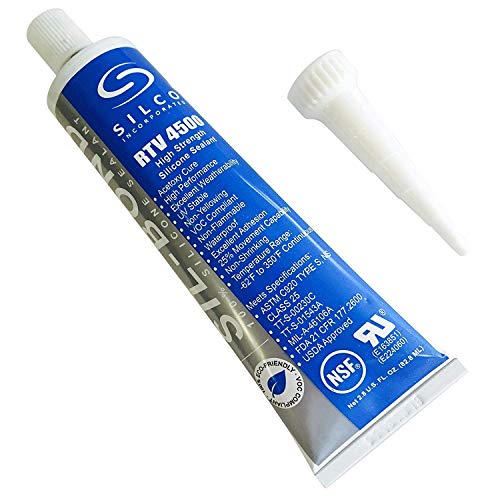
RTV 4500 Silicone Sealant, Clear stands apart as a food-contact-safe silicone sealant, not a conventional rigid plastic adhesive. Its 2.8-ounce clear tube is intended for sealing or creating gaskets, and the product claims resistance to weather and temperatures up to 350°F. That flexible-sealant role makes it the closest fit when the repair is a seam or gasket rather than a snapped plastic part.
Bottom line: Choose it for a food-contact sealing or gasket job, not a rigid crack repair.
Food-Safe Medium-Thick CA Glue, 30 g

Food-Safe Medium-Thick CA Glue, 30 g differs from the silicone option by using medium-thick cyanoacrylate with a controlled flow, making it better suited to small rigid bonds than to flexible seams. The product claims a 10–45-second repositioning window and says it can hold within a minute; six microtips are mentioned in its features. Its title identifies it as food-safe, but the maker does not define conditions for food contact or name a plastic type. Treat it as a precision adhesive, and verify compatibility and safe use for the exact plastic and contact scenario.
Bottom line: Pick it for precise, small CA repairs when a rigid bond suits the joint.
Ceramic Super Glue, Thick CA, 1 oz

Ceramic Super Glue, Thick CA, 1 oz is positioned primarily for ceramic, glass, pottery, and porcelain repairs, making its food-safe plastic claim a secondary fit for this search. The product says it dries in 30–60 seconds and fully cures within 24 hours, and it describes the cured bond as waterproof and heat resistant. Those claims do not establish which plastics it bonds or whether every repaired surface can safely touch food. Its specialty is hard-surface repair, so choose another adhesive when a flexible seal is needed.
Bottom line: Choose it for ceramic-led repairs where a thick CA bond is appropriate.
Food Safe Ceramic Glue

Food Safe Ceramic Glue is framed as a food-safe adhesive kit for mugs, dishes, porcelain, pottery, and china, with plastic included among its possible bonding materials. That broader material list is the reason it is relevant to plastic, but its central purpose is ceramic repair. Use it only after confirming that the particular plastic and intended food-contact conditions are suitable.
Bottom line: Consider it for ceramic repairs that also involve plastic, after checking the intended use.
All-Purpose Super Glue Gel, 50 g
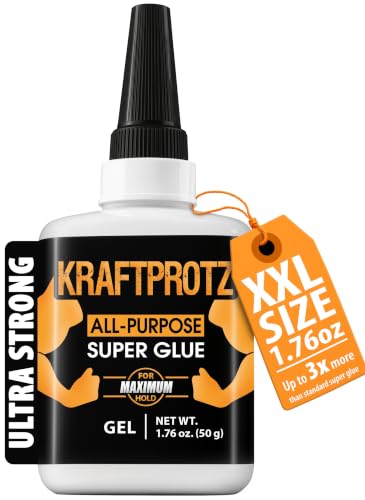
All-Purpose Super Glue Gel, 50 g differs from the food-contact-focused choices because its features emphasize an all-purpose gel for repairs on plastic, wood, glass, and metal, without identifying it as food-safe. The 50-gram container and anti-clog precision tip suit repeated general repair jobs, and the product claims rapid handling durability in seconds with a clear finish. That breadth does not make it a food-safe choice: the input gives no food-contact claim. Keep it to non-food-contact plastic repairs unless its suitability for the intended use is confirmed.
Bottom line: Use it for general plastic repairs away from food-contact surfaces.
How to choose food-safe glue for plastic
Choose by the joint first: flexible seals need silicone, while rigid cracks generally call for a hard-setting adhesive. Plastic is a family of materials, not one universal bonding surface; polyethylene (PE) and polypropylene (PP) are especially difficult to bond with ordinary adhesives because of their low surface energy. ABS and polycarbonate are different plastics and may respond to different adhesive chemistries. The products here do not identify compatibility by plastic resin code, so check the molded recycling mark or manufacturer guidance before applying glue. For any food-contact repair, distinguish an adhesive described as food-safe from a documented suitability for the exact cured joint, temperature, and contact duration.
Food contact and plastic compatibility
Food-contact suitability applies to a defined material and use condition, not simply to a glue label. In the United States, FDA food-contact rules are tied to the specific substance and conditions of use; temperature, food type, and repeated or single-use contact can matter. A claim of food-safe alone does not tell you whether the adhesive is suitable inside a cup, on an exterior seam, or for dishwasher exposure. Follow resin identification where available: codes 2 (HDPE), 4 (LDPE), and 5 (PP) indicate distinct resins, not automatic adhesive compatibility. Before buying, confirm the cured adhesive is appropriate for both the particular plastic and the exact food-contact location.
Sealant versus instant glue
Silicone sealant and cyanoacrylate solve different repair problems. Silicone cures into a flexible seal suited to gaps and gasket-like joints; CA glue is usually chosen for close-fitting, rigid surfaces and small bonds. A practical rule is to choose sealant when the joint must flex or fill a seam, and a rigid adhesive when two clean, closely aligned edges must stay together. Neither category automatically bonds every plastic: PE and PP commonly require a specialized adhesive or surface treatment, while the correct option for other resins depends on their chemistry. Avoid substituting a hard adhesive for a moving seal, or sealant for a structural snapped-part repair.
| Repair need | Adhesive approach | Key check |
|---|---|---|
| Gap or gasket seam | Flexible silicone sealant | Food-contact conditions and plastic resin |
| Small, close-fitting rigid crack | Cyanoacrylate adhesive | Plastic compatibility and full cure |
| PE or PP surface | Specialty plastic adhesive may be required | Resin code and adhesive instructions |
Preparing and curing a plastic repair
Clean, dry, close-fitting surfaces give adhesives a better chance of forming a reliable bond; grease, dust, and flexing during cure can undermine a repair. Test fit the pieces before applying adhesive, because many instant glues have little working time once the parts are joined. The CA options describe distinct timing: one allows repositioning for 10–45 seconds, while another says to allow 24 hours for full cure. Keep adhesives away from skin and eyes, use ventilation, and keep products out of children’s reach. For a food-contact item, do not return it to service until the adhesive has fully cured and its suitability for that specific use is confirmed.
Frequently Asked Questions
Can super glue bond polyethylene plastic?
Ordinary cyanoacrylate often bonds polyethylene poorly because PE has a low-energy surface. Check for an adhesive specifically compatible with PE; do not assume a broad plastic claim covers it.
How long should CA glue cure before use?
Allow the full cure time specified for the adhesive, not just its initial set. One product here gives a 24-hour full-cure claim, and food-contact use also requires confirmation for the cured adhesive and intended conditions.
Can a glued plastic mug go in a dishwasher?
Do not assume a repaired mug is dishwasher-safe because the glue is waterproof. Dishwasher heat and repeated hot-water exposure can stress the joint; use it only when the adhesive is cleared for that temperature and food-contact condition.
What does a plastic recycling number tell me?
A resin code identifies the plastic family, such as 2 for HDPE, 4 for LDPE, or 5 for polypropylene. It helps narrow adhesive compatibility but does not certify that a particular glue will bond or be food-safe.