
Waterproof Glue for Metal: 4 Options Compared

For most waterproof metal repairs that need a clear, gap-filling bond, Gorilla Max Strength Construction Adhesive, 7 oz is the best match because its maker says it bonds metal and works on wet surfaces, even under water. Choose a different option if you need a smaller tube, an expanding polyurethane glue, or a flexible craft adhesive.
Waterproof adhesives bond metal to itself or other materials, but the right choice depends on whether the joint is rigid, flexible, visible, or exposed to water.
We earn a commission if you buy through links on this page. As an Amazon Associate I earn from qualifying purchases. Products are compared on manufacturer specifications, not hands-on testing.
- Best overall: Gorilla Max Strength Construction Adhesive, 7 oz – The maker says this clear, gap-filling construction adhesive bonds metal and works on wet surfaces, including under water.
- Best for small fixes: Gorilla Max Strength Construction Adhesive, 2.5 oz – Its 2.5-ounce size suits touch-ups, and the maker describes it as waterproof and gap-filling.
- Best for dissimilar surfaces: Gorilla Original Polyurethane Glue, 2 oz – This polyurethane glue is waterproof and expands as it bonds a range of materials.
- Best for flexible bonds: E6000 Plus Multipurpose Adhesive, 1.9 fl oz – The maker describes this clear adhesive as flexible, waterproof, and UV resistant.
| Product | Best for | Size | Color | Shop |
|---|---|---|---|---|
| Gorilla Max Strength Construction Adhesive, 7 oz | Gap filling | 7 oz | Clear | Check Price on Amazon |
| Gorilla Max Strength Construction Adhesive, 2.5 oz | Small touch-ups | 2.5 oz | Clear | Check Price on Amazon |
| Gorilla Original Polyurethane Glue, 2 oz | Dissimilar materials | 2 oz | Brown | Check Price on Amazon |
| E6000 Plus Multipurpose Adhesive, 1.9 fl oz | Flexible bonds | 1.9 fl oz | Clear | Check Price on Amazon |
Waterproof Glue for Metal Compared
Compare the adhesive type, finish, and intended repair before choosing a waterproof metal glue.
Gorilla Max Strength Construction Adhesive, 7 oz
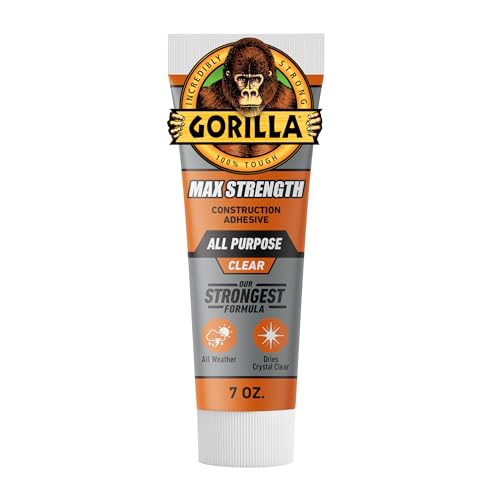
Unlike a rigid repair epoxy, this construction adhesive is a clear, gap-filling option for bonding metal with other surfaces. The maker says it bonds metal and works on wet surfaces, including under water, and gives up to 30 minutes of working time for repositioning. Its 7-ounce tube is the largest size among these options. It is also paintable after 2 hours and sandable once cured, according to the maker. The limitation is that construction adhesive is not the most targeted choice for a small, rigid metal-to-metal repair; choose an epoxy for that job.
Bottom line: Choose it for larger, visible joints where gap filling and a clear finish matter.
Gorilla Max Strength Construction Adhesive, 2.5 oz

This smaller tube provides the same broad construction-adhesive role as Gorilla Max Strength Construction Adhesive, 7 oz in a format suited to short beads or localized touch-ups. The maker says the formula is waterproof, gap-filling, paintable, and bonds metal, glass, tile, stone, and drywall. Its clear finish can help when a visible joint should draw less attention. The 2.5-ounce size is a limitation for long seams or multiple larger projects, where frequent replenishment may interrupt work. As with any adhesive joint, prepare the metal carefully and allow the bond to cure before exposing it to demanding conditions.
Bottom line: Pick it for modest repairs where a clear, multipurpose adhesive is more useful than a large tube.
Gorilla Original Polyurethane Glue, 2 oz

This option differs from the clear construction adhesives by using a brown polyurethane formula that expands as it bonds. The maker says it is waterproof and suitable for indoor and outdoor repairs across materials including metal, wood, stone, glass, and ceramic. That broad material range can suit a repair joining dissimilar surfaces, but expansion makes careful clamping and controlled application important to avoid an untidy squeeze-out. The 2-ounce bottle is compact for a limited repair, not an efficient format for a lengthy joint. Its brown color also matters when the bond remains visible.
Bottom line: Choose it when a waterproof bond between dissimilar materials matters more than a clear appearance.
E6000 Plus Multipurpose Adhesive, 1.9 fl oz

Unlike the gap-filling construction adhesives, this clear polymer adhesive is described by its maker as flexible, waterproof, and UV resistant. The material range includes metal, fabric, glass, ceramic, wood, and fiberglass, making it a candidate when a repair involves varied substrates or some movement. The maker also says it is paintable and washer- and dryer-safe. Those claims do not establish that every metal joint or water exposure is suitable, so match the adhesive to the actual substrates and conditions. Its 1.9-fluid-ounce package is aimed at smaller jobs rather than extensive bonding.
Bottom line: Pick it when a clear, flexible waterproof bond is more important than a rigid repair.
How to choose waterproof glue for metal
Choose by joint movement, gap size, appearance, and water exposure rather than by the word waterproof alone. Rigid metal-to-metal breaks generally call for a rigid repair adhesive, while flexible materials or joints that move call for a flexible adhesive. A gap-filling construction adhesive can accommodate uneven contact better than a thin adhesive layer, but it may not be the right tool for a precision repair. If the bond will be visible, account for cured color and squeeze-out before applying. For any metal repair, clean off oil and dirt, then lightly abrade the bonding area with 80- to 120-grit abrasive and remove the dust. Do not load or submerge a new bond until it has cured as directed by its maker.
Preparing metal for a waterproof bond
Surface preparation often decides whether glue adheres to metal: oil, oxide, paint, and loose corrosion can separate adhesive from the underlying surface. Degrease the joint, remove loose rust or flaking coating, and abrade clean metal lightly; wipe away residue before bonding. Avoid touching the prepared area with bare fingers, which can transfer skin oils. Keep the joint aligned and supported while the adhesive cures. A common mistake is applying a thick bead to dirty metal and expecting the adhesive to bridge contamination; gap filling does not replace cleaning or surface contact. If a metal part is load-bearing, safety-critical, or exposed to pressure, use a mechanical repair or qualified repair method rather than relying on an unspecified glue bond.
Waterproof adhesive types for metal
Waterproof glue is not one single chemistry, and the type changes how the joint behaves. Construction adhesive is typically chosen for broad surface bonding and filling small gaps; polyurethane adhesive can expand during cure; flexible polymer adhesives can accommodate some movement. Rigid epoxies are commonly used for localized repairs where a firm, shaped bond is wanted, but waterproof performance must be verified for the particular formula. The table provides a practical starting point, not a guarantee of compatibility; match the adhesive’s substrates and cure requirements to your repair.
| Repair need | Type to consider | Key tradeoff |
|---|---|---|
| Uneven joint or broad bond | Construction adhesive | Can fill gaps; may be bulky |
| Dissimilar materials | Polyurethane adhesive | Can expand and show squeeze-out |
| Joint movement | Flexible polymer adhesive | Not intended for every rigid repair |
| Rigid localized repair | Metal repair epoxy | Check water suitability separately |
Using glue around water safely
Water resistance after curing is different from suitability for application on a wet surface or underwater. Use a product that specifically claims the water condition your project requires, and keep the bonded parts still during cure. For a submerged repair, verify that the adhesive is intended for underwater use and for the specific metal and service conditions; ordinary waterproof wording may only address cured exposure. Water can also hide a failing joint, so do not depend on adhesive alone for plumbing under pressure, lifting, or other hazardous loads. For routine outdoor use, account for temperature changes and movement, which can stress a rigid bond even when water does not dissolve it.
Frequently Asked Questions
Can waterproof glue bond metal while it is wet?
Some formulas claim wet-surface or underwater bonding, but that does not apply to every waterproof adhesive. Use only a product whose maker explicitly covers the wet condition, and keep other surfaces clean and prepared.
How should metal be cleaned before gluing?
Remove oil, dirt, loose rust, and flaking paint, then lightly abrade clean metal with 80- to 120-grit abrasive and remove dust. Avoid touching the prepared area before applying adhesive.
Will waterproof metal glue hold a moving joint?
A flexible adhesive is generally better suited to a joint that moves than a rigid repair adhesive. Choose based on whether the substrates flex or shift, and do not assume waterproof means flexible.
Can glued metal parts go underwater immediately?
No; allow the adhesive to reach its required cure before immersion. Curing time varies by formula and conditions, so verify the cure requirements for the exact product.