
Bed Head Shampoo: 3 Formulas Compared by Hair Needs

For most shoppers seeking Bed Head shampoo, Bed Head Recovery Moisturizing Shampoo is the clearest fit because it is a sulphate-free shampoo made for dry, damaged, and brittle hair.
We earn a commission if you buy through links on this page. As an Amazon Associate I earn from qualifying purchases. Products are compared on manufacturer specifications, not hands-on testing.
- Best overall: Bed Head Recovery Moisturizing Shampoo – Its sulphate-free formula is designed for dry, damaged, and brittle hair.
- Best for daily men’s use: TIGI Bed Head Clean Up Daily Shampoo for Men – The 8.45-ounce shampoo is specifically positioned for daily cleansing.
- Best for damaged hair: Bed Head Resurrection Shampoo and Conditioner Set – The level 3 repair set pairs shampoo and conditioner for dry, damaged hair.
| Product | Best for | Format | Hair need | Size | Shop |
|---|---|---|---|---|---|
| Bed Head Recovery Moisturizing Shampoo | Dry brittle hair | Shampoo | Dry, damaged hair | 25.4 oz | Check Price on Amazon |
| TIGI Bed Head Clean Up Daily Shampoo for Men | Men’s daily wash | Shampoo | Daily cleansing | 8.45 oz | Check Price on Amazon |
| Bed Head Resurrection Shampoo and Conditioner Set | Damaged hair set | Shampoo + conditioner | Dry, damaged hair | 25.36 fl oz | Check Price on Amazon |
Bed Head Shampoo Options
Compare the shampoo formats and intended hair needs before choosing a formula.
Bed Head Recovery Moisturizing Shampoo

For a standalone shampoo aimed at dry, damaged, and brittle hair, this sulphate-free Recovery formula is the most direct match. Bed Head says its keratin and protein boosters help strengthen fragile strands, while its conditioning barrier locks in moisture and smooths frizz. The 25.4-ounce bottle is a larger single-shampoo format than the 8.45-ounce daily cleanser. It suits shoppers who want a moisturizing wash rather than a paired treatment set. Its hair focus is dryness and damage, so shoppers choosing primarily for oily roots may prefer a clarifying-oriented option.
Bottom line: Choose this if dry, damaged hair and a sulphate-free wash are your priorities.
TIGI Bed Head Clean Up Daily Shampoo for Men
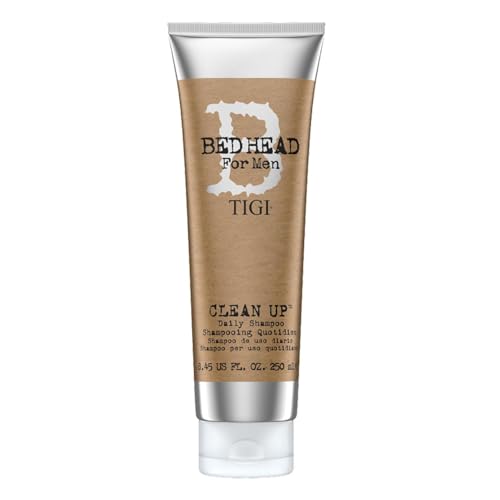
Unlike the larger repair-focused options, Clean Up is an 8.45-ounce daily shampoo specifically marketed for men. Its feature copy highlights cleansing and an invigorating scalp feel from menthol, with sunflower seed and lemongrass extracts also named. That makes it the straightforward choice for someone seeking a compact everyday wash rather than a dry-hair treatment or shampoo-and-conditioner bundle. Its smaller bottle may be less convenient for anyone seeking a larger supply.
Bottom line: Pick this for a men’s daily shampoo in a smaller bottle.
Bed Head Resurrection Shampoo and Conditioner Set

This option differs from the standalone shampoos by pairing Resurrection shampoo with conditioner in a repair-oriented set. Bed Head calls it a maximum-strength, level 3 formula for dry, damaged, weak, or brittle hair, and names amodimethicone, behentrimonium chloride, and resurrection plant extract in the formula. The set suits shoppers who want a coordinated wash-and-condition routine rather than shampoo alone. Because it is a two-product format, it is not the simplest pick for someone who only needs a cleansing bottle or is choosing primarily for oily-root clarification.
Bottom line: Choose the set if you want both shampoo and conditioner for damaged hair.
How to choose a Bed Head shampoo
Start with the hair need printed in each formula’s intended use: daily cleansing, dryness and damage, or oil and buildup. Shampoo cleans the scalp and roots; conditioner is generally applied through the lengths, where friction and dryness are more noticeable. A paired shampoo-and-conditioner set therefore differs from a single bottle even when both are described as repair products. If your roots get oily quickly but your ends feel dry, concentrate shampoo at the scalp and conditioner on the lengths rather than expecting one formula to address both areas equally. Choose a formula by the problem you want to prioritize, then consider whether you want shampoo alone or a coordinated set.
Shampoo versus shampoo-and-conditioner sets
A standalone shampoo is the simpler format when you already have a conditioner that works for you; a set bundles two separate steps. Conditioner is not a substitute for shampoo: it is usually used after washing and focused on the mid-lengths and ends. For an oily scalp, avoid coating the roots with a rich conditioner, since product residue can make hair feel weighed down. For dry or brittle lengths, conditioning the ends can reduce friction during combing. This distinction matters when comparing a cleansing-focused duo with repair sets. The key decision is whether your routine needs only a wash or a wash plus a separate conditioning step.
What sulphate-free means for shampoo choice
Sulphate-free describes the cleanser formulation, not a guarantee that a shampoo will be gentler for every scalp or clean every hair type equally. A moisturizing shampoo can suit dry or brittle hair, while a clarifying-focused formula is aimed at removing oil and buildup. Product buildup can come from styling products, dry shampoo, and residue from conditioners; a cleansing-focused wash may be useful when hair feels coated. Avoid assuming that a sulphate-free formula is automatically color-safe or suitable for a scalp condition unless its packaging specifically supports that use. For the Recovery shampoo, the specifications specifically identify it as sulphate-free and intended for dry, damaged, and brittle hair.
How to use shampoo and conditioner together
Wet hair thoroughly before applying shampoo, then work the lather across the scalp and rinse well; the lengths receive cleansing as suds rinse through. When using a paired conditioner, distribute it through the lengths rather than directly onto oily roots. That timing is specific to that product, not a universal rule for every conditioner. Avoid piling on more shampoo to solve dry ends: repeated washing can leave lengths feeling rough, while conditioner placement and detangling technique affect how hair feels after rinsing.
Frequently Asked Questions
Can I use Bed Head shampoo every day?
The Clean Up formula is specifically marketed as a daily shampoo for men, but daily washing is not necessary for everyone. If your scalp feels dry or tight, try washing less often and adjust based on oil and product buildup.
What is a clarifying shampoo meant to remove?
Clarifying shampoos are intended to remove oil, dirt, and product buildup from hair and scalp. Styling products and dry shampoo can accumulate, so a buildup-focused wash can be useful when hair feels coated.
Should conditioner go on the scalp or ends?
Conditioner is generally best focused on the mid-lengths and ends, especially when roots become oily.
Is sulphate-free shampoo right for damaged hair?
Sulphate-free describes the cleanser formulation, while damaged hair may also benefit from conditioning. The Recovery shampoo is identified as sulphate-free and intended for dry, damaged, and brittle hair.
How can I wash oily roots with dry ends?
Concentrate shampoo on the scalp and roots, then apply conditioner mainly to the lengths and ends. This separates scalp cleansing from the moisture step and helps avoid weighing down oily roots.