
Best Automotive AC Line Insulation: 3 Options Compared

For most automotive AC line insulation needs, choose Auto AC Solutions Prestite Tacky Tape because its use is wrapping an expansion valve and sensor tube. Choose FJC 2862 A/C Insulation Tape instead when you need a 30-foot roll for insulating and sealing parts; XFasten Foam Pipe Insulation Tape is an HVAC-oriented pipe wrap, not an automotive-specific option.
We earn a commission if you buy through links on this page. As an Amazon Associate I earn from qualifying purchases. Products are compared on manufacturer specifications, not hands-on testing.
- Best overall: Auto AC Solutions Prestite Tacky Tape – Its automotive use is wrapping an expansion valve and sensor tube.
- Best for longer runs: FJC 2862 A/C Insulation Tape – The roll is 30 feet long and is described for insulating and sealing parts.
- Best for flexible pipe wrapping: XFasten Foam Pipe Insulation Tape – The 2-inch-wide foam tape is described as stretchable for hard-to-reach bends, but is HVAC-oriented.
| Product | Best for | Intended application | Width | Length | Shop |
|---|---|---|---|---|---|
| Auto AC Solutions Prestite Tacky Tape | Valve and sensor tubes | Expansion valve and sensor tube | 2.25 in | 24 in | Check Price on Amazon |
| FJC 2862 A/C Insulation Tape | Longer sections | Insulating and sealing parts | — | 30 ft | Check Price on Amazon |
| XFasten Foam Pipe Insulation Tape | Flexible pipe wrap | HVAC pipe insulation | 2 in | 15 ft | Check Price on Amazon |
Automotive AC Line Insulation Options
Match the insulation to the component and wrap length before choosing a tape.
Auto AC Solutions Prestite Tacky Tape

Unlike the longer general-purpose roll, this tape is specifically described for wrapping an automotive AC expansion valve and sensor tube. The black tape measures 2.25 inches wide by 24 inches long, making it a targeted choice for those components rather than broad coverage of a long line. Choose it when the repair calls for a short wrap around a valve or sensor tube. Its limited length is the tradeoff: buyers insulating a longer section should choose a longer roll instead of expecting this piece to cover it.
Bottom line: Pick this for a targeted wrap around an expansion valve or sensor tube.
FJC 2862 A/C Insulation Tape
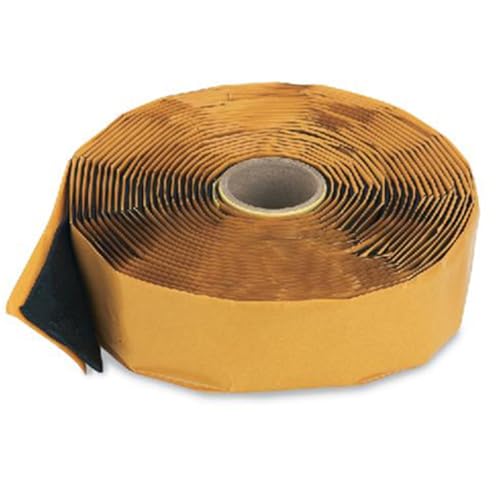
For a longer automotive AC wrap, this roll provides 30 feet, compared with the 24-inch piece of targeted tape. FJC describes it as insulating and sealing parts, protecting them from heat, and adhering to metal or rubber. That makes it the more flexible choice when the repair involves more than a small valve or sensor area. The tradeoff is less specific guidance on the exact automotive component than the shorter tape provides, so choose it when roll length matters and the material being wrapped is metal or rubber.
Bottom line: Choose this when you need more tape for insulating and sealing AC parts.
XFasten Foam Pipe Insulation Tape

This is a flexible foam pipe wrap aimed at HVAC lines rather than an automotive-specific AC repair. It measures 2 inches wide and 15 feet long, and its feature claims include stretching up to six times to handle bends and hard-to-reach areas. That flexibility may suit a buyer looking for a general pipe wrap, but the HVAC focus makes it a less direct match for automotive AC components than the auto-focused tapes. Choose it only when its pipe-wrap format suits the job and automotive compatibility is confirmed.
Bottom line: Consider this only for a pipe-wrap application after confirming automotive compatibility.
How to Choose Automotive AC Line Insulation
Choose insulation by the component and the amount of line to cover, not by width alone. Automotive AC systems use different line sections and components; insulation commonly helps limit heat gain and condensation on the low-pressure suction line, while a short wrap may be used around a valve or sensor tube. A 24-inch piece suits a localized wrap, while a 30-foot roll offers more length for multiple sections. As a practical rule, measure the component and intended wrap path first: if the path exceeds 24 inches, the short tape cannot cover it in one continuous pass. Do not assume a general HVAC pipe wrap is suitable for an automotive system; confirm compatibility before applying it.
Which AC Lines Need Insulation
In a typical automotive AC system, the larger low-pressure suction line is the line most often insulated to reduce heat pickup and surface condensation. The smaller high-pressure liquid line is generally left uninsulated; wrapping it without a system-specific reason can make inspection and service harder. Expansion valves and sensor tubes may call for a localized wrap, which is a different job from covering a long line. First identify the component and line before choosing tape. When a repair requires a valve or sensor wrap, use a material intended for that task; when it calls for suction-line coverage, select a compatible insulation product sized to the line and route.
Automotive Tape Versus HVAC Pipe Wrap
Automotive AC tapes and HVAC pipe wraps differ in their applications and formats. An auto-specific tape is the clearer match for a valve or sensor tube, while a foam pipe wrap is aimed at insulating HVAC piping. Use this guide to separate targeted automotive work from general line wrapping.
| Need | Better fit | Reason |
|---|---|---|
| Short valve or sensor wrap | Automotive AC tape | Stated use targets those components |
| More tape length for parts | Longer AC insulation roll | 30-foot roll length |
| Flexible HVAC pipe wrap | Foam pipe tape | Designed around pipe wrapping |
Do not transfer HVAC performance claims to automotive use. Confirm application compatibility before wrapping an automotive line.
Frequently Asked Questions
Which automotive AC line is usually insulated?
The larger low-pressure suction line is the line most commonly insulated to limit heat gain and condensation. The smaller high-pressure liquid line is generally left bare unless a repair procedure calls for otherwise.
Should I wrap the automotive AC liquid line?
Usually, the high-pressure liquid line is not insulated; the suction line is the one commonly insulated. Identify the line before wrapping, since confusing them can add unnecessary covering and complicate inspection.
How much tape do I need for an AC line?
Measure the wrap path before choosing a roll: a 24-inch piece covers less length than a 30-foot roll. Also account for the component’s circumference and overlap, since those reduce the length available along the line.
Can HVAC pipe insulation tape be used on a car AC line?
Not automatically; HVAC pipe tape is made for HVAC-oriented applications, which do not establish automotive compatibility. Confirm material suitability for the automotive line and its operating conditions before using it.