
GM Heater Hose Connector Removal Tools Compared by Fit

39190 GM Heater Hose Disconnect Tool is the closest match for removing a GM heater hose connector because it is designed for 3/4-inch heater lines and uses a hinged, aluminum-alloy body. Choose 39190 Tool with 800-409HP Connector if you also need a replacement connector, or Sun Walker 39190 Aluminum Tool if you want a standalone tool with a copper finish.
A heater hose quick-disconnect tool engages the fitting’s release mechanism so the hose can separate without prying at the connector.
We earn a commission if you buy through links on this page. As an Amazon Associate I earn from qualifying purchases. Products are compared on manufacturer specifications, not hands-on testing.
- Best overall: 39190 GM Heater Hose Disconnect Tool – Designed for GM 3/4-inch heater lines, with a hinged design for access in tight spaces.
- Best with replacement connector: 39190 Tool with 800-409HP Connector – Pairs a 39190 disconnect tool with an 800-409HP connector.
- Best copper-finish option: Sun Walker 39190 Aluminum Tool – A standalone 39190-style tool made from aluminum alloy.
| Product | Best for | Material | Included parts | Shop |
|---|---|---|---|---|
| 39190 GM Heater Hose Disconnect Tool | 3/4-inch GM lines | Aluminum alloy | Tool | Check Price on Amazon |
| 39190 Tool with 800-409HP Connector | Tool and connector | Aluminum alloy, stainless steel | Tool and connector | Check Price on Amazon |
| Sun Walker 39190 Aluminum Tool | Copper finish | Aluminum alloy | Tool | Check Price on Amazon |
GM Heater Hose Connector Removal Tools
Compare the line fit and included parts to choose the right tool for your repair.
39190 GM Heater Hose Disconnect Tool
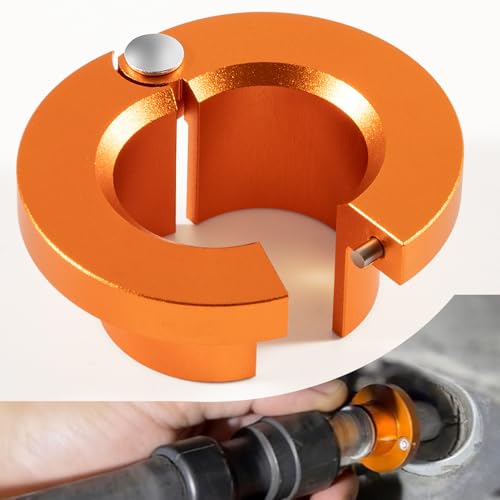
For a standalone tool built around GM 3/4-inch heater lines, this 39190 has a hinged design that slides over the hose and is intended to reach fittings in tight spaces. The tool is aluminum alloy and is described as corrosion resistant. To use it, place it at the line, slide it over the fitting, and pull to release the connection. It suits a repair where the existing connector is being reused. Its line fit is specific, so confirm the heater-line size on the vehicle before choosing it.
Bottom line: Choose this for a GM 3/4-inch heater-line disconnect when you do not need a replacement connector.
39190 Tool with 800-409HP Connector

This set differs from the standalone tools by including an 800-409HP heater-core coolant hose connector alongside a 39190 disconnect tool. The connector is described as compatible with some GM models and a 3/4-inch tube by 5/8-inch hose; the examples include several Cadillac, Chevrolet, and GMC models. The tool and connector use aluminum alloy and stainless steel. It suits a job that calls for replacing the connector as well as releasing it. Compatibility is model-specific, so verify the vehicle’s connector application before selecting the set.
Bottom line: Pick this set when the repair also calls for an 800-409HP replacement connector.
Sun Walker 39190 Aluminum Tool
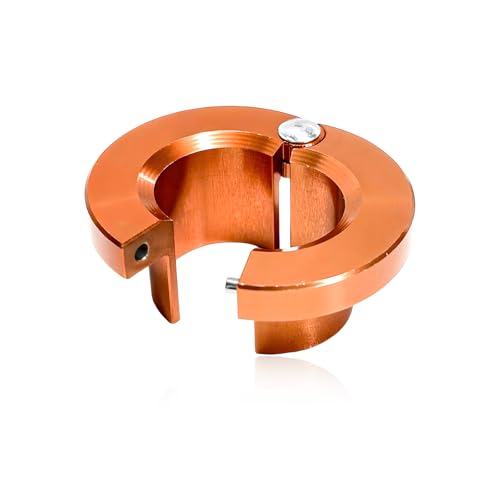
The Sun Walker 39190 is another standalone 3/4-inch heater-line quick-disconnect tool, distinguished here by its copper finish and stated aluminum-alloy construction. Its hinged body opens and closes to engage the fitting’s locking mechanism, and the maker describes it for disassembly and installation of heater hose quick couplings. That makes it a fit for someone replacing a connector or separating a coupling while keeping the hose. The text ends before giving a full use sequence, so use the tool only where the fitting and line size match its intended application.
Bottom line: Choose this standalone tool if you want the copper-finish 39190 option.
How to choose a GM heater hose removal tool
Match the tool to the heater-line connection before choosing by finish or material. These options target a 3/4-inch line; the combined set also pairs its tool with an 800-409HP connector identified for a 3/4-inch tube by 5/8-inch hose. The line measurement and connector dimensions describe different parts of the connection, so do not treat them as interchangeable. If the vehicle’s fitting does not match the quick-disconnect style, a release tool for that style will not be the right choice. For a repair that reuses the connector, a standalone tool is sufficient; if replacing the connector too, choose a set that includes the needed part and confirm its vehicle application.
How heater hose quick disconnect tools work
A quick-disconnect tool presses or moves the fitting’s retainer so the hose can pull free without levering against the connector. Hinged tools open around an installed hose, then slide over the fitting; this is useful where a straight tool has little room to approach. Keep the tool square to the connection and release the retainer before pulling the hose, since twisting or prying can damage a plastic fitting or hose end. Work only on a fully cool engine: coolant can remain hot and pressurized after shutdown. Catch spilled coolant and keep it away from children and pets, because antifreeze can be poisonous.
Fitting size and compatibility checks
Check the actual heater-line and connector dimensions, not just the vehicle make, before selecting a removal tool. A 3/4-inch line specification does not by itself confirm that every model year or engine uses the same connector. The combined set names selected Cadillac, Chevrolet, and GMC applications, but its fit is not universal across those makes. Compare the fitting shape and line size with the vehicle’s existing connection, and confirm the replacement connector’s tube and hose dimensions if replacing it. A mismatch can leave the retainer inaccessible or make the replacement connection unsuitable, even when a tool’s nominal line size appears right.
Safe removal and common mistakes
Remove a heater hose only after the engine and cooling system are cool; hot coolant can spray and cause burns. Place a drain pan below the connection and use eye protection, because residual coolant may spill when the joint separates. The common mistake is pulling before the release collar or retainer is fully disengaged. Seat the tool evenly at the fitting, release the lock, then ease the hose away; stop if the connector distorts or the tool slips. Avoid metal prying against a plastic fitting. After separation, inspect the hose end and connector for cracks or damage before reconnecting.
Frequently Asked Questions
Can a 3/4-inch tool fit every GM heater hose connector?
No; the 3/4-inch measurement is only one compatibility check. Connector style and vehicle application also matter, so compare the actual fitting and verify the application before removing or replacing a connector.
Should the engine be cool before removing a heater hose?
Yes, let the engine and cooling system cool fully first. Hot coolant can remain pressurized and cause burns when the hose connection opens.
What does 3/4-inch tube by 5/8-inch hose mean?
The dimensions refer to different sides of the connector: a 3/4-inch tube connection and a 5/8-inch hose connection. Check both sides when confirming a replacement connector’s fit.
How do I avoid damaging a quick-connect fitting?
Engage the release mechanism fully before pulling the hose, and keep the tool aligned with the fitting. Do not pry against a plastic connector; stop if the fitting begins to bend or crack.