
Dr. Glow Toothpaste: 3 Formulas Compared by Need

Dr. Glow Gum Repair Toothpaste is the most targeted choice for gum concerns because its formula is described as addressing gingivitis and periodontal issues. Choose Dr. Glow Adult Cavity Repair Toothpaste for adult cavity-focused care or Dr. Glow Senior Gingivitis Toothpaste for its senior-focused positioning; toothpaste cannot replace an exam or treatment from a dental professional.
These are three different Dr. Glow toothpaste formulas, each in a 3.52-ounce tube. Their uses and fluoride information differ, so match the formula to your concern rather than assuming the products are interchangeable.
We earn a commission if you buy through links on this page. As an Amazon Associate I earn from qualifying purchases. Products are compared on manufacturer specifications, not hands-on testing.
- Best overall: Dr. Glow Gum Repair Toothpaste – Its focus is gum concerns, including bleeding and sensitivity.
- Best for adult cavity care: Dr. Glow Adult Cavity Repair Toothpaste – It is an adult formula featuring hydroxyapatite and is explicitly fluoride-free.
- Best for senior-focused care: Dr. Glow Senior Gingivitis Toothpaste – It is positioned for older and middle-aged users and includes hydroxyapatite.
| Product | Best for | Intended focus | Fluoride | Shop |
|---|---|---|---|---|
| Dr. Glow Gum Repair Toothpaste | Gum concerns | Gum-focused care | — | Check Price on Amazon |
| Dr. Glow Adult Cavity Repair Toothpaste | Adult cavity care | Adult cavity care | Fluoride-free | Check Price on Amazon |
| Dr. Glow Senior Gingivitis Toothpaste | Senior-focused care | Senior-focused gum care | Fluoride-free | Check Price on Amazon |
Dr. Glow Toothpaste Formulas
Compare each formula’s purpose and fluoride information before choosing.
Dr. Glow Gum Repair Toothpaste

Dr. Glow Gum Repair Toothpaste is the gum-focused formula in this group, with a focus on gingivitis, plaque, and gum discomfort. The tube contains 3.52 ounces. The maker says the toothpaste targets gum concerns including swelling, sensitivity, and bleeding; those are product claims, not a substitute for a dental diagnosis. Persistent bleeding, loose teeth, or receding gums warrant professional dental evaluation rather than relying on toothpaste alone.
Bottom line: Choose this if gum concerns are your main reason for comparing the formulas.
Dr. Glow Adult Cavity Repair Toothpaste

Dr. Glow Adult Cavity Repair Toothpaste is the adult cavity-focused option and the only formula here whose product name explicitly identifies it as fluoride-free. Its active approach centers on hydroxyapatite, a mineral found in tooth enamel and dentin. The maker describes it as intended for cavity and sensitivity concerns, but toothpaste should not be treated as a way to diagnose or repair a cavity without dental care. The 3.52-ounce tube suits adults looking specifically for this fluoride-free approach; people seeking fluoride toothpaste should select a formula that clearly identifies its fluoride content instead.
Bottom line: Choose this if you want an adult, fluoride-free hydroxyapatite formula.
Dr. Glow Senior Gingivitis Toothpaste
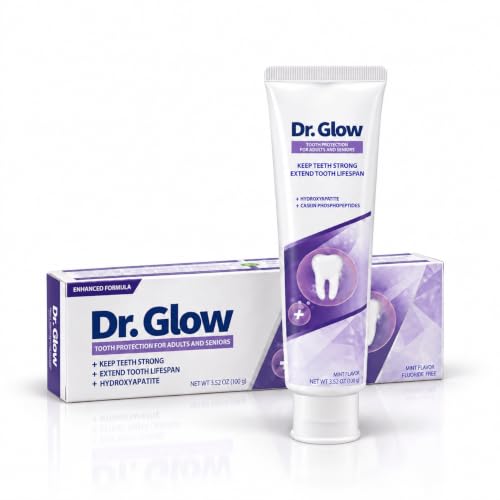
It is also explicitly fluoride-free, and its 3.52-ounce tube matches the other options in size. The maker describes ingredients including glycine, vitamin B, clove oil, and basil oil as part of its gum-care approach. This positioning may suit someone comparing senior-focused formulas, but a toothpaste cannot restore lost gum tissue or replace care for periodontal disease.
Bottom line: Choose this if senior-focused positioning and a fluoride-free formula are priorities.
How to choose a Dr. Glow toothpaste
Choose by the concern and by whether you want fluoride, not by a promise to reverse disease. Dr. Glow Gum Repair Toothpaste is presented for gum concerns; Dr. Glow Adult Cavity Repair Toothpaste is an adult cavity-focused formula; Dr. Glow Senior Gingivitis Toothpaste is positioned for older and middle-aged users. The latter two are explicitly fluoride-free, while the fields do not establish fluoride content for Dr. Glow Gum Repair Toothpaste. For cavity prevention, the American Dental Association recommends brushing twice daily with fluoride toothpaste; adult toothpastes commonly contain 1,000 to 1,500 parts per million fluoride. If you need fluoride, confirm the exact ingredient label before buying, especially when choosing a formula whose fluoride status is unclear. A cavity, persistent gum bleeding, or loose tooth needs assessment by a dentist, not a toothpaste-only plan.
What fluoride-free toothpaste means
Fluoride-free means the formula does not provide fluoride; it does not mean that a cavity can be diagnosed or repaired at home. Fluoride toothpaste remains a standard option for reducing tooth decay risk, and brushing twice a day for two minutes helps remove plaque from tooth surfaces. Hydroxyapatite is a mineral component of enamel and dentin, and the two fluoride-free formulas here feature it, but ingredient presence alone does not establish that a product will reverse a cavity. Anyone with a visible dark spot, ongoing tooth pain, or sensitivity that lasts after the trigger stops should arrange a dental exam. Do not postpone care while waiting for a toothpaste to change a suspected cavity.
When gum symptoms need dental care
Bleeding during brushing, persistent swelling, gum recession, and loose teeth are reasons to seek a dental evaluation, particularly when symptoms recur or worsen. Gum disease can involve tissues and supporting bone below the visible gumline; a toothpaste cannot remove hardened calculus below the gumline or replace professional periodontal treatment. Brushing gently twice daily and cleaning between teeth each day are practical home-care steps, but avoid scrubbing harder to compensate for bleeding. A loose tooth or worsening swelling calls for prompt professional attention. The gum-focused formulas are marketed for these concerns, but their purpose should not be confused with proof that they can treat periodontal disease.
How to compare the three formulas
The clearest differences are intended audience and stated fluoride status, while every tube is 3.52 ounces. Use this chart as a screening rule: choose the row matching your primary concern, then verify the actual ingredient label if fluoride matters to you. The fluoride status of Dr. Glow Gum Repair Toothpaste is not established by the specifications, so do not infer it from its gum-care positioning. For someone seeking cavity prevention, fluoride presence is a meaningful selection criterion; for gum symptoms, diagnosis and care from a dentist matter more than a product’s repair wording. All three remain toothpastes, not stand-alone treatments for diagnosed dental disease.
| Need or preference | Formula match | Decision point |
|---|---|---|
| Gum-focused use | Dr. Glow Gum Repair Toothpaste | Confirm fluoride status if needed |
| Adult cavity focus, fluoride-free | Dr. Glow Adult Cavity Repair Toothpaste | Dental exam for suspected cavities |
| Senior-focused gum care, fluoride-free | Dr. Glow Senior Gingivitis Toothpaste | Dental assessment for persistent symptoms |
Frequently Asked Questions
How often should adults brush with toothpaste?
Adults should brush twice daily for two minutes, cleaning all tooth surfaces. Use a soft-bristled brush and avoid aggressive scrubbing, which can irritate gums.
Can toothpaste reverse an existing cavity?
A toothpaste should not be relied on to reverse a diagnosed cavity. A dentist must assess the tooth; a dark spot or persistent toothache is a reason to arrange an exam.
Is fluoride-free toothpaste a cavity-prevention option?
Fluoride-free toothpaste contains no fluoride, while fluoride toothpaste is a standard cavity-prevention choice. Adults who want fluoride should check the ingredient label and fluoride concentration rather than assume it is present.
When should bleeding gums be checked by a dentist?
Arrange a dental evaluation when gum bleeding persists or recurs, especially with swelling, recession, or a loose tooth. Toothpaste cannot remove hardened calculus below the gumline or diagnose periodontal disease.
How much toothpaste should an adult use?
A pea-sized amount is sufficient for an adult brushing. Brush for two minutes twice daily and spit out the toothpaste rather than swallowing it.