
Non-Toxic Glue for Plastic: 5 Options Compared

For plastic models made from polystyrene or ABS, Testors Non-Toxic Plastic Cement is the closest match because it is a non-toxic plastic cement made for those materials. Choose another formula for general crafts, food-contact claims, or a different adhesive type; verify compatibility with the specific plastic before use.
“Non-toxic” does not mean edible or suitable for food-contact surfaces, and adhesive safety depends on the formula and whether it is wet or cured.
We earn a commission if you buy through links on this page. As an Amazon Associate I earn from qualifying purchases. Products are compared on manufacturer specifications, not hands-on testing.
- Best overall: Testors Non-Toxic Plastic Cement – Non-toxic plastic cement specifically intended for polystyrene and ABS.
- Best for general crafts: Aleene’s Quick Dry Tacky Glue – AP-certified non-toxic tacky glue works on plastic and several other craft materials.
- Best for controlled application: CYAFIXED Food-Safe CA Glue – Medium-thick cyanoacrylate is described as having a slow, steady flow and included microtips.
| Product | Best for | Adhesive type | Volume | Plastic or material fit | Shop |
|---|---|---|---|---|---|
| Testors Non-Toxic Plastic Cement | Plastic models | Plastic cement | 0.625 fl oz | Polystyrene, ABS | Check Price on Amazon |
| Super Glue All-Purpose Liquid | Household repairs | Liquid instant adhesive | 1.76 fl oz | Plastic, wood, glass, metal | Check Price on Amazon |
| CYAFIXED Food-Safe CA Glue | Precise repairs | Medium-thick cyanoacrylate | 30 g | Plastic, wood, ceramic, metal | Check Price on Amazon |
| Silicone RTV 4500 Sealant | Sealing joints | Silicone sealant | 2.8 fl oz | Bonds to most surfaces | Check Price on Amazon |
| Aleene’s Quick Dry Tacky Glue | Craft projects | Tacky craft glue | 4 fl oz | Plastic, paper, wood, foam, metal | Check Price on Amazon |
Non-toxic glue for plastic options
Match the adhesive to the plastic and the job: model cement, instant adhesives, silicone sealant, and craft glue behave differently.
Testors Non-Toxic Plastic Cement

For polystyrene and ABS model parts, this non-toxic plastic cement is the most directly targeted option in this group. The 0.625 fl oz bottle is intended for model assembly and hobby crafts, and its maker describes the formula as fast-drying with a lasting hold. Plastic cement works by softening compatible plastic surfaces so they join as the solvent evaporates, rather than acting like a general-purpose craft glue. That makes material compatibility important: choose another adhesive for plastics outside the range, and keep the cement away from skin and enclosed spaces while applying it.
Bottom line: Choose this for model assembly when the parts are polystyrene or ABS.
Super Glue All-Purpose Liquid

For a broader household repair rather than dedicated model work, this clear liquid instant adhesive is listed for plastic along with wood, glass, and metal. Its 1.76 fl oz size is larger than the model cement and its features describe a precision tip and fast setting. The product name and supplied claims do not establish that it is non-toxic, so it is not a direct match for buyers who require that property. Cyanoacrylate adhesives can bond skin quickly; avoid skin contact and keep fingers clear of the joint while aligning pieces.
Bottom line: Pick this for multi-material repairs only if its safety labeling meets your needs.
CYAFIXED Food-Safe CA Glue

For controlled placement, this medium-thick cyanoacrylate differs from thin liquid instant glue by flowing more slowly, and the product features specify a 10–45-second repositioning window. The 30 g bottle is described as food-safe and suitable for plastic, wood, ceramic, metal, glass, leather, pottery, and porcelain; that food-contact claim is not the same as a general non-toxic designation. Use it only where the intended plastic and application are compatible, and keep uncured adhesive away from skin and eyes because cyanoacrylate can bond tissue rapidly.
Bottom line: Choose this when controlled flow and its food-safe use are priorities.
Silicone RTV 4500 Sealant
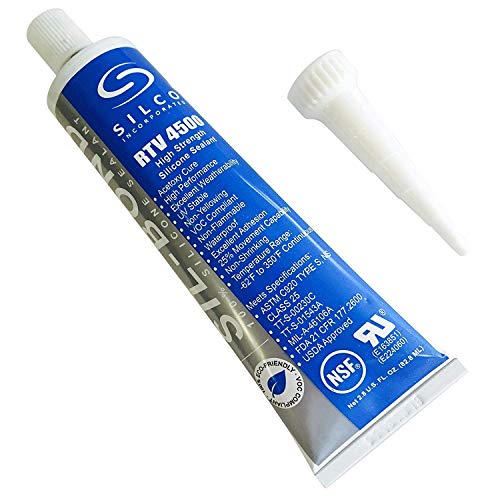
For sealing or forming a gasket rather than joining small craft parts, this clear RTV silicone is the distinct choice. It comes in a 2.8 fl oz tube, and its features claim food-contact safety, resistance to all weather conditions, and tolerance to 350°F. Silicone cures into a flexible seal, so it serves a different purpose from rigid model cement or instant glue.
Bottom line: Pick this for a flexible seal or gasket, not a small rigid plastic bond.
Aleene’s Quick Dry Tacky Glue

For mixed-material crafts where a larger bottle and non-toxic designation matter, this tacky glue is the broad craft option rather than a plastic-specific cement. The 4 fl oz bottle is AP-certified non-toxic, and the formula is described as thick, quick-tacking, flexible when dry, and clear. Its uses include paper, wood, foam, plastic, and metal. Tacky glue dries as moisture leaves the adhesive, so a nonporous plastic surface may not offer the same quick bond as absorbent craft materials; it is not the best fit for precision model assembly.
Bottom line: Choose this for general craft work that includes plastic and absorbent materials.
How to choose glue for plastic
Choose by plastic type and joint purpose before comparing bottle size. Plastic cement is designed for compatible model plastics such as polystyrene and ABS, while cyanoacrylate is an instant adhesive used across materials and tacky glue serves mixed craft projects. Silicone RTV is primarily useful for a flexible seal or gasket rather than a rigid, tiny bond.
Use the practical rule: if the plastic is not identified as polystyrene or ABS, do not assume model cement is suitable; confirm the adhesive’s compatibility with that plastic. For visible repairs, a clear-drying formula can help reduce the appearance of residue, but fit and bond type still decide the choice. A food-safe claim is application-specific and is not interchangeable with a non-toxic label.
Plastic glue types and their uses
Plastic adhesives differ in how they create a bond: model cement softens compatible surfaces, cyanoacrylate forms a fast bond, tacky glue dries as moisture evaporates, and silicone cures into a flexible seal. That difference explains why one glue cannot serve every plastic job equally well.
Use this quick guide to match the task to the adhesive type rather than treating all products called glue as substitutes.
| Type | Typical use | Decision point |
|---|---|---|
| Plastic cement | Compatible plastic model joints | For polystyrene or ABS parts |
| Cyanoacrylate | Small, quick repairs across materials | Keep clear of skin and eyes |
| Tacky craft glue | Mixed-material craft work | Better for craft surfaces than precision model joints |
| Silicone RTV | Flexible seals and gaskets | Choose when flexibility matters |
Safety and application checks
“Non-toxic” is not a food-safety guarantee, and it does not mean a wet adhesive is harmless to touch. Read the product’s safety labeling for the intended application, work with ventilation when using solvent-based cement or instant adhesives, and keep adhesives away from children and eyes. Cyanoacrylate can bond skin rapidly, so avoid touching aligned parts and never pull bonded skin apart by force.
Prepare the joint before applying adhesive: dry-fit the parts, remove loose dust, and use only enough glue to cover the bond area. A small amount is easier to control than a large bead, especially with fast-setting formulas. For silicone, plan for a flexible seal rather than a rigid structural connection, and confirm the temperature and food-contact conditions apply to the job.
Common mistakes when bonding plastic
The biggest mistake is choosing glue by the word “plastic” alone. Plastic cement is designed for specific compatible plastics, and a general craft glue or instant adhesive may not produce the same kind of joint. Identify the material when possible, then match it to the adhesive’s use; if the plastic type is unknown, verify compatibility before applying glue to the finished piece.
Another mistake is treating instant handling strength as full readiness or assuming a food-safe claim covers every use. Bond only clean, dry surfaces, keep adhesive away from skin, and use sealant when the goal is a flexible gasket instead of a rigid joint. Do not use any glue on food-contact surfaces unless the product’s claim and application instructions specifically cover that use.
Frequently Asked Questions
Does non-toxic glue mean safe for food containers?
No; non-toxic labeling does not establish food-contact suitability. Use an adhesive only when its food-contact claim covers the specific application, and follow its curing requirements.
Can plastic cement bond every type of plastic?
No; the plastic cement here is intended for polystyrene and ABS. If the part is another plastic or its material is unknown, verify compatibility before applying cement.
How do I apply super glue without bonding my fingers?
Keep fingers away from the wet joint and use only a small amount while aligning parts. Cyanoacrylate can bond skin quickly, so do not pull bonded skin apart by force.
Is silicone sealant a good choice for plastic models?
Silicone sealant is better suited to a flexible seal or gasket than a small rigid model joint. Choose plastic cement for compatible polystyrene or ABS model parts.
Why can craft glue take longer on plastic?
Tacky glue dries as moisture evaporates, while plastic is nonporous and does not absorb moisture like paper or wood. Use it for mixed crafts, not when a fast, precise model joint is the priority.