
Tea Tree Oil in Humidifiers: 3 Options Compared

For tea tree oil in a humidifier, choose Siva Tea Tree Essential Oil, 4 oz if you want a 4-ounce bottle and your humidifier is designed to use essential oils. Sun Essential Oils Tea Tree Oil, 16 oz is a larger 16-ounce option, while UpNature Organic Tea Tree Oil, 2 oz is a related tea tree oil without a humidifier use in its product name.
Essential oils can damage humidifier components or leave residue unless the unit is made for them; check the manual and use only its designated oil tray or compartment.
We earn a commission if you buy through links on this page. As an Amazon Associate I earn from qualifying purchases. Products are compared on manufacturer specifications, not hands-on testing.
- Best overall: Siva Tea Tree Essential Oil, 4 oz – Its 4-ounce bottle is marketed for humidifier use, making it a direct fit when your unit permits essential oils.
- Best for larger supply: Sun Essential Oils Tea Tree Oil, 16 oz – The 16-ounce bottle is the largest of these options and is marketed for humidifier use.
- Best for organic sourcing: UpNature Organic Tea Tree Oil, 2 oz – The product is described as organic, pure, and steam-distilled tea tree oil.
| Product | Best for | Bottle size | Humidifier use | Other stated attribute | Shop |
|---|---|---|---|---|---|
| Siva Tea Tree Essential Oil, 4 oz | General aroma use | 4 fl oz | Yes | Amber bottle, dropper | Check Price on Amazon |
| Sun Essential Oils Tea Tree Oil, 16 oz | Larger bottle | 16 fl oz | Yes | Clear to pale yellow | Check Price on Amazon |
| UpNature Organic Tea Tree Oil, 2 oz | Organic formulation | 2 fl oz | — | USDA Organic | Check Price on Amazon |
Tea Tree Oil for Humidifiers
The key distinction is whether the oil is marketed for humidifier use, but your humidifier’s design determines whether adding oil is appropriate.
Siva Tea Tree Essential Oil, 4 oz
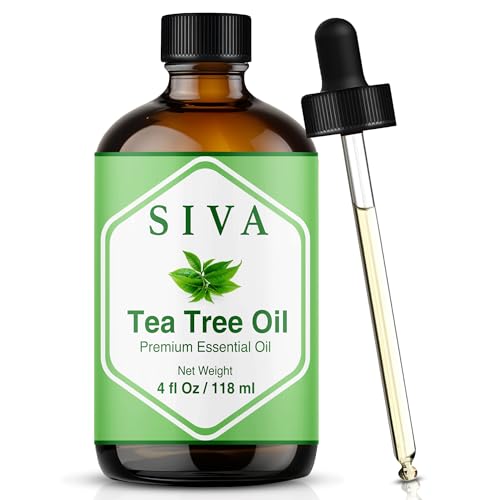
Siva Tea Tree Essential Oil, 4 oz is a 4-ounce tea tree oil marketed for humidifier and diffuser use, in a smaller bottle than Sun Essential Oils Tea Tree Oil, 16 oz. The amber glass bottle includes a dropper, and the product is also positioned for aroma and DIY blending. The maker describes its scent as earthy. This option suits someone who wants a moderate quantity for occasional aroma use. Its humidifier wording does not establish compatibility with every model: essential oil can damage some tanks and internal parts, so use it only if the humidifier manual allows oils and identifies where to add them.
Bottom line: Choose this if you want a 4-ounce bottle and your humidifier explicitly supports essential oils.
Sun Essential Oils Tea Tree Oil, 16 oz

Sun Essential Oils Tea Tree Oil, 16 oz is the largest bottle here at 16 ounces, and its product name explicitly includes humidifier use. Its features describe a crisp, herbal aroma and also mention diffuser and DIY crafting applications. The larger format may suit a household that expects to use tea tree oil across multiple permitted aroma applications. Bottle size alone does not make an oil suitable for a particular appliance: check the humidifier manual before adding it, because many units are designed for water only and may be damaged by oil in the tank.
Bottom line: Pick this when you need the largest bottle and your appliance is rated for essential oils.
UpNature Organic Tea Tree Oil, 2 oz
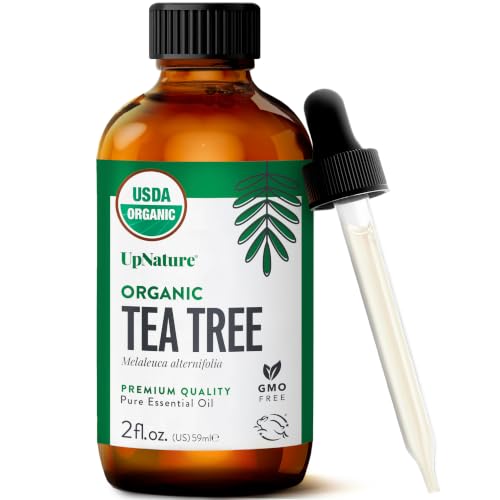
UpNature Organic Tea Tree Oil, 2 oz stands out for its USDA Organic status and 2-ounce size, rather than a specific humidifier-use claim. The product is described as pure and steam-distilled from Melaleuca alternifolia leaves, with hair, scalp, skin, and nail uses among its intended applications. It may fit someone seeking a smaller organic tea tree oil for those uses, but it is not as direct a match for humidifier use as Siva Tea Tree Essential Oil, 4 oz or Sun Essential Oils Tea Tree Oil, 16 oz. Do not put it into a humidifier unless the appliance maker permits essential oils and specifies an appropriate compartment.
Bottom line: Choose this for its organic formulation, not as a default humidifier oil.
How to choose tea tree oil for a humidifier
Choose based first on your humidifier’s approved oil-use method, then on bottle size and the aroma product you prefer. Many ultrasonic humidifiers use a vibrating plate to create a fine mist from water; putting oil directly in the tank can coat or degrade components. Some models have a separate aroma tray or pad that keeps oil away from the water reservoir. Use that compartment only when the manual explicitly permits essential oils.
Tea tree oil is concentrated, so more is not automatically better. Follow the humidifier maker’s dose limit if it provides one, and stop if you notice residue, unusual noise, or a change in mist output. A humidifier marketed for oils is not necessarily compatible with every oil or every placement method.
Humidifier types and essential-oil compatibility
Most standard ultrasonic and evaporative humidifiers are designed for water, not essential oil in the reservoir. Warm-mist models heat water, but heat does not make adding oil safe for the appliance; use only an approved aroma compartment. Dedicated essential-oil diffusers are designed to disperse fragrance, but they are not substitutes for humidifiers when the goal is to add moisture to room air.
The decision rule is simple: if the manual does not explicitly permit essential oils or show an oil tray, keep tea tree oil out of the humidifier. A separate diffuser may be a better fit for aroma, while a plain humidifier can run with water as directed. Avoid combining oil with cleaning agents or putting it into a filter or wick unless the maker says to do so.
| Appliance design | Tea tree oil choice |
|---|---|
| Oil tray or pad approved in manual | Use only the designated compartment and dose guidance |
| Water-only tank, no aroma feature | Do not add oil to the reservoir |
| Dedicated essential-oil diffuser | Use its instructions; it does not humidify by default |
Tea tree oil handling and room safety
Essential oils are concentrated volatile substances, and inhaled fragrance can bother people with asthma, allergies, or scent sensitivity. Start with a brief session in a ventilated room and stop if anyone develops irritation, coughing, headache, or breathing discomfort. Keep the bottle and any oil-soaked pads away from children and pets, and never ingest tea tree oil.
For skin or hair use, tea tree oil should be diluted in a suitable carrier rather than applied neat; Siva Tea Tree Essential Oil, 4 oz specifically advises dilution before skin and hair application. Keep oil away from eyes and mucous membranes, and wash spills promptly because concentrated oil can irritate skin and damage some finishes. Store the bottle closed, upright, and out of reach.
Frequently Asked Questions
Can I put tea tree oil directly in my humidifier tank?
Only if the humidifier maker explicitly allows essential oils in the water tank; many models are water-only, and oil can damage internal parts. If the unit has an approved aroma tray, use that instead of the reservoir.
How many drops of tea tree oil should I use?
Use the amount specified for your humidifier’s aroma tray or compartment, since there is no universal dose across models. If the manual gives no essential-oil guidance, do not add the oil to that appliance.
Can tea tree oil damage an ultrasonic humidifier?
Yes, oil in a water tank can leave residue or harm components in an ultrasonic humidifier that is designed for water alone. Use an oil tray only when the manual identifies one for essential oils.
Is a humidifier the same as an essential oil diffuser?
No; a humidifier adds moisture to air, while a dedicated essential-oil diffuser is designed to disperse aroma and may add little or no humidity. Choose based on whether you want room moisture or fragrance.
Is tea tree oil safe to breathe all night?
There is no universally safe duration for everyone because concentrated fragrance can irritate sensitive people. Try a short, ventilated session first and stop if anyone experiences coughing, irritation, or breathing discomfort.