
22LR Scope With Bullet Drop Compensator: Fit Compared

For a .22 LR scope with bullet drop compensator, Primary Arms Classic 6×32 ACSS 22LR is the direct match because its ACSS reticle is calibrated for .22 LR and includes BDC holdovers. Choose a different scope if you want variable magnification or side-focus adjustment instead; those features are offered by Armstrong Precision Rimfire 4-16×44 and Anatkh 2-7×32 Rimfire Scope, but their reticles do not include BDC.
We earn a commission if you buy through links on this page. As an Amazon Associate I earn from qualifying purchases. Products are compared on manufacturer specifications, not hands-on testing.
- Best overall: Primary Arms Classic 6×32 ACSS 22LR – The fixed 6x ACSS reticle combines .22 LR BDC holdovers, auto-ranging stadia, and wind holds.
- Best for side focus: Armstrong Precision Rimfire 4-16×44 – Side focus adjusts from 15 yards to infinity, and magnification varies from 4x to 16x.
- Best for variable power: Anatkh 2-7×32 Rimfire Scope – The 2–7x magnification range pairs with RGB reticle illumination.
| Product | Best for | Magnification | Reticle | Objective | Shop |
|---|---|---|---|---|---|
| Primary Arms Classic 6×32 ACSS 22LR | Rimfire BDC | 6x fixed | ACSS 22LR BDC | 32 mm | Check Price on Amazon |
| Armstrong Precision Rimfire 4-16×44 | Close-range focus | 4–16x variable | Mil-dot | 44 mm | Check Price on Amazon |
| HT 4×32 Illuminated Scope | Fast fixed-power use | 4x fixed | Red/green illuminated | 32 mm | Check Price on Amazon |
| Anatkh 2-7×32 Rimfire Scope | Variable hunting power | 2–7x variable | RGB illuminated | 32 mm | Check Price on Amazon |
22LR Scopes With Bullet Drop Compensator and Alternatives
Only one option specifies a .22 LR-calibrated BDC reticle; the others offer different aiming or focusing features.
Primary Arms Classic 6×32 ACSS 22LR
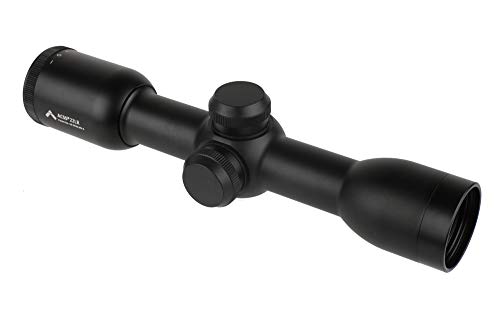
Unlike the other scopes here, this model specifies BDC holdovers calibrated for .22 LR. Its second-focal-plane ACSS reticle also combines auto-ranging stadia and wind holds, while the fixed 6x magnification keeps the setup straightforward. The 1-inch tube measures 9.05 inches long and weighs 11.7 ounces, and the capped turrets adjust in 1/4 MOA clicks. The fixed power is the main tradeoff: choose another option if you need to zoom between close targets and distant ones.
Bottom line: Pick this if a .22 LR-specific BDC reticle matters more than variable magnification.
Armstrong Precision Rimfire 4-16×44

For close targets and adjustable magnification, this scope differs from the fixed-power BDC option with a 4–16x range and side focus from 15 yards to infinity. Its mil-dot reticle is calibrated for ranging at 16x, and the turrets lock and can be reset to zero after dialing in. Elevation adjustment totals 17.5 mils, approximately 60 MOA. The reticle is mil-dot rather than a specified BDC, so choose it for adjustable focus and magnification, not cartridge-specific drop marks.
Bottom line: Choose this for side focus and a broad magnification range rather than BDC marks.
HT 4×32 Illuminated Scope

This compact fixed-power scope emphasizes quick target acquisition instead of a BDC reticle. It has 4x magnification, a 32 mm objective, and red/green reticle illumination with multiple brightness settings. The 8.9-inch body uses aircraft-grade aluminum, with nitrogen filling and O-ring sealing for IPX7 waterproof protection. The fixed power and lack of a specified BDC make it a different choice from the .22 LR-calibrated option; it suits buyers who prefer a simple illuminated sight picture.
Bottom line: Pick this for compact 4x viewing and an illuminated reticle, not BDC holdovers.
Anatkh 2-7×32 Rimfire Scope

For a lower starting magnification with zoom flexibility, this scope offers 2–7x power rather than the fixed magnification of the BDC model. The 32 mm objective and second-focal-plane reticle are paired with red, green, and blue illumination at three brightness levels. It weighs 13.61 ounces and uses Japanese ED glass. Its reticle is not identified as BDC, so it is a fit for buyers prioritizing variable power and illumination over marked .22 LR drop holds.
Bottom line: Choose this for variable 2–7x magnification and RGB illumination.
How to choose a .22 LR scope with BDC
A BDC reticle is useful only when its hold marks correspond closely to your ammunition and setup. Bullet drop changes with muzzle velocity, bullet weight, zero distance, and environmental conditions, so a reticle labeled for .22 LR is a starting point rather than a guarantee of exact impacts. Confirm the reticle’s calibration details and verify the holds at the distances you plan to shoot. If you change ammunition or zero, recheck the impact points. For targets at varying distances, a variable-power scope can help frame the target, while a fixed-power scope offers a simpler setup.
Reticle types and magnification
BDC marks, mil-dots, and illuminated reticles solve different problems: BDC offers aiming references for drop, mil-dots support ranging and hold estimates, and illumination makes the reticle easier to see against some backgrounds. Second-focal-plane reticle subtensions remain accurate at a designated magnification, so check the calibrated power before using ranging marks. A scope’s magnification does not change its reticle design. Use this comparison to match the feature to the task.
| Need | Reticle or feature | Tradeoff |
|---|---|---|
| Marked drop holds | .22 LR BDC | Confirm calibration and zero |
| Range estimation | Mil-dot | Use the calibrated magnification |
| Low-light reticle visibility | Illumination | Does not compensate for bullet drop |
Zeroing and checking holdovers
Zero the rifle with the exact ammunition you expect to use, then confirm the point of impact at multiple known distances. A 50-yard zero is a common .22 LR setup, but the right zero depends on the intended distances and ammunition. Record the load and zero so you can detect changes after switching cartridges. A BDC reticle cannot remove trajectory variation, and estimating distance by eye can undermine the hold marks. Use a safe backstop that stops bullets, keep the muzzle pointed in a safe direction, and wear eye and hearing protection while shooting.
Mounting a rimfire scope safely
Check that the rifle’s mounting interface, rings, and scope tube diameter are compatible before mounting; a 1-inch tube is not interchangeable with every ring size. Keep the scope aligned and set eye relief before tightening the rings to avoid a poor sight picture or shifting during use. After mounting, verify that the reticle is level and confirm zero at a safe range. Never assume a rail or rings fit a particular rifle solely because both use a common accessory standard; the receiver and mount pattern must match.
Frequently Asked Questions
What does a .22 LR BDC reticle do?
A .22 LR BDC reticle provides aiming marks intended to correspond to bullet drop at different distances. Actual impacts depend on ammunition, zero, and conditions, so confirm each hold at a safe range.
Does a BDC reticle work with every .22 LR load?
No; bullet weight and muzzle velocity affect trajectory, so a BDC calibration may not match every load. Recheck impacts after changing ammunition or zero.
What is a common .22 LR zero distance?
A 50-yard zero is a common choice for rimfire use, but it is not universal. Select the zero for your intended distances and confirm impacts beyond the zero range.
When should I use a mil-dot reticle?
A mil-dot reticle can help estimate range or hold corrections when the target size or distance is known. In a second-focal-plane scope, use the magnification for which the reticle subtensions are calibrated.
Is a fixed 6x scope suitable for rimfire shooting?
A fixed 6x scope can suit target work at a consistent distance, while variable power offers more framing flexibility. Choose based on target distance and field of view needs.