
Beard Softener King C Gillette: 5 Options Compared

For a King C. Gillette beard softener, King C. Gillette Beard Oil is the closest match: its lightweight beard oil is made to soften hair and moisturize the skin beneath it. Choose King C. Gillette Beard Thickener if you want a fast-drying thickener that also conditions, or King C. Gillette Beard Wash if you want a rinse-out cleanser rather than a leave-in softener.
Beard oil is a leave-in conditioning product; a beard wash cleans hair and skin, so it is not a substitute for daily softening.
We earn a commission if you buy through links on this page. As an Amazon Associate I earn from qualifying purchases. Products are compared on manufacturer specifications, not hands-on testing.
- Best overall: King C. Gillette Beard Oil – A leave-in oil formulated to soften beard hair and moisturize the skin underneath.
- Best for a thicker look: King C. Gillette Beard Thickener – Its lightweight, fast-drying formula is designed to coat hair for a thicker appearance while conditioning.
- Best for flyaways: Every Man Jack Softening Butter, Vanilla Cedar – The butter is made to soften facial hair and tame flyaways, with shea butter and coconut oil.
| Product | Best for | Format | Size | Key ingredients | Shop |
|---|---|---|---|---|---|
| King C. Gillette Beard Oil | Daily beard conditioning | Leave-in oil | 1.01 fl oz | Argan, jojoba, avocado, macadamia | Check Price on Amazon |
| King C. Gillette Beard Thickener | Thicker-looking beards | Fast-drying thickener | 1.7 oz | Vitamin B3, pro-vitamin B5, argan oil | Check Price on Amazon |
| King C. Gillette Beard Wash | Rinse-out cleansing | Rinse-out wash | 11.8 fl oz | Argan oil, avocado oil, coconut water | Check Price on Amazon |
| Striking Viking Sandalwood Beard Softener | Light-hold styling | Leave-in butter/cream | 4 oz | Natural ingredients | Check Price on Amazon |
| Every Man Jack Softening Butter, Vanilla Cedar | Flyaway control | Leave-in butter | 4 oz, 2-pack | Shea butter, cocoa butter, coconut oil | Check Price on Amazon |
King C. Gillette Beard Softener Options
Compare the leave-in formulas with a rinse-out wash and two alternative softening creams.
King C. Gillette Beard Oil
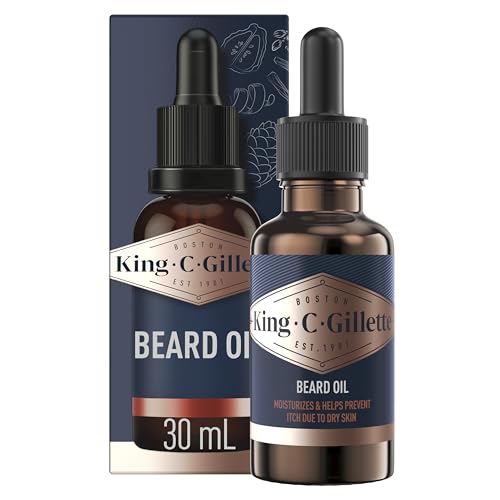
As a leave-in oil, this is the most direct match for softening a beard without rinsing. The formula contains 99% plant-based oils, including argan, jojoba, avocado, macadamia seed and almond oils; the maker says it moisturizes dry skin and leaves beard hair soft and smooth. Apply a few drops to the palm and work them through the beard and skin, using more for longer beards. The bergamot, geranium and cedarwood fragrance may not suit someone who prefers unscented grooming products.
Bottom line: Choose this for a scented, daily leave-in oil that conditions both beard hair and the skin beneath it.
King C. Gillette Beard Thickener

Unlike a dedicated beard oil, this product is a thickener that also conditions. The maker says it coats and strengthens each hair for a thicker-looking beard, while softening and smoothing the hair; the lightweight formula is also described as fast drying. Its vitamin B3, pro-vitamin B5, argan oil and caffeine set it apart from the oil’s blend of plant-based oils. Choose it when appearance and conditioning are both priorities; skip it if you want a simple oil-based leave-in or a wash-off cleanser.
Bottom line: Pick this when you want conditioning alongside a thicker-looking beard.
King C. Gillette Beard Wash
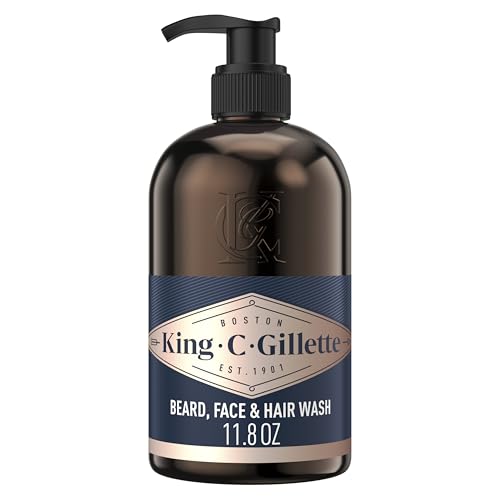
This is the only rinse-out cleanser among the King C. Gillette options, not a leave-in softener. The maker says its mild cleansers remove dirt and oil, while beard-optimized conditioners leave hair and skin feeling soft and smooth. Coconut water, argan oil and avocado oil are included, and menthol provides a light cooling sensation. Work a small amount into a wet beard, lather and rinse. Because it is washed away, choose an oil or cream instead if you want conditioning to remain in the beard between washes.
Bottom line: Choose this to cleanse beard and skin with some conditioning in the wash.
Striking Viking Sandalwood Beard Softener

This alternative is a leave-in butter or cream rather than a King C. Gillette oil. The maker describes a non-greasy finish, hydration, a sandalwood scent and light hold for shaping; it can be used as a leave-in conditioner or styling balm. The 4-ounce size offers a different format from the smaller Gillette oil bottle, but the maker does not identify individual natural ingredients. Choose it if you want softness with some control and like sandalwood; choose an oil if you prefer the specified multi-oil blend.
Bottom line: Pick this if light hold and a sandalwood-scented cream matter more than an oil format.
Every Man Jack Softening Butter, Vanilla Cedar

This two-pack of softening butter stands apart for its focus on beard, scruff and mustache flyaways. The maker says the formula absorbs without a greasy or heavy feel and conditions coarse facial hair while hydrating the skin underneath; hydrolyzed wheat protein is also included. Its vanilla cedar fragrance differs from the sandalwood scent of the other cream option. The two 4-ounce containers suit someone who wants butter for regular use, but the scented formula is a poor fit for anyone seeking a fragrance-free product.
Bottom line: Choose this for a butter aimed at softening facial hair and taming flyaways.
How to choose a beard softener
Choose by whether you want leave-in conditioning, cleansing or styling control. Beard oil stays in the hair and is worked into the skin; butter and cream can condition while adding some shaping, while wash is rinsed away after cleansing. Longer beards generally need more product than short beards, and the King C. Gillette oil specifically advises using more for longer growth. Start with a few drops, spread them between your palms, then work through hair to the skin rather than coating only the outside. If your main goal is a thicker-looking appearance, a conditioning thickener is a different choice from an oil made primarily to soften.
Beard oil, butter and wash compared
Beard oil and leave-in butter remain in the beard, while beard wash is a rinse-out product. Use this format comparison to choose the right role in a grooming routine.
| Format | Where it fits | Choose when |
|---|---|---|
| Oil | Leave-in conditioning | You want a lightweight product for hair and underlying skin |
| Butter or cream | Leave-in conditioning and possible styling | You want softness with some shaping or flyaway control |
| Wash | Rinse-out cleansing | You want to remove dirt and oil rather than leave conditioning behind |
For an everyday softening step, pick a leave-in format; for cleaning, use a wash and rinse it completely.
How much beard softener to use
Begin with a few drops of oil and add more only if the product does not spread through the beard. The King C. Gillette oil recommends more for longer beards, but no universal drop count works across different hair lengths and densities. Rub the oil between your palms first, then work from the skin outward so the skin beneath the beard is included. Butter and cream are thicker formats, so start with a small amount and add gradually rather than applying a large dab at once. Stop adding product when hair feels coated; excess can make the beard feel heavy even when the formula is described as non-greasy.
Beard softener routine and common mistakes
Use a rinse-out beard wash for cleansing and a leave-in oil or butter for conditioning; confusing these roles can leave hair without the softening step you intended. Wet hair helps distribute wash, which should be lathered and rinsed; oil is applied to the palm and worked into beard and skin. Avoid applying leave-in conditioner only to the outer surface, since the skin beneath the beard is also a target for moisturizing formulas. Fragrance is another practical fit issue: the featured oil and butters have named scents, so skip them if you need an unscented formula. If a product irritates your skin, discontinue use.
Frequently Asked Questions
Can beard wash replace beard oil?
No, beard wash is rinsed away, while beard oil is left in to condition hair and skin. Use a wash to clean and a leave-in product when you want softening between washes.
How many drops of beard oil should I use?
Start with a few drops and use more for a longer beard. Work the oil through the hair and down to the skin, adding gradually rather than coating the beard at once.
Should beard oil go on wet or dry hair?
Apply beard oil to a palm and work it through the beard and skin; the King C. Gillette directions do not require a wet beard. Beard wash, by contrast, is worked into a wet beard and rinsed.
What is the difference between beard butter and beard oil?
Oil is a leave-in conditioning format, while beard butter or cream may also provide some styling control. The Striking Viking cream, for example, is described as having light hold; check the product’s role before choosing.
Can beard softener irritate sensitive skin?
Yes, grooming products can irritate some skin, and scented formulas may be an especially poor fit for fragrance sensitivities. Stop using a product if irritation occurs and choose a fragrance-free formula if scent is a concern.