
Best Sealer for Vinyl Siding: Options by Repair Need

For most homeowners seeking a vinyl siding sealer, Vinyl Renu 1-Gallon Kit is the closest match because it is a siding restorer sold as a 1-gallon kit. Choose a patch for a localized hole or crack instead; the other options address flooring seams or general waterproof repairs, not whole-siding restoration.
We earn a commission if you buy through links on this page. As an Amazon Associate I earn from qualifying purchases. Products are compared on manufacturer specifications, not hands-on testing.
- Best overall: Vinyl Renu 1-Gallon Kit – A 1-gallon siding restorer intended for vinyl and other siding materials.
- Best for large projects: Vinyl Renu 5-Gallon Pail – The same siding restorer in a 5-gallon pail.
- Best for small damage: Guppyhill 12-Patch Vinyl Repair Kit – Twelve peel-and-stick PVC patches for cracks, holes or blemishes.
| Product | Best for | Format | Package size | Intended use | Shop |
|---|---|---|---|---|---|
| Vinyl Renu 1-Gallon Kit | Siding restoration | Liquid restorer | 1 gallon | Vinyl, metal, Hardie siding | Check Price on Amazon |
| Vinyl Renu 5-Gallon Pail | Large siding areas | Liquid restorer | 5 gallons | Vinyl, metal, Hardie siding | Check Price on Amazon |
| Guppyhill 12-Patch Vinyl Repair Kit | Spot repairs | Peel-and-stick PVC patches | 12 patches, 6.3 × 4.75 in | Vinyl siding holes and cracks | Check Price on Amazon |
Vinyl Siding Sealer Options
Match the product to whether you need to restore siding color, patch a damaged spot or seal a different kind of surface.
Vinyl Renu 1-Gallon Kit

For a smaller siding-restoration project, this 1-gallon Vinyl Renu kit is the directly relevant choice among these options. The maker says it restores original color on vinyl, metal and Hardie siding and recommends applying it once every ten years. The package is 128 fluid ounces. It is a restorer, not a crack-filling compound, so choose a patch for a hole or split rather than expecting this coating to repair structural damage.
Bottom line: Pick this for a smaller project focused on restoring siding color, not repairing holes.
Vinyl Renu 5-Gallon Pail
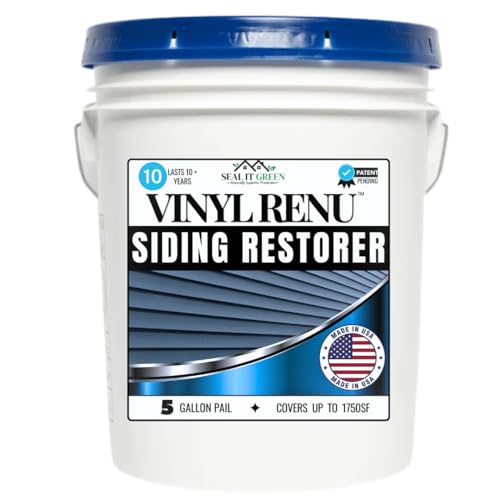
The 5-gallon pail offers the same Vinyl Renu siding-restoration formula in a larger container than the 1-gallon kit. The maker says it restores original color on vinyl, metal and Hardie siding, with application recommended once every ten years. It restores appearance rather than filling cracks or holes.
Bottom line: Choose this when the project calls for a larger volume of siding restorer.
Guppyhill 12-Patch Vinyl Repair Kit
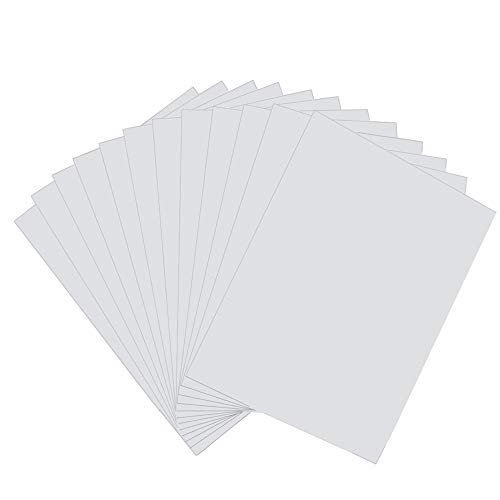
Unlike a liquid restorer, this kit is for localized vinyl siding damage: it includes 12 thin PVC patches, each 6.3 by 4.75 inches. Installation is clean, peel, stick, flatten and paint, making it a targeted option for a crack, hole or blemish rather than an entire wall. The maker gives a working temperature range of 5°F to 140°F. Because each patch has a fixed footprint, it is a poor fit for damage larger than the patch can cover or for a broad color-restoration job.
Bottom line: Pick this for a limited damaged spot that fits within a patch.
How to choose vinyl siding sealer
Choose by the problem: a restorer is for changing the appearance of siding, while a patch is for a localized opening or blemish. A gallon equals 128 fluid ounces, so the 5-gallon pail contains five times the liquid volume of the smaller kit; that does not establish coverage because no application rate is given. Measure the area that needs treatment and compare it with the patch footprint if using a patch. For widespread fading, choose a siding restorer; for one hole or crack, choose a repair patch. Neither product should be treated as a substitute for replacing loose, split or badly damaged panels.
| Need | Product type | Decision cue |
|---|---|---|
| Restore siding appearance | Liquid restorer | Choose 1 or 5 gallons by project volume |
| Cover a localized blemish | PVC patch | Damage must fit within 6.3 × 4.75 inches |
When a siding patch is the better choice
A patch is the more direct option when damage is confined to an area smaller than its 6.3-by-4.75-inch footprint. The Guppyhill kit uses thin PVC pieces and calls for cleaning the surface, peeling, sticking, flattening and painting. Its working range is 5°F to 140°F, so temperature at application matters; do not assume the patch suits conditions outside that range. A patch covers a surface defect, while a siding restorer is intended to renew color. For a large break, loose panel or damage extending beyond the patch, assess the panel itself rather than stretching a patch beyond its size.
Vinyl siding sealer versus other sealers
Products called sealers can serve unrelated jobs, so match the substrate and task before buying. Sheet-flooring seam sealer is formulated for interior sheet flooring seams, including linoleum and vinyl-backed or fiberglass-reinforced goods; that does not make it a siding treatment. Waterproofing tape is marketed for leak and patch repairs across surfaces, but its broad use does not make it a siding color restorer. For siding, use the liquid restorer for appearance work or a PVC siding patch for a discrete hole or crack. A functional repair and a cosmetic refresh are different jobs, and choosing by the word “sealer” alone risks a mismatch.
Frequently Asked Questions
Can siding restorer fill cracks in vinyl siding?
No; the Vinyl Renu products here are siding restorers, while the Guppyhill kit is specifically for localized cracks, holes or blemishes. Its patches measure 6.3 by 4.75 inches, so damage must fit within that footprint.
How many fluid ounces are in five gallons?
Five US gallons equal 640 fluid ounces. The 1-gallon kit contains 128 fluid ounces, making the larger pail five times its volume.
What temperature range does the vinyl patch allow?
The maker gives a range of 5°F to 140°F for the Guppyhill patches. Check the temperature at the work area against that range before applying one.
Can flooring seam sealer be used on vinyl siding?
Roberts 7500 is formulated for sheet-flooring seams and is for interior use only, so it is not the siding option here. Use a siding restorer for appearance or a siding patch for localized damage.