
ZPVP Foundation Medium Spectrum: 5 Options Compared

Foundation 4 in 1 Medium Spectrum is the closest match for a light-to-medium coverage foundation with a color-adjusting formula and natural demi-matte finish. Choose another option if you want a specifically stated SPF 50 or 50+ claim, or a formula marketed for mature skin.
Color changing foundation uses encapsulated pigments that blend into a tinted finish; the result still needs a shade and undertone check in daylight.
We earn a commission if you buy through links on this page. As an Amazon Associate I earn from qualifying purchases. Products are compared on manufacturer specifications, not hands-on testing.
- Best overall: Foundation 4 in 1 Medium Spectrum – Pairs color-adjusting pigments with light-to-medium coverage and a natural demi-matte finish.
- Best for SPF 50+ claim: Color Changing Foundation 30 g – Its formula explicitly combines color changing foundation with an SPF 50+ claim.
- Best for mature skin: Forever Bloom Biomimic Medium SPF 50 – Marketed for mature skin, with light-to-medium buildable coverage and an SPF 50 claim.
- Best for 30 ml size: Foundation 4 in 1 30 ml – Offers a 30 ml size and a SPF 50+ claim.
| Product | Best for | Size | SPF claim | Coverage or finish | Shop |
|---|---|---|---|---|---|
| Foundation 4 in 1 Medium Spectrum | Natural demi-matte | 1 fl oz | Sunscreen; SPF not given | Light to medium; natural demi-matte | Check Price on Amazon |
| Foundation 4 in 1 Natural Color | Illuminating finish | 1 fl oz | SPF 50+ inspired; verify label | Light; buildable | Check Price on Amazon |
| Color Changing Foundation 30 g | SPF 50+ claim | 30 g | SPF 50+ | Lightweight; natural finish | Check Price on Amazon |
| Forever Bloom Biomimic Medium SPF 50 | Mature skin | 1 fl oz | SPF 50 | Light to medium; buildable | Check Price on Amazon |
| Foundation 4 in 1 30 ml | Sweat-resistant wear | 30 ml | SPF 50+ | Lightweight; natural appearance | Check Price on Amazon |
ZPVP Medium Spectrum Foundation Options
Compare the color-adjusting formulas by their SPF claims, coverage and finish before choosing.
Foundation 4 in 1 Medium Spectrum

Foundation 4 in 1 Medium Spectrum emphasizes a natural demi-matte finish, which sets it apart from options with a more illuminating finish or mature-skin positioning. Its maker says the 4-in-1 liquid combines foundation, concealer, moisturizer and sunscreen, with shade-sensing pigments that change as they blend. The formula offers light-to-medium coverage, a useful range for buyers who want a natural-looking base rather than full coverage. The product name calls it waterproof and long-lasting, but the SPF claim has no numeric value. Buyers seeking a particular labeled SPF should check the package before choosing.
Bottom line: Pick this if light-to-medium coverage and a demi-matte finish are your priorities.
Foundation 4 in 1 Natural Color

Foundation 4 in 1 Natural Color is distinguished by an illuminating, silky finish and language about a 24-hour wear claim. Its maker describes a lightweight, oil-free formula that resists sweat and natural oils, with buildable coverage for a heavier look. The formula is presented as hydrating and color-mimicking, and the name says “SPF 50+ Inspired”; that wording is not the same as a confirmed SPF label. This option suits someone seeking an illuminating finish and adjustable coverage. Anyone choosing foundation for dependable sun protection should verify the actual SPF and broad-spectrum labeling on the package.
Bottom line: Choose this for an illuminating finish and buildable coverage, after checking its SPF label.
Color Changing Foundation 30 g
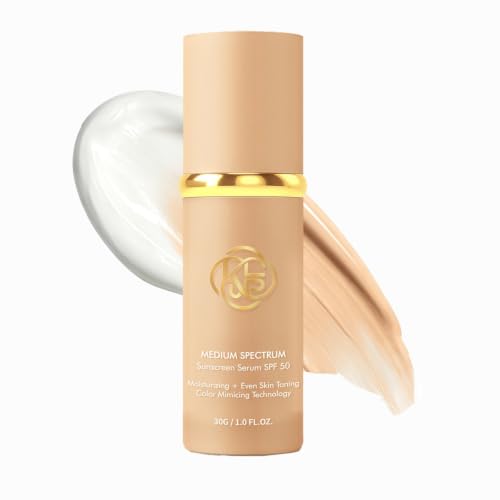
Color Changing Foundation 30 g makes the SPF 50+ claim explicit in its product name and features, unlike options that use less definite SPF wording. Its maker describes a four-in-one serum combining foundation, concealer, moisturizer and sunscreen, with color-adapting pigments and a lightweight feel. It is positioned for all skin types and promises a natural, even complexion; those broad claims do not establish that every shade or formula suits every person. The formula is a fit for shoppers who prioritize a numeric SPF claim in a color changing base. For sun protection, confirm broad-spectrum labeling and use enough product.
Bottom line: Pick this when a clearly stated SPF 50+ claim is central to your choice.
Forever Bloom Biomimic Medium SPF 50

Forever Bloom Biomimic Medium SPF 50 differs by explicitly targeting mature skin and describing a fragrance-free, paraben-free formula. The maker says the white formula changes color in seconds, offers light-to-medium buildable coverage, and combines sunscreen, moisturizer and serum. It carries an SPF 50 claim and is also marketed as sweatproof and waterproof. These are maker claims, not a guarantee of a particular shade match or wear result. The option may suit buyers seeking a mature-skin-focused formula, but check the actual shade outcome and broad-spectrum label if sun protection is a deciding factor.
Bottom line: Choose this if mature-skin positioning and buildable coverage fit your preferences.
Foundation 4 in 1 30 ml

Foundation 4 in 1 30 ml stands out for its 30 ml size and emphasis on workout use. Its maker says the color changing formula combines foundation, concealer, hydration and SPF 50+ protection, with waterproof, sweatproof coverage claimed to last 24 hours. It is described as breathable and non-greasy, and intended to conceal minor imperfections, redness and dullness. That combination may appeal to buyers wanting a lightweight-looking base for active days. The long-wear and water-resistance language is a product claim; anyone relying on sun protection should still apply sunscreen at the recommended amount and reapply as directed.
Bottom line: Pick this for a 30 ml option marketed for sweat-resistant, active-day wear.
How to Choose a Color Changing Foundation
Choose by coverage, finish and shade result, not by the color changing claim alone. Most foundations range from sheer to full coverage; light-to-medium coverage lets more natural skin show through, while buildable formulas add opacity in layers. A demi-matte finish looks less reflective than an illuminating or dewy finish. Color changing formulas typically use pigment capsules or dispersed pigments that reveal tint as the product is rubbed in; they do not literally identify every person’s undertone. Apply a small amount along the jaw and check it in indirect daylight after blending. If the face and neck differ noticeably, prioritize a closer shade match over claims of universal adaptation.
How to Read SPF Claims on Foundation
Foundation can contribute sun protection only when applied in a sufficient, even layer. Sunscreen testing uses about 2 milligrams per square centimeter of skin, an amount many people do not apply when using makeup as their only sunscreen. For routine protection, dermatology guidance commonly recommends broad-spectrum SPF 30 or higher; broad-spectrum is a separate label from the SPF number. Apply a dedicated sunscreen beneath makeup when foundation is too sheer or lightly applied, and reapply sunscreen about every two hours outdoors, sooner after swimming or sweating. Do not infer a confirmed SPF from wording such as “SPF inspired”; check the package for an actual SPF and broad-spectrum label.
A quick decision table separates coverage preference from sun-protection checks.
| Need | What to prioritize |
|---|---|
| Natural skin show-through | Sheer or light-to-medium coverage |
| More visible coverage | Buildable or medium-to-full coverage |
| Sun protection under makeup | Broad-spectrum SPF label plus adequate application |
How to Check Shade and Undertone Fit
Test a color-adjusting foundation on the jawline and let it blend before judging the match. Undertone matters alongside depth: common descriptions include warm, cool and neutral, and a formula can appear too orange, pink or gray even when its apparent depth seems close. Compare the blended test with the neck in natural, indirect daylight rather than relying on a white pump color or indoor lighting. Start with a thin layer; extra product can deepen the look or make a mismatch more obvious. If the face and neck are different shades, choose the foundation closest to the area you want to even out, and check the result again after it dries.
How to Apply and Reapply Foundation with SPF
Use sunscreen separately when a makeup layer is too thin to provide its labeled protection. Apply sunscreen evenly to exposed skin before makeup, allow it to set, then blend foundation without rubbing away the base layer. Foundation’s SPF claim is measured at a much heavier application than many people use for cosmetics, so a small dab is not a reliable substitute. Outdoors, reapply sunscreen approximately every two hours and after swimming or heavy sweating; reapplication over makeup may require a sunscreen format compatible with your routine. Water-resistant sunscreen labels generally specify 40 or 80 minutes of water resistance, not all-day protection, so check the label rather than assuming “waterproof” means permanent coverage.
Frequently Asked Questions
Does color changing foundation match every skin tone?
No formula can be assumed to match every depth and undertone. Test a blended jawline stripe in indirect daylight, since warm, cool and neutral undertones can shift how a tint looks.
Is SPF 50 foundation enough sunscreen on its own?
Only if applied evenly at the tested amount, about 2 milligrams per square centimeter of skin. Because makeup is often applied more thinly, use a separate broad-spectrum sunscreen when dependable protection matters.
How often should sunscreen be reapplied over makeup?
Reapply about every two hours outdoors, and after swimming or heavy sweating. Many foundation layers are too thin to supply their labeled SPF, so sunscreen underneath may still be needed.
What does broad-spectrum mean on a sunscreen label?
Broad-spectrum labeling indicates protection against both UVA and UVB radiation. An SPF number alone does not confirm that label, so check the package when choosing a foundation for sun protection.
How can I test foundation undertone at home?
Blend a narrow stripe along the jaw and compare it with the neck in indirect daylight. A close depth can still look wrong if the undertone reads too pink, orange or gray.