
Touch Up Paint for Stainless Steel: 5 Options Compared

For small scratches where a metallic steel effect is the goal, Stainless Steel Effect Metallic Paint is the closest match because it is made for metal repair and scratch touch-up. Its gunmetal silver finish is an effect, not a confirmed match for every stainless steel surface; choose Rust-Oleum Appliance Epoxy Spray for broader appliance-exterior refinishing instead.
Appliance touch-up paints in other silver or graphite shades may suit a particular appliance, but color names alone do not guarantee a stainless steel match.
We earn a commission if you buy through links on this page. As an Amazon Associate I earn from qualifying purchases. Products are compared on manufacturer specifications, not hands-on testing.
- Best overall: Stainless Steel Effect Metallic Paint – A brush bottle with a stainless steel-effect finish is intended for metal repair and scratch touch-up.
- Best for appliance exteriors: Rust-Oleum Appliance Epoxy Spray – The 12-ounce stainless steel epoxy spray is made to refinish appliance exteriors.
- Best for LG graphite steel: TouchUpDirect LG Graphite Steel Paint – The pen tip and brush address small chips and larger scuffs in a named LG graphite steel shade.
| Product | Best for | Form | Color or finish | Size | Shop |
|---|---|---|---|---|---|
| Stainless Steel Effect Metallic Paint | Small metal touch-ups | Brush bottle | Gunmetal silver | 0.68 fl oz | Check Price on Amazon |
| Rust-Oleum Appliance Epoxy Spray | Larger exterior areas | Spray | Stainless steel | 12 oz | Check Price on Amazon |
| TouchUpDirect LG Graphite Steel Paint | LG graphite finishes | Pen and brush | LG Graphite Steel | 1 count | Check Price on Amazon |
| Metallic Silver Appliance Repair Paint | Silver appliance chips | Brush bottle | Metallic silver | 0.53 fl oz | Check Price on Amazon |
| Sundaze Gloss Appliance Touch-Up Paint Kit | Mixing gloss colors | Brush bottles | White, black, silver | 3 fl oz total | Check Price on Amazon |
Touch Up Paint for Stainless Steel
Match the finish and repair area before choosing between a brush, pen, or spray coating.
Stainless Steel Effect Metallic Paint

For small metal repairs where a stainless steel effect matters more than a manufacturer-specific match, this gunmetal-silver brush paint is the most directly targeted option. The built-in brush is intended for metal restoration, rust repair, and scratch touch-up on items such as hardware and faucets, as well as crafts. Its 0.68-fluid-ounce bottle is suited to localized work rather than recoating a large appliance exterior. The key limitation is the shade: a metallic effect can look different from brushed or polished stainless steel, so it may stand out on a visible panel.
Bottom line: Choose this for a small repair where a gunmetal metallic effect is acceptable.
Rust-Oleum Appliance Epoxy Spray

For a broader appliance refresh rather than a tiny chip, this stainless steel epoxy spray comes in a 12-ounce can and is intended for appliance exteriors. The maker says the coating is washable and moisture-resistant, and describes it as an even finish for worn appliances. A spray can cover more area than a small brush bottle, but it is less suited to precise spot correction and may make a small repair more noticeable if the surrounding finish is not recoated. Use is limited to exteriors; the maker excludes appliance interiors, stovetops, and continuously submerged surfaces.
Bottom line: Pick this when the repair extends across an appliance exterior, not just a pin-sized chip.
TouchUpDirect LG Graphite Steel Paint
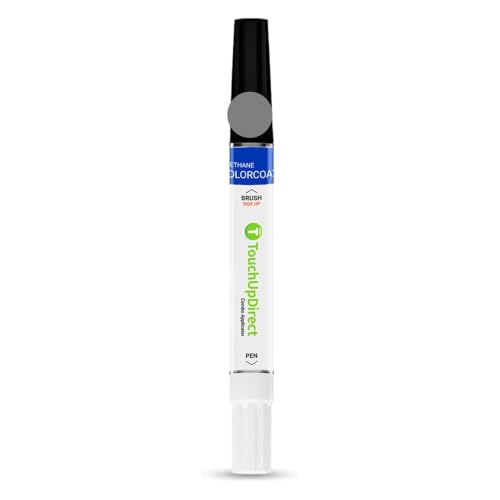
For an appliance whose target shade is LG Graphite Steel, this combo applicator offers a pen tip for small chips and a built-in brush for wider scuffs. The maker says the shade is matched to the OEM color and names refrigerators, washers, dryers, dishwashers, microwaves, and stoves as uses. That model-specific graphite shade is a different aim from a general stainless steel effect, so it is relevant only when the appliance finish calls for it. The package is one applicator; the specifications give no volume for estimating how much surface it can cover.
Bottom line: Choose this when the appliance finish is LG Graphite Steel rather than generic stainless.
Metallic Silver Appliance Repair Paint

For a small chip on a silver-colored appliance, this 0.53-fluid-ounce paint uses a precision brush applicator and a metallic silver shade. The maker describes it for refrigerators, washers, dishwashers, microwaves, and other appliances, and says a second coat can be added after ten minutes when needed. The silver shade is not identified as a stainless steel match, so color and sheen may differ from a steel panel; use it only when a close match is not essential. Its small bottle and brush make it more appropriate for localized marks than a full surface refresh.
Bottom line: Pick this for a small silver appliance mark when an exact steel finish match is not required.
Sundaze Gloss Appliance Touch-Up Paint Kit

For repairs where a silver-only shade is too limiting, this kit includes glossy white, black, and silver paint that the maker says can be mixed. Each bottle contains 1 fluid ounce, for 3 fluid ounces total, and the brush is built into each lid. The use covers appliance touch-ups and other surfaces; the finish is glossy rather than specifically described as stainless steel. That makes it a less direct choice for a brushed-metal panel, where gloss and metallic grain can be visibly different. Its three colors are useful only if a glossy color blend is an acceptable finish.
Bottom line: Choose this when a glossy blend of white, black, or silver better suits the repair.
How to choose stainless steel touch-up paint
Choose by finish and repair area: a small chip may call for a brush or pen, while an area too broad for precise dabbing can call for a coating intended for larger coverage. Stainless steel surfaces vary in color and grain; a metallic silver or gunmetal label does not promise a match to a specific appliance. Brushed stainless reflects light differently from polished stainless, so a shiny patch can remain visible even when its color is close. For a visible panel, test the shade on an inconspicuous spot first and view it under the room’s usual lighting. If the repair crosses several inches or the surrounding finish is worn, a touch-up spot may look uneven; consider whether an exterior-wide refinish is more appropriate.
Brush, pen, or spray for a stainless repair
Use a brush or fine pen for a small chip and a spray coating for a larger exterior area that can be evenly covered. Fine applicators give more control near edges and hardware, while spray requires enough room to coat without overspray. Typical aerosol painting guidance is to work outdoors or with strong ventilation, protect nearby surfaces, and keep spray away from ignition sources; follow the can’s safety label. A sprayed area can have a different sheen from the untouched panel, so spot spraying in the middle of a large appliance door may create a visible boundary. Do not use an appliance-exterior coating inside an appliance or on a hot cooking surface unless its label specifically permits that use.
Stainless steel finish and color matching
Stainless steel is not one universal shade: finish, grain direction, lighting, and surface condition all affect how a touch-up looks. Brushed panels typically show directional lines, while polished surfaces reflect more sharply; a brush-applied metallic coating may not reproduce either texture. Match the appliance’s named finish when a manufacturer-specific shade is available, and do not assume that generic silver equals stainless steel. For a small mark on a brushed panel, keep the repair confined to the damaged area and avoid spreading paint across the grain. For a broad mismatch, a larger-area refinishing approach can produce a more consistent appearance than building up a bright spot, although the result still depends on finish preparation and application.
Preparing the repair area and avoiding mistakes
Clean and dry the surface before applying touch-up paint; grease, dust, and moisture interfere with a neat repair. Remove loose flakes carefully and avoid sanding widely across a brushed panel, because abrasion can change the visible grain. Apply thin coats rather than a thick blob, allowing the coating to dry between layers according to its label; excess paint can leave a raised edge. Protect surrounding trim and controls from paint, especially when using aerosol spray. Appliance coatings are generally intended for exterior surfaces, not food-contact surfaces, interiors, stovetops, or areas exposed to continuous water unless the product specifically says otherwise. For a repair near heat or electrical components, do not apply a coating unless the label permits that location.
Frequently Asked Questions
Can appliance touch-up paint match brushed stainless steel?
Sometimes, but a metallic color alone cannot reproduce the panel’s grain and sheen. Match a manufacturer-specific finish when possible, and test a discreet spot before painting a visible area.
Should I use a brush or spray for a small chip?
A brush or fine pen gives better control for a small chip; spray is better suited to a wider area that can be coated evenly. Mask nearby surfaces before spraying and use strong ventilation.
Can stainless appliance paint go inside a refrigerator?
Do not use an exterior appliance coating inside a refrigerator unless its label specifically permits interior use. Interior surfaces may contact food or experience conditions the coating is not made for.
Can I use appliance touch-up paint on a stovetop?
Use it on a stovetop only if the product label explicitly allows that heat-exposed location. The appliance epoxy option here excludes stovetops, and ordinary exterior coatings may not withstand cooking heat.
How do I make a metallic touch-up less noticeable?
Clean and dry the repair area, apply a thin coat, and compare the dry color under the appliance’s normal lighting. A generic silver or gunmetal shade may still differ from brushed steel in grain and reflectivity.