
BIXBI Liberty Cat Food: Wet and Dry Options Compared

For a wet-food option with a single named protein recipe, choose BIXBI Liberty Tuna Pâté Wet Cat Food; it is tuna pâté in 2.75-ounce cans. Choose a dry recipe or a tuna-and-chicken broth recipe instead if your cat prefers those formats or flavors.
BIXBI Liberty cat food includes both wet and dry recipes, so compare texture, recipe and package size before choosing. Check the calorie content and feeding guide on the package to plan portions for your cat.
We earn a commission if you buy through links on this page. As an Amazon Associate I earn from qualifying purchases. Products are compared on manufacturer specifications, not hands-on testing.
- Best overall: BIXBI Liberty Tuna Pâté Wet Cat Food – Tuna pâté is a straightforward wet-food choice in 2.75-ounce cans.
- Best for indoor cats: BIXBI Liberty Indoor Chicken & Salmon Dry Food – The 3-pound dry recipe is specifically named for indoor cat health and combines chicken and salmon.
- Best for broth texture: BIXBI Liberty Tuna & Chicken in Broth – The tuna-and-chicken recipe is served in broth rather than pâté.
| Product | Best for | Format | Recipe | Package size (lb) | Shop |
|---|---|---|---|---|---|
| BIXBI Liberty Tuna Pâté Wet Cat Food | Tuna pâté fans | Wet, pâté | Tuna | 0.172 lb cans, 24-count | Check Price on Amazon |
| Liberty Dry Chicken Recipe, 10 lb | Dry chicken food | Dry | Chicken | 10 lb | Check Price on Amazon |
| BIXBI Liberty Indoor Chicken & Salmon Dry Food | Indoor dry food | Dry | Chicken & salmon | 3 lb | Check Price on Amazon |
| BIXBI Liberty Tuna & Chicken in Broth | Broth-style wet food | Wet, in broth | Tuna & chicken | 0.172 lb cans, 24-count | Check Price on Amazon |
BIXBI Liberty cat food options compared
Compare the recipes by format and package size to find the option that fits your cat’s preferences.
BIXBI Liberty Tuna Pâté Wet Cat Food
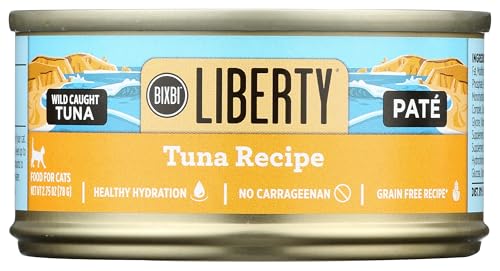
BIXBI Liberty Tuna Pâté Wet Cat Food is the tuna pâté option among these recipes, with each can holding 2.75 ounces. The maker says the food is grain-free, contains no fillers or meat meals, and is 100% complete and balanced. Its small cans may suit households that prefer opening portions separately rather than storing a larger wet-food container. The limitation is the single named tuna recipe: cats that prefer broth texture or a chicken-based recipe may be better matched to another option. Check the calorie content and feeding guide on the can before setting daily portions.
Bottom line: Choose this if your cat prefers tuna pâté in individual small cans.
Liberty Dry Chicken Recipe, 10 lb

Liberty Dry Chicken Recipe, 10 lb is the largest dry-food package here and uses a chicken recipe. The maker describes its chicken as sustainably sourced and cage-free, and says the ingredients are gently steamed in their own juices. It is grain-free, made in the USA, and the maker says independent third-party labs test it for accuracy and safety, including heavy metals and toxins. The 10-pound bag suits buyers seeking a larger package of dry food; it may be a poor fit for cats that only eat wet food or households wanting a smaller bag to keep fresh. Use the package feeding guide to portion by your cat’s weight and needs.
Bottom line: Pick this for a larger package of dry chicken food.
BIXBI Liberty Indoor Chicken & Salmon Dry Food

BIXBI Liberty Indoor Chicken & Salmon Dry Food is the dry option specifically named for indoor cat health, combining chicken and salmon in a 3-pound package. The maker says the recipe is grain-free and uses sustainably sourced cage-free chicken; it also describes gentle steaming and third-party lab testing for safety and accuracy. The smaller bag can make sense for someone who wants a dry recipe without the 10-pound package size. Its chicken-and-salmon combination differs from the chicken-only dry recipe, so it may not suit a cat whose diet needs to avoid one of those proteins. Check the package’s calorie and feeding guidance before portioning.
Bottom line: Choose this if you want a smaller dry-food package labeled for indoor cats.
BIXBI Liberty Tuna & Chicken in Broth

BIXBI Liberty Tuna & Chicken in Broth pairs tuna and chicken in broth, making it the wet option here with a broth texture rather than pâté. Each can is 2.75 ounces, and the maker says the recipe is grain-free, has no fillers or meat meals, and is 100% complete and balanced. This recipe may suit cats that prefer mixed proteins and broth. The tradeoff is that it is not the single-protein tuna pâté recipe; compare ingredients if your cat avoids either named protein. Follow the can’s feeding directions and account for any other food or treats in the daily ration.
Bottom line: Pick this if your cat prefers tuna and chicken served in broth.
How to choose a BIXBI Liberty cat food format
Choose between wet and dry food first, then narrow the choice by recipe and texture. Canned cat foods commonly contain roughly 70% to 80% moisture, while dry foods are typically around 6% to 10%; actual moisture varies by recipe. Wet food adds water through the meal, while dry food is easier to portion and store after opening. Neither format alone determines whether a food is nutritionally suitable: check the package’s statement of nutritional adequacy and intended life stage. For a cat that rejects pâté, a broth-style texture may be worth considering; for a cat that eats only kibble, compare the dry recipes. Do not assume a recipe’s name guarantees a calorie level or special health effect.
How to compare recipes and package sizes
Compare the named proteins against your cat’s established diet and any veterinary guidance. Ingredient names can help identify a recipe, but they do not by themselves establish the amount of protein or calories in a serving. Check the guaranteed analysis and calorie statement on the package when those values matter. Package size also affects how quickly an opened product is used: refrigerate unused canned food promptly and follow its label for storage and discard timing. For dry food, keep the bag sealed and stored in a cool, dry place to limit exposure to air and moisture. If your cat has a diagnosed food allergy or prescribed diet, confirm ingredient suitability with the veterinarian before changing recipes.
Transitioning between cat foods safely
Transition a cat to a new food gradually over about 7 to 10 days; sensitive cats may need longer. Start by mixing a small amount of the new food into the current food, then increase the new portion every few days if the cat is eating normally. A sudden switch can upset digestion, and cats may refuse a texture or flavor they have not encountered before. Keep fresh water available, especially when changing from wet food to dry food. If appetite drops sharply, vomiting or diarrhea persists, or the cat has a medical condition, contact a veterinarian instead of continuing the transition. Use the new package’s feeding guide as a starting point, not a substitute for monitoring body condition and veterinary advice.
Portions, calories and complete nutrition
Use calories per can or cup—not package weight alone—to compare feeding amounts. Cat food energy density varies, so two foods with the same serving weight may provide different calories. The package’s feeding chart is a starting estimate; age, activity, body condition, treats and whether the cat is spayed or neutered can change daily needs. Most adult cats do best when portions are measured rather than freely topped up, particularly when more than one food is offered. A food labeled complete and balanced is intended to provide necessary nutrients when fed as directed for its life stage. Ask a veterinarian before using a food for a kitten, pregnancy, a chronic condition or weight management if the package’s intended life stage is unclear.
Frequently Asked Questions
How long should I transition my cat to a new food?
A gradual transition usually takes about 7 to 10 days. Mix increasing amounts of the new food into the current food, and slow down if your cat develops digestive upset or refuses meals.
Is wet food more hydrating than dry cat food?
Yes, canned food typically contains about 70% to 80% moisture, compared with roughly 6% to 10% for dry food. Keep fresh water available with either format.
Can I mix wet and dry cat food in one day?
Yes, provided the combined portions fit your cat’s daily calorie needs. Use the calorie statements on both packages and include treats in the daily total.
How should I store opened canned cat food?
Refrigerate unused canned food promptly in a covered container. Follow the package’s storage and discard guidance, and avoid leaving wet food at room temperature for extended periods.
How do I know how much cat food to serve?
Start with the feeding guide on the package and measure portions using calories per can or cup. Adjustments may be needed for your cat’s age, activity, body condition and treats.