
Best Spark Plug Cleaner Tools Compared by Features

The Purthog pneumatic spark plug cleaner is the best fit for most people here because its compact 7.48 × 3.25 × 2.71-inch body uses compressed air and abrasive grit to clean deposits. Choose another option if you want a cleaning kit with abrasive included or a tool that also adjusts spark plug gaps.
A pneumatic spark plug cleaner blasts abrasive media at a removed plug; it does not set the electrode gap or replace an inspection for wear.
We earn a commission if you buy through links on this page. As an Amazon Associate I earn from qualifying purchases. Products are compared on manufacturer specifications, not hands-on testing.
- Best overall: Purthog Pneumatic Spark Plug Cleaner – Its compact 7.48 × 3.25 × 2.71-inch body is designed for pneumatic abrasive cleaning.
- Best for included abrasive: ABN Pneumatic Spark Plug Cleaner – The package includes a 1.7 oz bag of abrasive material and a fabric cleaner bag.
- Best for gap adjustment: CNRAQR Cleaner and Gap Tool Kit – The kit pairs a pneumatic cleaner with a gap tool and feeler gauge.
| Product | Best for | Dimensions | Added function | Shop |
|---|---|---|---|---|
| Purthog Pneumatic Spark Plug Cleaner | Compact workspaces | 7.48 × 3.25 × 2.71 in | Wall or pillar mounting | Check Price on Amazon |
| YGDMD Pneumatic Spark Plug Cleaner | Wall mounting | 7.48 × 3.25 × 2.71 in | Wall or pillar mounting | Check Price on Amazon |
| ABN Pneumatic Spark Plug Cleaner | Abrasive included | 8.40 × 3.50 × 3.50 in | Cleaner bag and clamp | Check Price on Amazon |
| SUNEX TOOLS 3912 Spark Plug Cleaner | Two-way valve | 6.26 × 2.72 × 2.48 in | Abrasive and clean-air modes | Check Price on Amazon |
| CNRAQR Cleaner and Gap Tool Kit | Gap adjustments | — | Gap tool and feeler gauge | Check Price on Amazon |
Best Spark Plug Cleaner Tools
Compare the cleaner’s size and included accessories with the extra functions you need in your workspace.
Purthog Pneumatic Spark Plug Cleaner

Purthog Pneumatic Spark Plug Cleaner is a compact pneumatic abrasive cleaner with a 7.48 × 3.25 × 2.71-inch footprint and a design that can mount vertically on a wall or pillar. Its aluminum construction and heavy-duty base are intended to keep the tool stable during use. The maker says high-pressure air propels grit to remove carbon deposits and oil stains from electrodes and threads. Choose it if you want a small, mountable cleaner; the package information here does not establish whether abrasive media or air-line fittings are included, so confirm those before ordering.
Bottom line: Pick this if a compact, mountable pneumatic cleaner is your priority.
YGDMD Pneumatic Spark Plug Cleaner
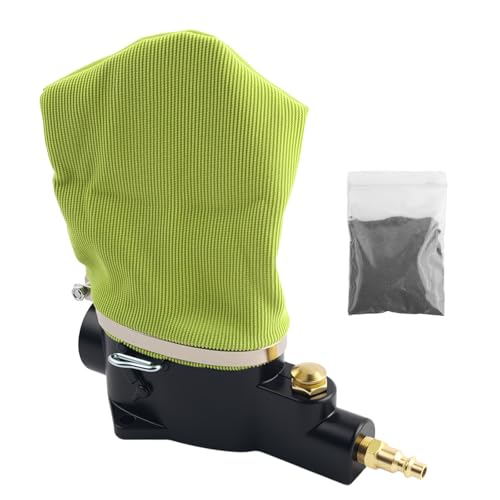
YGDMD Pneumatic Spark Plug Cleaner has the same 7.48 × 3.25 × 2.71-inch dimensions as Purthog Pneumatic Spark Plug Cleaner, with aluminum construction and vertical wall-or-pillar mounting. The maker says it removes carbon deposits, oil stains and impurities, and describes the cleaned electrode as regaining a metallic luster. That makes it a fit for a fixed workshop location where mounting is useful.
Bottom line: Choose this for a wall-mounted cleaner with a focus on deposit removal.
ABN Pneumatic Spark Plug Cleaner
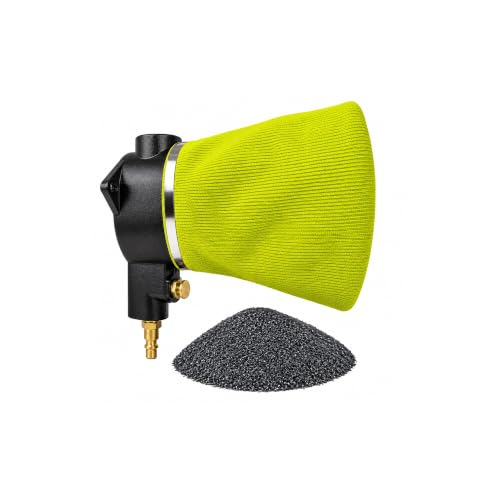
ABN Pneumatic Spark Plug Cleaner stands apart by including a 1.7 oz bag of abrasive material, a fabric cleaner bag and an airbag clamp alongside the pneumatic cleaner. Its dimensions are about 8.40 × 3.50 × 3.50 inches, making it larger than the compact cleaners in this group. The maker describes it for motorcycle, lawn-mower and vehicle spark plugs and advises protective gear during use. Choose this kit if having abrasive and a collection bag in the package matters; it still requires an air hose and union fitting, and the fields say mounting hardware is also required.
Bottom line: Pick this if included abrasive and a fabric collection bag are useful.
SUNEX TOOLS 3912 Spark Plug Cleaner

SUNEX TOOLS 3912 Spark Plug Cleaner is the smallest cleaner by length and has a two-way valve for abrasive blasting and clean-air flow. Its dimensions are 6.26 × 2.72 × 2.48 inches, and the specifications say it cleans all spark plugs. The clean-air mode gives it a distinct function for clearing loose residue after blasting, while its compact size suits limited storage space. The fields do not identify included abrasive media, so buyers who need a ready-to-use supply should confirm that before choosing this cleaner.
Bottom line: Choose this if a compact cleaner with separate blast and clean-air modes suits your workflow.
CNRAQR Cleaner and Gap Tool Kit

CNRAQR Cleaner and Gap Tool Kit is the only option here that combines a pneumatic cleaner with a spark plug gap tool and feeler gauge. The maker gives the gap tool a 0.04–0.88 mm measurement range and describes compatibility with 12–16 mm spark plugs. That combination suits someone maintaining plugs who also needs to measure or adjust gaps, rather than a buyer seeking only a cleaner. The size range does not guarantee fit for every engine; compare the plug’s thread diameter and required gap with the vehicle or equipment specification.
Bottom line: Pick this if you want gap-measuring tools alongside a pneumatic cleaner.
How to choose a spark plug cleaner
Choose by the cleaner’s mechanism and what arrives with it: these options use pneumatic abrasive blasting, while only one combines cleaning with gap adjustment. Abrasive blasting can remove deposits from a removed plug, but it cannot restore a worn electrode or repair cracked ceramic. Before choosing, decide whether you need included abrasive, a collection bag, mounting, or a clean-air mode. A measurable rule: if the plug gap is outside the engine maker’s specified range, use a gauge and adjust only if the plug design permits; a cleaner alone cannot correct that. Check the plug maker’s guidance for fine-wire or precious-metal electrodes before blasting, since abrasive contact may damage delicate electrode surfaces.
How to match plug size and gap
Match the spark plug’s thread diameter and reach to the engine, not just the tool’s broad compatibility wording. A 10, 12, 14 or 16 mm thread describes diameter, but reach, seat style and heat range also need to suit the application. Spark plug gaps are engine-specific; there is no single gap that fits every car, mower or motorcycle. Use a wire-style feeler gauge or the gauge type recommended for the plug, and compare the measured gap with the engine or plug specification. If a gap adjustment would force a fine-wire electrode sideways, do not treat the cleaner’s accessories as permission to bend it.
Safe abrasive cleaning and residue removal
Wear eye protection and work with the plug removed from the engine; compressed-air abrasive can propel grit and loosened carbon. Keep the abrasive stream controlled, avoid breathing dust, and clear residue from the plug before reinstalling it, because loose grit can enter the cylinder. Use a clean-air pass only where the tool provides one, then inspect the ceramic insulator, center electrode and ground electrode under good light. A cracked insulator, rounded or badly eroded electrode, or persistent fouling calls for replacement rather than repeated blasting. Follow the cleaner’s pressure and media requirements, and keep hands clear of the blast outlet.
When to clean or replace a spark plug
Clean a plug only when its construction and the engine or plug maker’s guidance allow abrasive servicing; many modern fine-wire plugs are better replaced than blasted. Carbon fouling can be a symptom rather than the root problem, so recurring deposits warrant checking ignition, fuel mixture and oil consumption instead of repeated cleaning. Replace a plug with damaged ceramic, eroded electrodes or an electrode that cannot hold its specified gap. Keep track of the correct gap and plug type for each engine, because plugs that fit the same wrench may differ in reach, seat and heat range. A cleaner removes deposits; it does not diagnose why they formed.
Frequently Asked Questions
Can a spark plug cleaner fix a worn spark plug?
No, abrasive cleaning removes deposits but cannot restore eroded electrodes or cracked ceramic. Replace a plug if the electrode is badly rounded or the insulator is damaged.
Do all spark plugs use the same gap?
No, the required gap depends on the engine and plug specification. Measure with a feeler gauge and use the specified value rather than a universal setting.
Should fine-wire spark plugs be sandblasted?
Check the plug maker’s guidance before abrasive cleaning; delicate fine-wire electrodes can be damaged by abrasive contact. Replace a fouled plug if its maker does not recommend blasting.
What safety gear should I wear when cleaning plugs?
Wear eye protection and avoid breathing abrasive dust when using compressed air. Clean a removed plug in a controlled area and clear grit before reinstalling it.
Does cleaning remove the reason a plug fouled?
No, cleaning removes deposits but does not fix the cause. If deposits return, inspect the engine’s ignition, fuel mixture and oil consumption.