
Epoxy Paint for Wood: Marine and Floor Options

For wood in marine bilges, TotalBoat TotalBilge Gray is the closest match because it is an epoxy paint made for boat compartments and can be applied to prepared wood. For a wood floor, Epoxy Colored Sand Floor Paint is the more relevant coating; the clear resin kits are for tabletop-style projects, while Rust-Oleum Marine Topside White is a non-epoxy topside paint.
We earn a commission if you buy through links on this page. As an Amazon Associate I earn from qualifying purchases. Products are compared on manufacturer specifications, not hands-on testing.
- Best overall: TotalBoat TotalBilge Gray – Marine epoxy bilge paint is specified for prepared wood as well as fiberglass and metal.
- Best for wood floors: Epoxy Colored Sand Floor Paint – The gray epoxy floor coating lists wood among its compatible surfaces.
- Best for clear tabletops: TAKIMO 1-Gallon Clear Epoxy Resin – The 1-gallon 1:1 resin kit is intended for coating and tabletop projects.
| Product | Best for | Type | Color | Size | Shop |
|---|---|---|---|---|---|
| TotalBoat TotalBilge Gray | Marine compartments | Marine epoxy bilge paint | Gray | 32 fl oz | Check Price on Amazon |
| Epoxy Colored Sand Floor Paint | Wood floors | Epoxy floor coating | Gray | 105.01 fl oz | Check Price on Amazon |
| TAKIMO 1-Gallon Clear Epoxy Resin | Large clear projects | Clear epoxy resin | Crystal clear | 128 fl oz | Check Price on Amazon |
| JANCHUN 16-oz Clear Epoxy Resin | Small clear projects | Clear epoxy resin | Clear | 16 fl oz | Check Price on Amazon |
| Rust-Oleum Marine Topside White | Above-waterline wood | Marine topside paint | White | 32 fl oz | Check Price on Amazon |
Epoxy Paint for Wood Options
Match the coating to the wood’s setting and intended finish before choosing a product.
TotalBoat TotalBilge Gray

Unlike a floor coating or clear casting resin, this is a marine epoxy paint intended for bilges and other boat compartments. The manufacturer says it resists chemicals, oils, acids, alkyds, and solvents; it can be brushed, rolled, or sprayed onto prepared wood, fiberglass, or metal. It is the most direct fit for wood inside a boat, including bulkheads and storage areas. The gray color can make leaks and dropped items easier to spot. Its intended setting is a boat compartment, so choose another type for a decorative tabletop or a general indoor floor.
Bottom line: Choose this for prepared wood in a boat bilge or compartment.
Epoxy Colored Sand Floor Paint
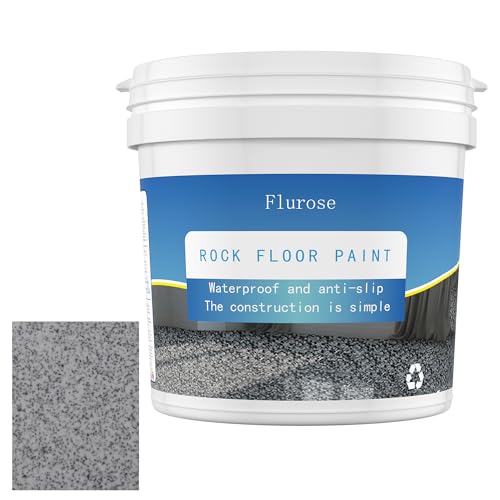
For a floor rather than a boat compartment, this gray epoxy coating lists wood among its compatible surfaces and is intended for interior and exterior floor areas. The maker gives approximate coverage of 19.5 sq. ft. per coat for the 105-ounce kit, with actual coverage affected by surface condition and application thickness. Its wear-resistant, non-slip marble-effect finish distinguishes it from clear tabletop resins. This is the more relevant choice for a workshop, basement, or balcony floor. The finish is decorative and textured rather than a clear, glass-like coating for furniture.
Bottom line: Pick this for a wood floor where a gray, textured finish suits the space.
TAKIMO 1-Gallon Clear Epoxy Resin

This is a clear epoxy resin kit, not a labeled floor or marine paint, and its 1-gallon size separates it from the smaller resin kit here. The maker describes a 1:1-by-volume mix, self-leveling behavior, and use for coating and tabletop projects; its UV-resistance claims are the maker’s. It may suit a clear coating project on wood when the project calls for resin rather than paint. It does not provide a colored paint finish, and the maker does not identify it as a floor or bilge coating, so keep it to suitable craft or tabletop applications.
Bottom line: Choose this for a large clear tabletop-style resin project, not painted floors.
JANCHUN 16-oz Clear Epoxy Resin

This smaller kit is a clear coating and casting resin rather than an epoxy paint, with a set of mixing accessories that distinguishes it from the larger resin option. The maker describes a 1:1 mix, self-leveling formula, and anti-yellowing properties, and the package includes cups, sticks, droppers, and gloves. Its 16-fluid-ounce size is suited to smaller craft or coating jobs when clear resin is the intended finish. It is not the right match when a project needs colored floor paint or a marine bilge coating for prepared wood.
Bottom line: Choose this for a small clear resin project with included mixing accessories.
Rust-Oleum Marine Topside White

Its oil-based formula is specified for fiberglass, wood, or metal; the maker says it resists abrasion and extreme weather and provides UV protection. The semi-gloss white finish and above-waterline use distinguish it from the gray bilge paint. It suits exposed boat wood that needs a topside finish, not submerged areas or bilges. The maker gives touch-dry time of 1 to 2 hours and coverage up to 100 sq. ft.
Bottom line: Choose this for above-waterline wood when an oil-based marine finish is appropriate.
How to choose epoxy paint for wood
Start with where the wood will be used: bilge paint, floor coating, and clear casting resin serve different jobs. A bilge coating is meant for boat compartments; a floor coating is intended for walking surfaces; casting resin is used for clear projects such as tabletops. Check that the product specifically names the substrate and setting you need, then compare color, finish, and stated coverage. For the floor kit, the maker estimates about 19.5 sq. ft. per coat, but rough or porous surfaces can require more material. Do not choose by the word “epoxy” alone: it can describe different coating systems, and a topside marine paint is not necessarily epoxy.
Wood surface preparation and fit
Wood absorbs coatings differently depending on species, grain, moisture, and prior finish, so surface preparation affects adhesion and appearance. Remove dust, dirt, oil, and loose coating; smooth rough areas and let repairs or cleaning dry before coating. A moisture meter gives a useful reading, but acceptable moisture limits depend on the coating maker and use, so verify the required limit before applying. Test the chosen coating on a small, inconspicuous area if color or absorption matters. For floors, make sure the wood is sound and firmly secured; movement in loose boards can stress a hard coating. For boat compartments, use a coating specifically intended for that marine location rather than assuming a floor product is interchangeable.
Epoxy paint, resin, and marine paint compared
Epoxy paint generally combines a resin and hardener to form a cured coating, while clear casting resin is formulated for pours or surface coatings and may have different application limits. Marine topside paint is intended for above-waterline surfaces, not bilges. The product type and setting are the useful dividing lines; similar words on a label do not establish interchangeability.
Use this quick comparison to match the coating family to the job.
| Need | Coating type | Fit rule |
|---|---|---|
| Boat bilge wood | Marine bilge epoxy paint | Use a product that names bilges and prepared wood |
| Wood floor | Floor epoxy coating | Check that wood is a compatible surface and review coverage |
| Clear tabletop | Casting or coating resin | Choose only when a clear resin finish is intended |
| Exposed boat wood above water | Topside marine paint | Keep it above the waterline |
Safe application and curing
Ventilation and skin protection matter when mixing and applying epoxy coatings or resins. Follow the product’s safety directions, keep the work area ventilated, and avoid skin contact; use the gloves and other protective equipment called for by the product. Keep uncured components away from children and pets, and do not assume a dry-to-touch surface is fully cured. Cure time depends on the specific formula, temperature, and application conditions, so do not put a coated floor or tabletop into service until the maker’s full cure period has elapsed. For any coating used on wood that may contact food, verify that the product is explicitly suitable for that use rather than inferring safety from a clear finish.
Frequently Asked Questions
Can epoxy paint go directly on bare wood?
Bare wood usually needs to be clean, dry, and sound before coating, because dust, oil, and moisture can interfere with adhesion. Check the coating’s preparation directions and verify any required wood moisture limit before applying.
How much epoxy floor coating covers 100 square feet?
At the maker’s approximate rate of 19.5 sq. ft. per coat for the floor kit, 100 sq. ft. takes about 5.2 kits for one coat before allowing for waste. Rough or porous wood and thicker application can increase material needs.
Can clear epoxy resin replace wood floor paint?
Not by default: casting or tabletop resin is a different product type from a floor coating. Use a resin on a floor only if its manufacturer expressly approves that substrate and walking-surface use.
Is marine topside paint suitable below the waterline?
No; topside paint is intended for surfaces above the waterline. A boat area below the waterline or inside a bilge needs a coating specifically intended for that location.
How long should epoxy coating cure before use?
Touch-dry time is not the same as full cure, so wait for the product’s cure period before walking on or placing objects on the coating. Temperature and application conditions can affect curing, so verify those limits for the specific coating.