
Anua Cleansing Foam: 3 Formulas Compared by Skin Type

For an Anua cleansing foam, choose Anua Heartleaf Quercetinol Cleansing Foam if you want a daily foaming wash aimed at oily or combination skin; ANUA Hydrating Gentle Foaming Cleanser is positioned for dry and sensitive skin, while Anua PDRN Hyaluronic Acid Cleansing Foam focuses on moisture and has a mildly acidic pH of 6.
These water-based face washes can work as the second step after an oil cleanser, but choose a different product type if you specifically need an oil cleanser to dissolve makeup.
We earn a commission if you buy through links on this page. As an Amazon Associate I earn from qualifying purchases. Products are compared on manufacturer specifications, not hands-on testing.
- Best overall: Anua Heartleaf Quercetinol Cleansing Foam – Its dense Heartleaf foam is made for everyday cleansing on oily and combination skin.
- Best for dry and sensitive skin: ANUA Hydrating Gentle Foaming Cleanser – The formula combines hyaluronic acid and glycerin and is positioned for dry, sensitive skin.
- Best for moisture-focused cleansing: Anua PDRN Hyaluronic Acid Cleansing Foam – The mildly acidic pH 6 formula is paired with hyaluronic acid and a rich foam.
| Product | Best for | Size | Skin type | Notable formula | Shop |
|---|---|---|---|---|---|
| Anua Heartleaf Quercetinol Cleansing Foam | Oily, combination skin | 5.07 fl oz | Oily, combination | Heartleaf, BHA | Check Price on Amazon |
| ANUA Hydrating Gentle Foaming Cleanser | Dry, sensitive skin | 5.07 fl oz | Dry, sensitive | Hyaluronic acid, glycerin | Check Price on Amazon |
| Anua PDRN Hyaluronic Acid Cleansing Foam | Dry-skin moisture | 5.07 fl oz, pack of 2 | Dry skin | PDRN, hyaluronic acid | Check Price on Amazon |
Anua Cleansing Foam Formulas
Compare the intended skin type and formula focus to find a cleanser that fits your routine.
Anua Heartleaf Quercetinol Cleansing Foam

For oily or combination skin, Anua Heartleaf Quercetinol Cleansing Foam is the option in this group explicitly recommended for those skin types. The 5.07 fl oz foaming cleanser combines Heartleaf, Quercetinol, hyaluronic acid and BHA, with a fine, dense foam texture. Anua says it removes impurities and excess sebum with a non-stripping finish and provides gentle exfoliating care. It is intended for everyday use and can serve as a second cleanser after an oil cleanser. Its oily-skin focus may be less relevant if your priority is a dry-skin moisture formula.
Bottom line: Choose this if you want a Heartleaf foam aimed at oily or combination skin.
ANUA Hydrating Gentle Foaming Cleanser

For a dry- or sensitive-skin routine, ANUA Hydrating Gentle Foaming Cleanser stands apart with a formula centered on hydration rather than exfoliating care. The 5.07 fl oz cleanser contains hyaluronic acid and glycerin, plus panthenol and Zinc PCA. Anua says the formula retains moisture for 48 hours after cleansing and balances excess sebum; it also describes the cleanser as non-stripping and tested for irritation on sensitive skin. The brand positions it as a daily face wash and a second step in double cleansing. If you specifically want BHA in a foaming cleanser, Anua Heartleaf Quercetinol Cleansing Foam is the closer match.
Bottom line: Choose this if your cleanser priorities are hydration and a dry- or sensitive-skin fit.
Anua PDRN Hyaluronic Acid Cleansing Foam
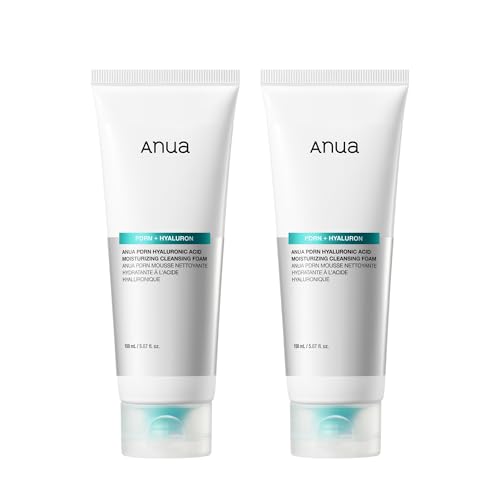
For shoppers who want a moisture-focused option in a two-pack, Anua PDRN Hyaluronic Acid Cleansing Foam pairs PDRN (Salmon DNA) with hyaluronic acid in a rich, cushiony foam. Each cleanser is 5.07 fl oz, and the formula has a mildly acidic pH of 6. Anua says the cleanser is designed to wash gently without stripping and leave skin feeling smooth and soothed. The dry-skin focus and pack format distinguish it from the single-bottle options. Choose another formula if you want the specifications to identify a BHA ingredient or a cleanser specifically described for oily and combination skin.
Bottom line: Choose this if you want a dry-skin-focused cleanser with a mildly acidic pH and two bottles.
How to choose an Anua cleansing foam
Start with your skin’s cleansing needs: Anua Heartleaf Quercetinol Cleansing Foam is aimed at oily and combination skin, while ANUA Hydrating Gentle Foaming Cleanser and Anua PDRN Hyaluronic Acid Cleansing Foam are positioned for dry skin. A foaming cleanser uses surfactants mixed with water to lift oil and residue; the strength and amount of cleansing can vary by formula, so a high-lather wash is not automatically a better fit. A common routine is to cleanse once in the evening, then adjust frequency if your skin feels tight or uncomfortable. For a makeup or water-resistant sunscreen routine, an oil cleanser can be used first, followed by a water-based cleanser. Choose a two-step routine only when you need that extra removal step rather than adding it automatically.
What cleanser pH means for daily use
Skin surface pH is commonly described as mildly acidic, roughly 4.5 to 5.5, while Anua PDRN Hyaluronic Acid Cleansing Foam has a product pH of 6. A cleanser’s pH is only one consideration: how long it stays on skin, how often it is used and the rest of the formula also affect how it feels. A pH 6 cleanser is mildly acidic, but it is not the same as matching the skin’s typical surface range. If your skin is easily irritated, introduce a new cleanser on a limited part of your routine and stop using it if irritation develops. Avoid scrubbing with washcloths or abrasive tools; fingertips and a brief rinse are generally sufficient for face washing.
Foam cleanser versus oil cleanser
A water-based foaming wash and an oil cleanser do different jobs in a routine. Oil cleansers are used on dry skin to loosen makeup and oil-soluble residue, then emulsified and rinsed; a water-based cleanser can follow to wash away remaining residue. A foam cleanser is usually applied to damp skin and rinsed with water. Anua Heartleaf Quercetinol Cleansing Foam and ANUA Hydrating Gentle Foaming Cleanser are single foaming cleansers, while Anua PDRN Hyaluronic Acid Cleansing Foam comes as a pack of two. For routine makeup removal, choose a first-step oil cleanser only if you need it; adding extra cleansing steps can leave skin feeling dry. Avoid applying cleanser to the eye itself unless its label specifically says it is suitable for that area.
Match the formula to your routine
Choose based on the formula focus rather than the word “foam” alone. Anua Heartleaf Quercetinol Cleansing Foam combines Heartleaf, Quercetinol, hyaluronic acid and BHA and is recommended for oily or combination skin; ANUA Hydrating Gentle Foaming Cleanser highlights hyaluronic acid, glycerin, panthenol and Zinc PCA; Anua PDRN Hyaluronic Acid Cleansing Foam pairs PDRN and hyaluronic acid and has a pH of 6. A useful decision rule is to pick a formula intended for your skin type first, then prefer a specific ingredient only if it serves a clear routine need. If you already use leave-on exfoliating products, avoid stacking several exfoliating steps in the same routine until you know how your skin responds. Cleanse gently and rinse thoroughly rather than extending wash time to chase a stronger lather.
Frequently Asked Questions
Can I use Anua cleansing foam every day?
The three foams here are positioned for daily cleansing. Start with once-daily use, especially if your routine already includes other cleansing or exfoliating steps, and reduce frequency if your skin feels persistently tight or irritated.
Should I use cleansing foam after cleansing oil?
A foam cleanser can be the second step after an oil cleanser when you use makeup or want a two-step cleanse. Apply the oil cleanser to dry skin and rinse it before using the foam cleanser according to its directions.
What does pH 6 mean in a face cleanser?
A pH of 6 is mildly acidic and slightly above the commonly cited skin-surface range of about 4.5 to 5.5. pH alone does not determine how a cleanser feels, so consider the formula and your response as well.
Is BHA in a cleanser an exfoliant?
BHA is an exfoliating ingredient, and Anua Heartleaf Quercetinol Cleansing Foam includes BHA for gentle exfoliating care. If you already use a leave-on exfoliant, avoid introducing multiple exfoliating steps at once and pay attention to irritation.
How much cleanser should I use on my face?
Use enough to spread a thin, even layer across the face; a small amount is typically sufficient for a single wash. Follow the product’s directions, keep cleanser out of the eyes, and rinse it off rather than leaving it on like a mask.