
ARTOLF Laser Hair Removal: 4 IPL Devices Compared

For ARTOLF laser hair removal, choose ARTOLF 07Pro IPL if you want the ARTOLF 07Pro IPL device, which claims 24J per pulse and 45°F contact cooling. Choose another device if its treatment schedule, attachments, or cooling approach better suits your routine.
IPL uses pulses of broad-spectrum light rather than a laser beam; hair and skin contrast affects whether a device is suitable.
We earn a commission if you buy through links on this page. As an Amazon Associate I earn from qualifying purchases. Products are compared on manufacturer specifications, not hands-on testing.
- Best overall: ARTOLF 07Pro IPL – It is the ARTOLF 07Pro model and claims 24J per pulse with 45°F contact cooling.
- Best for ice cooling: INNZA IPL Ice Cooling – Its feature set includes a built-in ice cooling function and 999,999 flashes.
- Best for included heads: Braun Silk·Expert Pro 5 IPL5137 – It comes with two treatment heads and a pouch.
| Product | Best for | Cooling | Treatment cadence | Shop |
|---|---|---|---|---|
| ARTOLF 07Pro IPL | ARTOLF model seekers | 45°F contact cooling | Every two days initially | Check Price on Amazon |
| INNZA IPL Ice Cooling | Flash count priority | Built-in ice cooling | 2–3 times weekly initially | Check Price on Amazon |
| Braun Silk·Expert Pro 5 IPL5137 | Two-head kit | — | 2 sessions monthly initially | Check Price on Amazon |
| Ulike Air 10 IPL | Sapphire cooling | Sapphire cooling below 65°F | Every two days initially | Check Price on Amazon |
ARTOLF Laser Hair Removal and Alternatives
Compare the ARTOLF 07Pro with other at-home IPL devices by cooling, included attachments, and the treatment schedule each maker recommends.
ARTOLF 07Pro IPL
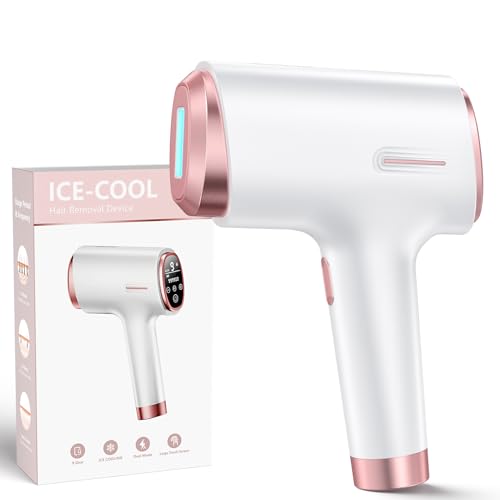
The ARTOLF 07Pro is the only device here identified as ARTOLF, and it combines IPL with contact cooling. Its maker says the contact surface reaches 45°F and claims 24J per pulse; it also recommends use every two days for the first two weeks. That schedule may suit someone willing to begin with frequent sessions. The 94.3% bikini-area hair-reduction figure is a maker claim, not a guarantee. The product name is Finequin, so check the model identity before ordering if ARTOLF branding is essential.
Bottom line: Choose it if you specifically want the ARTOLF 07Pro and can follow an every-other-day starting routine.
INNZA IPL Ice Cooling
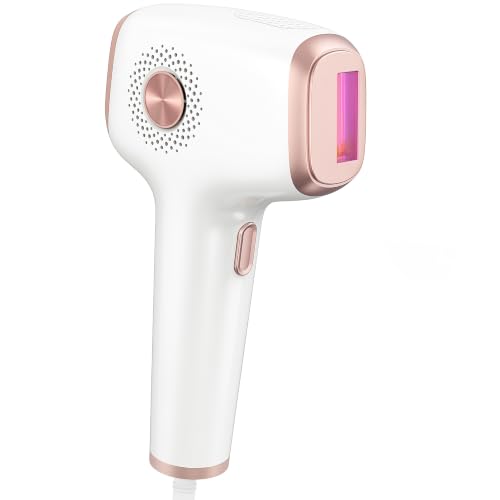
INNZA distinguishes itself with a 999,999-flash count and an ice cooling care function. The device is corded and intended for areas including underarms, legs, arms, and the bikini line. Its suggested routine is two to three sessions weekly for weeks one through three, followed by weekly sessions and then monthly maintenance. The maker also claims 5J/cm² at a 600nm wavelength and reports a hair-growth reduction figure; results vary by person.
Bottom line: Choose it if a high stated flash count and a built-in cooling function are your priorities.
Braun Silk·Expert Pro 5 IPL5137

It is described for full-body use, including legs, arms, underarms, bikini, face, chest, back, and pubic areas. Braun claims up to 95% hair reduction in one month and a 10-minute full-body treatment; those are maker claims and individual outcomes can differ. No cooling feature is given for this model, so buyers who prioritize cooling should compare its kit against devices with an explicit cooling feature.
Bottom line: Choose it if two treatment heads and a twice-monthly initial schedule matter more than a cooling feature.
Ulike Air 10 IPL

Ulike’s Air 10 uses sapphire cooling and claims to keep contact temperature below 65°F during sessions lasting up to 30 minutes. The maker claims visible reduction in four weeks and a 96.52% bikini-area reduction figure. This model may suit a buyer who wants sapphire cooling and multiple modes, but its cooling temperature is not the 45°F figure claimed for the ARTOLF 07Pro.
Bottom line: Choose it if sapphire cooling and the modes are a better fit than the ARTOLF’s claimed contact temperature.
How at-home IPL hair removal works
At-home IPL sends broad-spectrum light into the skin, where pigment in hair absorbs energy; it is not the same as a laser, which uses a more concentrated wavelength. IPL works best when there is a clear contrast between darker hair and lighter skin, because low-pigment blond, red, gray, or white hair absorbs less light. Skin tone compatibility differs by device, so use only a model whose chart includes your tone. A patch test is a useful first step: treat a small area and wait 24 hours before a larger session. Do not flash over tattoos, dark moles, or directly toward the eyes; use eye protection when the maker provides it or requires it.
How to compare cooling and treatment schedules
Cooling features describe different things: a contact plate temperature, sapphire surface cooling, or a general ice cooling function. A lower stated contact temperature can be a meaningful comparison, but it does not establish that every treatment will be painless or suitable for every skin type. Session frequency also differs; the devices here range from every-other-day starts to two or three sessions per week. Compare the complete initial and maintenance schedule rather than the shortest claimed time to results. A practical decision rule is to pick a routine you can consistently complete: if you cannot maintain sessions every two days for two weeks, prioritize a device with a less frequent stated schedule rather than assuming skipped sessions will produce the same result.
How to prepare skin and avoid common mistakes
Shave the treatment area before using IPL so the light reaches pigment within the follicle rather than singeing hair above the skin. Skin should be clean and dry, without self-tanner or products that leave a film; recently tanned skin can raise the risk of irritation or burns. Avoid flashing over broken, irritated, or sunburned skin, and do not overlap pulses repeatedly on the same spot. Start at a level permitted by the device for your skin tone and test a small area first. IPL can cause discomfort, redness, or burns, especially if used on unsuitable skin or over dark marks. Stop if you have a strong reaction and seek medical advice for persistent pain or blistering.
How to plan maintenance between IPL sessions
IPL reduces visible regrowth over a series of sessions; it does not remove every hair permanently in one treatment. Hair grows in cycles, so repeated sessions are intended to treat follicles at different stages, and maintenance may be needed as regrowth appears. Follow the model-specific schedule rather than combining routines from different devices. Keep a simple record of dates and areas treated to avoid accidentally repeating a zone too soon. Before treating facial hair or sensitive areas, confirm that the specific model permits that location and use the appropriate attachment if one is supplied. Do not use IPL over the eyelids, eyebrows, or inside the genital area.
Frequently Asked Questions
Does at-home IPL work on every hair color?
No, IPL works best on darker hair because pigment absorbs the light. Gray, white, red, and many light-blond hairs may respond poorly, so check the device’s hair-color chart before treatment.
How long should I wait after tanning to use IPL?
Avoid IPL on recently tanned or sunburned skin, since increased skin pigment can raise the risk of burns. Wait until the tan or redness has fully faded, and follow the device’s skin-tone guidance.
Should I shave before using an IPL device?
Yes, shave the area first so light is not absorbed by visible hair above the skin. Treat clean, dry skin, and avoid waxing or plucking beforehand because those methods remove the hair from the follicle.
Can I use IPL over tattoos or dark moles?
No, do not flash directly over tattoos or dark moles because concentrated pigment can absorb energy and burn. Cover or avoid those areas, and keep pulses away from the eyes.
How many IPL sessions are needed before maintenance?
There is no single schedule for all IPL devices; the products here describe initial regimens ranging from every two days to two or three times weekly. Follow the specific device’s routine, then use maintenance sessions as regrowth returns.