
Band Aids for Toes: 5 Options by Coverage and Fit

For toe blisters, choose JWHOO Hydrocolloid Toe Pack, 36 Count because its hydrocolloid patches are made for feet and toes; for minor cuts or scrapes, American White Cross Toe Shield, 100 Pack offers flexible fabric toe coverage. A blister bandage cushions a friction spot, while a standard adhesive bandage covers a minor wound.
Choose Snqqmtt Self-Adhering Toe Wraps, 10 Rolls if you need a customizable wrap; its self-adhering material can be torn to the length needed.
We earn a commission if you buy through links on this page. As an Amazon Associate I earn from qualifying purchases. Products are compared on manufacturer specifications, not hands-on testing.
- Best overall: JWHOO Hydrocolloid Toe Pack, 36 Count – A toe-focused hydrocolloid pack designed to cushion foot blisters and reduce friction.
- Best for adjustable wraps: Snqqmtt Self-Adhering Toe Wraps, 10 Rolls – Stretchable, self-adhering 1-inch wrap can be torn to the length needed.
- Best for minor cuts: American White Cross Toe Shield, 100 Pack – Flexible fabric toe-shield bandages offer coverage for minor punctures, cuts, and abrasions.
| Product | Best for | Type | Count | Size or fit | Shop |
|---|---|---|---|---|---|
| JWHOO Hydrocolloid Toe Pack, 36 Count | Toe blisters | Hydrocolloid blister patches | 36 | Feet, toes, heels | Check Price on Amazon |
| Snqqmtt Self-Adhering Toe Wraps, 10 Rolls | Custom toe wraps | Non-woven elastic wrap | 10 rolls | 1 in. wide; 5 yd. stretched | Check Price on Amazon |
| American White Cross Toe Shield, 100 Pack | Minor toe wounds | Flexible fabric toe bandage | 100 | Toe Shield | Check Price on Amazon |
Band Aids for Toes
Match the bandage to the problem: blister patches cushion friction spots, while fabric bandages cover minor wounds.
JWHOO Hydrocolloid Toe Pack, 36 Count

Unlike standard wound strips, this pack is made for foot and toe blisters. The maker says its hydrocolloid patches cushion friction and pressure and create a moisture-rich zone over damaged skin; the pack contains 36 beige patches. The maker also claims the gel structure provides 30% more shock absorption than other blister bandages, a comparison that may not predict comfort for every foot or shoe.
Choose this style for a friction spot rather than a cut that needs an absorbent wound pad. Check that the patch fits the affected area without folding against neighboring toes.
Bottom line: Pick this for a toe blister when a shaped cushioning patch suits the spot.
Snqqmtt Self-Adhering Toe Wraps, 10 Rolls

These rolls give you adjustable coverage instead of a pre-cut adhesive strip. Each colorful roll is 1 inch wide and 5 yards long after stretching; the maker describes the non-woven fabric as breathable and elastic, with a self-adhering finish and no scissors needed. That length can be torn to fit a toe or cover a broader area.
Choose a wrap when you want to control the coverage length, but take care not to pull it tight. A snug wrap can restrict circulation, so leave room for normal toe color and warmth and remove it if the toe becomes numb, cold, or discolored.
Bottom line: Pick these rolls when you need flexible, cut-to-length toe coverage.
American White Cross Toe Shield, 100 Pack
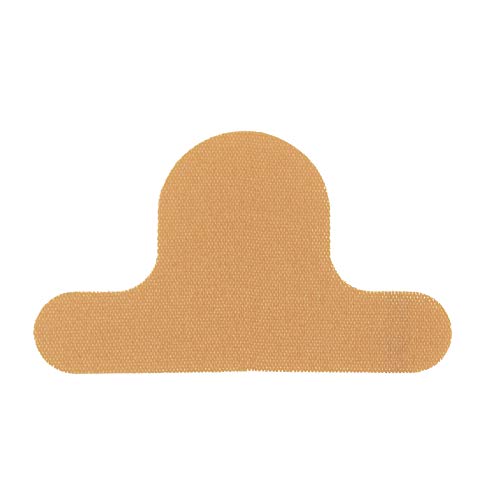
This pack is specifically labeled as a toe shield, unlike the general assorted bandages in the group. It contains 100 elastic fabric bandages intended for minor punctures, cuts, and abrasions; the maker says the weave stretches with movement and the adhesive holds on moist skin. That makes it a useful direction for a minor wound that needs a fabric covering rather than a blister cushion.
The pack information does not give a measured patch dimension, so it may be hard to judge coverage for unusually small toes or wounds near a nail. Use a bandage that covers the wound without wrapping tightly around the toe.
Bottom line: Pick this for a minor toe wound when a toe-shield style is the priority.
How to choose band aids for toes
Choose by wound type first: use a blister patch for a friction spot and an absorbent-pad bandage for a minor cut or scrape. Toe blisters often form where shoes rub, so a patch shaped to cover the contact area may sit better than a broad strip. For a shallow wound, clean it with running water, cover it with a sterile dressing, and replace the dressing if it gets wet or dirty. Avoid placing adhesive directly over a blister that has opened if the pad could stick to the raw surface. If redness spreads, swelling worsens, or drainage appears, seek medical advice rather than relying on another bandage. A toe wrap should stay loose enough to preserve normal color, warmth, and sensation.
Toe bandage types and coverage
Blister patches, fabric strips, and self-adhering wraps solve different coverage problems. Hydrocolloid is a gel-forming dressing used over superficial blisters; a conventional fabric bandage uses an absorbent pad for minor wounds, while a roll lets you set the wrap length. Match the shape to the toe: narrow areas need less bulk, and a dressing that overlaps neighboring toes can rub in shoes. Use this guide to narrow the type before choosing a size.
| Need | Type to consider | Fit check |
|---|---|---|
| Friction blister | Hydrocolloid patch | Edges lie flat around the spot |
| Minor cut or scrape | Fabric bandage with pad | Pad covers wound; adhesive reaches clean skin |
| Variable coverage | Self-adhering wrap | Loose enough to preserve circulation |
Do not use a tight circumferential wrap as a substitute for a correctly sized dressing.
How to fit a bandage on a toe
A good toe fit covers the wound while leaving the toe warm, normally colored, and able to feel touch. Clean and dry the surrounding skin before applying an adhesive bandage; oils and moisture can weaken adhesion. Place the pad over the wound, not the adhesive, and smooth the edges without stretching the strip around the toe. For a roll wrap, use only enough tension to keep the material in place. Recheck the toe after wrapping and loosen or remove the wrap if it becomes numb, cold, pale, blue, or increasingly painful. Shoes add pressure, so test the fit in the footwear you plan to wear; if the bandage bunches or rubs, change its position or choose a lower-bulk type.
When to replace a toe bandage
Replace a wound covering when it becomes wet, dirty, loose, or soaked through, and check the skin at least daily. A clean, dry dressing protects the wound from rubbing and contaminants; leaving a damp bandage in place can irritate surrounding skin. Hydrocolloid blister patches are often left in place until their edges loosen, but remove one sooner if irritation develops or the wound worsens. Do not pull a stuck pad off dry skin; wet it with clean water to help loosen it. Seek medical care for a deep puncture, a wound that will not stop bleeding, signs of infection, or a toe with impaired circulation or sensation. People with diabetes or reduced foot sensation should get professional guidance for even small foot wounds.
Frequently Asked Questions
Can I use a regular bandage on a toe blister?
Yes, a regular bandage can cover a small friction spot, but a hydrocolloid blister patch is designed to cushion rubbing. Choose one that lies flat and does not bunch inside the shoe.
How tight should a bandage wrap be on a toe?
A toe wrap should be snug enough to stay put but not constrict circulation. Loosen it immediately if the toe turns pale or blue, feels cold or numb, or becomes more painful.
When should I change a bandage on a toe?
Change a standard wound bandage if it gets wet, dirty, loose, or soaked through, and inspect the wound daily. A hydrocolloid blister patch can usually stay until its edges lift, unless irritation or worsening symptoms call for earlier removal.
Should I pop a blister before covering it?
No, leave an intact blister unpopped because its roof protects the skin underneath. If it opens on its own, wash gently with clean water and cover it with a sterile, non-stick dressing.
Can people with diabetes use toe bandages?
People with diabetes or reduced foot sensation should ask a clinician how to manage even a small toe wound. Reduced sensation can make rubbing or a tight wrap harder to notice; check the toe and surrounding skin frequently.