
Best Cooling Hats for Hot Weather: 4 Types Compared

The FROGG TOGGS Chilly Pro is the best cooling hat for most outdoor users because its water-activated fabric combines cooling with UPF 50+ sun protection. Choose a breathable skull cap instead if you need a liner under a helmet, or an adjustable sun hat if broader coverage matters more than a cap-style fit.
Cooling hats use either evaporation from wetted fabric or airflow and sweat wicking; they do not replace shade, sunscreen, or regular water breaks in heat.
We earn a commission if you buy through links on this page. As an Amazon Associate I earn from qualifying purchases. Products are compared on manufacturer specifications, not hands-on testing.
- Best overall: FROGG TOGGS Chilly Pro Cooling Hat – Its water-activated fabric offers UPF 50+ protection and a structured brim.
- Best for adjustable sun coverage: Arctic Air Cooling Sun Hat – The sun hat has an adjustable fit and a water-holding evaporative liner.
- Best for helmet liners: QINGLONGLIN Mesh Cooling Skull Cap – The mesh skull cap is designed to fit under hard hats and other helmets.
- Best for adjustable cap fit: MISSION Cooling UPF Performance Hat – A hook-and-loop closure adjusts its S/M cap fit up to the 20.5-inch circumference.
| Product | Best for | Cooling method | Sun protection | Fit | Shop |
|---|---|---|---|---|---|
| FROGG TOGGS Chilly Pro Cooling Hat | Outdoor sun protection | Water-activated fabric | UPF 50+ | Adjustable, one size | Check Price on Amazon |
| Arctic Air Cooling Sun Hat | Travel and sun coverage | Hydro-Chill evaporative liner | UV-reflective fabric | Adjustable, one size | Check Price on Amazon |
| MISSION Cooling UPF Performance Hat | Adjustable cap fit | Sweat- and water-activated | UPF 50 | S/M; 20.5-in circumference | Check Price on Amazon |
| QINGLONGLIN Mesh Cooling Skull Cap | Under-helmet wear | Moisture-wicking mesh | — | One size | Check Price on Amazon |
Cooling Hats for Hot Weather
Choose by how you will wear the hat: water-activated styles cool when damp, while a mesh liner is made for airflow under a helmet.
FROGG TOGGS Chilly Pro Cooling Hat

The FROGG TOGGS Chilly Pro pairs a water-activated cooling fabric with a structured brim and UPF 50+ protection, making it the clearest fit for outdoor work or recreation in direct sun. The maker says the wetted fabric cools up to 30 degrees below average body temperature in under 30 seconds; treat that as a product claim, not a substitute for shade or hydration. Its vented, adjustable design is reusable and machine washable. The limitation is that cooling requires water or perspiration, so it is less convenient when you cannot re-wet the hat.
Bottom line: Pick this for water-activated cooling with a brim and UPF 50+ coverage.
Arctic Air Cooling Sun Hat
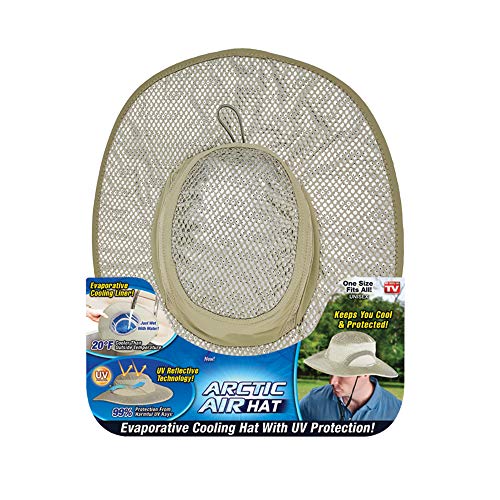
The Arctic Air stands apart with a sun-hat shape and Hydro-Chill liner that holds and gradually releases water, rather than a simple cap-style cooling panel. The maker recommends wetting the liner first and describes the hat as lightweight, breathable, and ventilated; the adjustable one-size fit makes it suited to varied outdoor activities such as boating or hiking.
Bottom line: Choose this if an adjustable sun-hat shape and water-holding liner suit your outings.
MISSION Cooling UPF Performance Hat
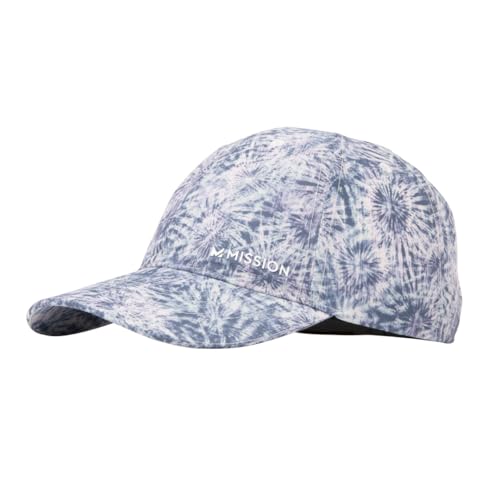
The MISSION Cooling UPF Performance Hat is a cap-style option with sweat- and water-activated technology, UPF 50 protection, and a hook-and-loop closure. Its unstructured design and S/M sizing are aimed at an adjustable adult fit; the circumference is 20.5 inches and expands, though the upper limit is not given. This makes it a useful choice for people who want a familiar cap silhouette rather than a full sun hat. The main limitation is sizing: confirm that the S/M band works for your head before ordering if you need a precise fit.
Bottom line: Pick this for an adjustable performance cap with UPF 50.
QINGLONGLIN Mesh Cooling Skull Cap

The QINGLONGLIN is the only option here specifically shaped as a skull cap and helmet liner, so its priority is a low-profile fit rather than brim coverage. Its 88% polyester and 12% spandex mesh uses ventilation holes, and the maker says the fabric wicks moisture and dries quickly. The three-pack includes black, gray, and blue caps, which can be useful for rotating liners between work or exercise sessions.
Bottom line: Choose this when you need a breathable liner beneath a helmet.
How cooling hats work in hot weather
Water-activated cooling hats use evaporation: as water leaves the fabric, it draws heat from the damp material and nearby skin. Drying is faster in hot, dry, breezy conditions and slower in humid, still air, so cooling duration changes with weather and activity. Sweat-wicking mesh works differently by spreading perspiration across fabric for faster evaporation, while ventilation lets air move beneath a helmet. Neither method actively refrigerates the head. For prolonged heat exposure, use shade and take regular water breaks; a cooling hat is an aid, not a heat-illness safeguard.
Choose a cooling hat by fit and sun coverage
Choose a brimmed design for direct sun and a low-profile liner when a helmet must fit over the hat. UPF 50 fabric blocks about 98% of UV radiation under standardized fabric testing, but coverage still matters: ears and the back of the neck may remain exposed. A skull cap without a UPF rating is not a substitute for a brimmed sun hat when working outdoors. If the hat is meant to fit under hard-hat suspension, try it without bunching material or changing how the helmet sits; never loosen protective headgear to accommodate a liner.
Use this need-to-choice guide to prioritize the feature that matters most.
| Need | Feature to prioritize |
|---|---|
| Helmet-compatible low profile | Stretch mesh skull cap |
| Wetted cooling and rated sun protection | UPF 50 or UPF 50+ cooling cap |
| Water-retaining sun-hat liner | Evaporative lining and adjustable fit |
What UPF ratings mean for outdoor hats
UPF measures how much ultraviolet radiation a fabric allows through; UPF 50 fabric transmits roughly 1/50, or 2%, under the rating test. A hat’s rating does not mean every exposed area is protected, and a wet, stretched, or worn fabric can behave differently from its tested condition. Prefer a brim when face and scalp shade are priorities, and use sunscreen on uncovered skin. UV-reflective fabric is not the same as a numeric UPF rating, so buyers who need a rated level should look for an explicit UPF figure on the hat itself.
Care and safe use of cooling hats
Rinse and wash reusable cooling fabric according to its care label, then let it dry fully before storing to limit lingering moisture and odor. Machine washability is specified for the FROGG TOGGS option; other fabrics may have different care needs. Use clean water to wet a cooling liner and re-wet it when the fabric dries, since evaporation is the mechanism that produces cooling. In high heat, dizziness, confusion, nausea, or faintness can signal heat illness; move to a cooler place and seek urgent help for severe symptoms rather than relying on a hat to manage them.
Frequently Asked Questions
How often should I re-wet a cooling hat?
Re-wet a water-activated hat when its fabric feels dry and the cooling effect fades. Hot, dry air and wind can speed evaporation, while humid conditions slow it.
Do cooling hats work in humid weather?
They can still cool, but evaporation slows when the air is humid. Expect damp fabric to dry more slowly than it would in hot, dry, breezy weather.
Can I wear a cooling hat under a hard hat?
A low-profile skull cap is designed for under-helmet wear, but a wet, thick, or bunched liner can affect helmet fit. The hard hat should remain properly seated with its suspension unchanged.
What does UPF 50 mean on a cooling hat?
UPF 50 fabric transmits about 2% of ultraviolet radiation under standardized testing. It protects only the areas the hat covers, so exposed skin still needs sun protection.
Can a cooling hat prevent heat illness?
No; a cooling hat does not prevent heat illness. Take breaks in shade and drink water, and treat confusion, fainting, or severe symptoms as urgent warning signs.