
Best Metal Roofing Closure Strips for Profile and Placement

For most ribbed-panel roofs, Sthovd 9-Inch Outside Classic Rib Foam is the best starting point because its 9-inch outside foam profile is intended for classic rib roofing. Choose 12-Inch Inside Classic Rib Foam Closures instead for an inside closure, or Metal Roof Vented Ridge Felt, 50 Feet when you need a flexible felt strip beneath a ridge cap.
Metal roofing closure strips fill gaps where panels meet roof edges or caps; the profile and location determine the right type. Match the closure to the exact panel shape before ordering.
We earn a commission if you buy through links on this page. As an Amazon Associate I earn from qualifying purchases. Products are compared on manufacturer specifications, not hands-on testing.
- Best overall: Sthovd 9-Inch Outside Classic Rib Foam – Its outside foam closure is sized for classic rib profiles and comes in a 20-piece package.
- Best for ridge runs: Metal Roof Vented Ridge Felt, 50 Feet – The flexible, self-adhesive felt roll supplies 50 feet for use beneath ridge caps.
- Best for inside placement: 12-Inch Inside Classic Rib Foam Closures – Its 12-inch inside foam profile targets classic rib panel closures.
| Product | Best for | Placement or profile | Material and format | Supplied length or count | Shop |
|---|---|---|---|---|---|
| Sthovd 9-Inch Outside Classic Rib Foam | Outside rib closure | Outside, classic rib | Foam; 20 pieces | 3 ft total | Check Price on Amazon |
| Metal Roof Vented Ridge Felt, 50 Feet | Flexible ridge runs | Beneath ridge cap | Felt; self-adhesive roll | 50 ft total | Check Price on Amazon |
| 12-Inch Inside Classic Rib Foam Closures | Inside rib closure | Inside, classic rib | Foam; 20 pieces | 3 ft total | Check Price on Amazon |
Metal Roofing Closure Strips
Choose a closure by matching its profile and placement to the panel edge or ridge detail it will seal.
Sthovd 9-Inch Outside Classic Rib Foam

For an outside classic rib closure, this set pairs a 9-inch foam profile with a 20-piece package. The strips are self-adhesive, and the maker says the foam is cold resistant and helps reduce noise and air leakage. That makes the format relevant for a roof edge or other detail where a formed piece must match rib spacing. Confirm that the 9-inch profile matches your panel before installation; a closure that does not follow the ribs can leave gaps. This is not the roll-style option for a ridge-cap run.
Bottom line: Pick this when the roof uses a matching classic rib profile and needs an outside foam closure.
Metal Roof Vented Ridge Felt, 50 Feet
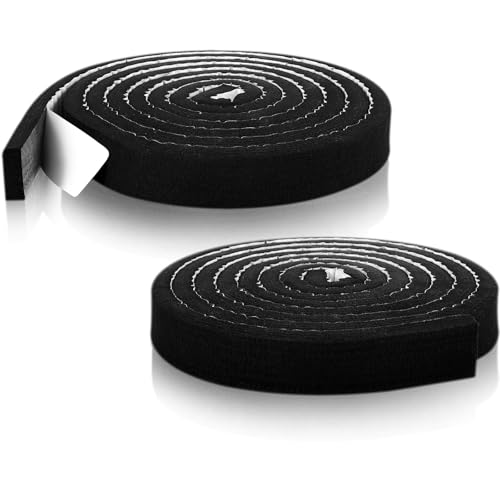
Unlike the molded foam pieces, this option is a 2-inch-wide felt strip supplied as two 25-foot rolls, for 50 feet total. It is intended beneath metal ridge caps, where its flexible form can follow roof contours and be trimmed. The maker says it helps close panel gaps while supporting attic airflow, so it suits ridge details designed to retain a ventilation path. Because this is felt tape rather than a panel-specific foam shape, it is not the direct choice for a ribbed eave closure that needs a formed profile. Apply it to clean metal as directed by the maker.
Bottom line: Choose this for a flexible felt closure beneath a ridge cap where the assembly needs airflow.
12-Inch Inside Classic Rib Foam Closures

For an inside classic rib closure, this package differs from Sthovd 9-Inch Outside Classic Rib Foam by its 12-inch profile and intended placement. It contains 20 self-adhesive foam pieces, with 3 feet total described for the set. The maker says the foam is cold resistant and helps reduce noise and air leakage. Choose it when the panel detail calls for an inside closure rather than an outside one; the position is not interchangeable merely because both products use classic rib foam. Check the actual panel profile and required run length before starting, since a short package may not cover a long roof edge.
Bottom line: Pick this for a matching 12-inch classic rib detail that calls for an inside closure.
How to Choose Metal Roofing Closure Strips
Match the closure to both the panel profile and the roof location; a ribbed edge and a ridge cap call for different solutions. Metal panels have raised ribs and lower flats, so a formed closure must follow those contours rather than merely span the panel width. Measure rib spacing and the height and width of the profile, then compare them with the panel maker’s profile drawing. Foam pieces provide a molded shape, while flexible felt strips can be cut to a run length. If a detail is intended to ventilate, preserve its airflow path instead of sealing it with solid foam.
For a short roof edge, calculate coverage before choosing a package: divide the run length by the usable length of each piece and allow for cuts at corners. A roll can simplify a long straight ridge, but its width does not determine whether it matches the panel profile.
Foam Closures Versus Ridge Felt
Foam closures and ridge felt address different roof details. Formed foam is intended to fill the alternating high and low spaces of a matching rib profile, while flexible felt can follow a ridge-cap contour and be trimmed along a longer run. The foam options here are 9-inch outside and 12-inch inside pieces, and the felt option is 2 inches wide with 50 feet total. Those dimensions describe format, not universal compatibility: panel shapes and ridge assemblies vary.
Use the panel profile and placement as the decision rule. For a ribbed edge requiring a formed shape, choose foam only when its profile and inside-or-outside placement match. For a ridge cap that needs a ventilation path, use a vented ridge closure designed for that assembly; do not substitute solid foam where it would block the vent.
Where Closure Strips Fit on a Metal Roof
Closure strips sit at transitions where panel contours leave openings, commonly at roof edges or beneath ridge caps. At an eave, a matching formed closure can fill the rib gaps; at a ridge, the cap and closure must work with the roof’s ventilation design. The location is as important as strip width because inside and outside closures may face different sides of the panel profile.
Before installation, mark the full run and dry-fit a short section against the panel or cap. Keep closures clear of any intentional intake or exhaust openings, and use the roofing system’s specified fasteners to secure panels and caps. Closures fill gaps; they do not replace fasteners or serve as structural support.
Common Metal Roofing Closure Strip Mistakes
The most common mistake is buying by nominal width without checking rib spacing, rib height, and profile shape. Even a closure wide enough to span a panel can leave channels if its peaks and valleys do not align. A second mistake is treating inside and outside placement as interchangeable; confirm which side of the panel detail the closure is made to fit.
Coverage calculations also prevent short runs: measure the roof edge or ridge in feet, then compare that length with the package’s total usable footage and account for cuts. Avoid compressing a vented ridge detail with solid foam, since blocking designed airflow can undermine the roof assembly’s ventilation. Confirm the panel profile and intended placement before ordering.
Frequently Asked Questions
How do I identify my metal roof panel profile?
Measure the rib spacing and the panel’s high and low points, then compare those dimensions with the closure shape. Panel profiles vary, so a close visual resemblance is not enough to establish fit.
Should closure strips go at the eave or ridge?
The roof detail determines placement: formed foam closures commonly match panel ends at an edge, while ridge closures sit beneath the ridge cap. A ventilated ridge assembly needs an airflow path, so avoid plugging its vent area with solid foam.
Can I trim metal roof closure strips to fit?
Flexible felt strips can be trimmed to length, according to the maker of the roll-style option here. Formed foam still needs to retain the profile shape that fits the ribs, so cutting across that shape can leave gaps.
Do closure strips replace metal roof fasteners?
No; closure strips fill profile gaps, while fasteners secure panels and caps. Keep fasteners appropriate to the roofing system and install them at the specified locations, since a closure does not carry that fastening role.