
Best Pen to Write Checks: 4 Picks for Secure Ink

Carousel Checks Fraud Prevention Gel Pen is the best pen to write checks for most people because its black gel ink is made for checks and is described by the maker as fade- and water-resistant. Choose uni-ball UB-188-L Rollerball if you prefer blue ink; the other options suit specialized uses rather than routine check writing.
Checks are negotiable payment documents, so use permanent ink and fill them out legibly; avoid pencil and erasable ink.
We earn a commission if you buy through links on this page. As an Amazon Associate I earn from qualifying purchases. Products are compared on manufacturer specifications, not hands-on testing.
- Best overall: Carousel Checks Fraud Prevention Gel Pen – Black gel ink is intended for checks and is described as fade- and water-resistant.
- Best for blue ink: uni-ball UB-188-L Rollerball – Its blue Super Ink is described as resistant to fading, water, and chemicals that wash dye-based ink from checks.
- Best for damp paper: Tombow BC-AP20 Pressurized Ballpoint – The pressurized oil-based ballpoint is designed to write on damp paper.
| Product | Best for | Ink | Point or line width | Pack size | Shop |
|---|---|---|---|---|---|
| Carousel Checks Fraud Prevention Gel Pen | Black check writing | Black gel | — | 3 pens | Check Price on Amazon |
| uni-ball UB-188-L Rollerball | Blue ink preference | Blue liquid ink | 0.355–0.55 mm line | 12 pens | Check Price on Amazon |
| Tombow BC-AP20 Pressurized Ballpoint | Damp-paper writing | Oil-based ink | 0.7 mm | 1 pen | Check Price on Amazon |
| Check-Go Replacement Pen | Check-Go owners | Black | — | 4 pens | Check Price on Amazon |
Pens to Write Checks
Choose a permanent-ink pen that suits your preferred color and how you handle checks.
Carousel Checks Fraud Prevention Gel Pen
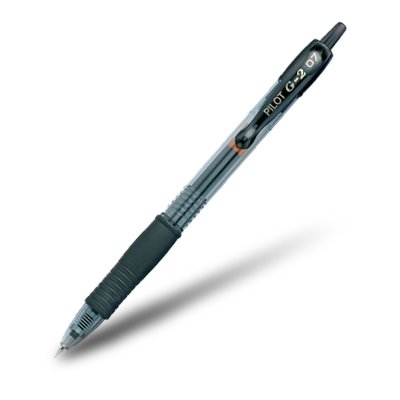
For routine check writing, this three-pen pack stands out because it is specifically intended for checks and uses black gel ink. The maker says the ink resists fading and water, and also names tax forms, contracts, and prescriptions as uses. That makes it a straightforward choice if black ink is your preference and you want the same pen for other paperwork.
The main limitation is color: choose another option if you need or prefer blue ink. As with any pen, write clearly and let the ink dry before stacking or folding the check.
Bottom line: Pick this if you want a black gel pen intended for checks.
uni-ball UB-188-L Rollerball

Unlike the black options, this twelve-pen box uses blue liquid ink, making it the pick for someone who prefers blue when completing checks. The maker calls the formula Super Ink and says it bonds to paper fibers and resists fading, water, and chemicals that can wash dye-based ink from checks. Its line width varies from 0.355 to 0.55 mm with writing pressure, so a light touch makes a finer mark.
Blue is the tradeoff for anyone who specifically wants black ink, and variable pressure can make line thickness less uniform than a fixed-point pen.
Bottom line: Choose this if blue ink and a pressure-responsive line suit your handwriting.
Tombow BC-AP20 Pressurized Ballpoint

This pressurized ballpoint is the specialized choice for writing when paper is damp; its pressure-type oil-based ink is designed to work on damp paper and for overwriting. It has a 0.7 mm point, a 4.8-inch body, and a rubber grip that the maker says is easy to hold while wearing gloves. Those traits make it more suited to portable, less-than-ideal writing conditions than a standard check-only pick.
It is not specifically promoted for checks, and the clear body with oil-based ballpoint ink may not suit buyers seeking a black gel pen. Confirm that the ink color meets your needs before using it on a check.
Bottom line: Pick this for occasional writing on damp paper, not as the default check pen.
Check-Go Replacement Pen

This four-pack is a replacement supply for Check-Go and Check-Go Pro, rather than a general-purpose check-writing pen. Its black color makes it relevant to buyers already using one of those devices, but the product is defined by that compatibility—not by a point size or ink formulation. If you own a Check-Go device, the intended use is the deciding factor.
For someone who simply needs a pen to handwrite checks, this is a poor fit because it is made for a specific device. Verify that your device is a Check-Go or Check-Go Pro before choosing this replacement pack.
Bottom line: Choose this only if you need replacement pens for a Check-Go device.
How to Choose a Pen for Writing Checks
Choose permanent, legible ink and a point that lets you write within the check’s printed fields. Black and blue are the practical choices for handwritten entries; avoid pencil and erasable ink because the writing can be altered or become hard to read. A fine or medium point—often around 0.5 to 0.7 mm—helps fit names and amounts into narrow spaces. If your handwriting is large, a finer point can preserve room; if you press lightly, a gel or rollerball may produce a clear line with less pressure. Let wet ink dry before folding or stacking a check, and do not use a marking pen intended to wash off.
The useful decision rule is simple: choose black ink if you want the clearest match to a black-ink preference, or blue if that is your established check-writing color; do not choose a pen only because its package says permanent.
Ink and Check Alteration Risks
Permanent ink helps make handwritten check entries harder to change than erasable or water-soluble marks, but no pen prevents check fraud by itself. Write the payee and amount promptly, draw a line through unused space after the amount, and avoid leaving a signed check blank. Keep completed checks and unused check stock in a secure place, and review your account activity regularly so an unfamiliar payment can be reported promptly.
Gel inks are often chosen for check writing because some formulations bond to paper and resist washing; product claims vary by formula, so do not treat every gel pen as equivalent. Check the color and ink type before filling a check, and avoid correcting an error with correction fluid. If an entry is wrong, void the check and write a new one rather than making an alteration that could create uncertainty.
Match the Pen to the Writing Situation
A standard check-writing pen should make a clear, permanent line on dry paper; specialized conditions may call for a different tool. A pressurized ballpoint is intended for damp paper, while a device replacement pen serves only the compatible device. The difference matters: a pen that works in rain or on a damp form is not automatically the best everyday choice for a personal check, and a device refill is not a substitute for a normal pen.
The table gives a quick need-to-pen match. Check color and intended use before writing, and use a conventional permanent-ink pen for ordinary checks unless you have a specific reason to use another type.
| Need | Pen type | What to check |
|---|---|---|
| Routine check writing | Permanent gel or rollerball | Ink color and legibility |
| Writing on damp paper | Pressurized ballpoint | Whether the ink color is suitable |
| Refilling a Check-Go device | Compatible replacement pen | Device compatibility |
Common Check-Writing Mistakes
The most common avoidable mistakes are leaving blank space, using erasable ink, and writing an amount unclearly. Fill the amount box close to its left edge and draw a line through any remaining room; this leaves less open space for someone to add digits or words. Write the payee name clearly and use the written amount and numeric amount consistently. Never sign a check before its other fields are complete, and do not sign a blank check.
After writing, let the ink dry and keep the check protected until delivery. If you make a significant mistake, void the check and start over rather than crossing out or covering an amount. A pen can support readable records, but careful completion and timely account monitoring remain important safeguards.
Frequently Asked Questions
Can I use blue ink to write a check?
Yes, blue ink is commonly used for handwritten checks when the writing is clear and permanent. Choose a permanent formula rather than erasable ink, and keep the payee and amount legible.
Is gel ink safe to use on checks?
Permanent gel ink is a common check-writing choice, and some formulas are designed to resist washing or fading. Check the pen’s ink properties rather than assuming every gel ink has the same resistance.
What pen point size works well for checks?
A point around 0.5 to 0.7 mm usually gives enough precision for check fields without making the writing too faint. Choose a finer point if your handwriting needs more room in the printed boxes.
Should I use a permanent marker on a check?
A permanent marker can make strokes too broad for the narrow printed fields, so a fine or medium pen is usually easier to read. Use ink that stays legible and avoid correction fluid if you make an error.
What should I do after making a mistake on a check?
Void the check and write a new one if the payee or amount is wrong. Crossing out an important entry or covering it with correction fluid can make the check unclear.