
Best Shoes to Wear After Hip Replacement: 4 Picks Compared

For most people looking for shoes after hip replacement, Scurtain Women’s Wide Walking Shoe, Size 10 is the closest match because it has a wide toe box and adjustable straps; however, it is a women’s size 10 wide shoe, so check that fit first. People who need men’s sizing or a tool to avoid reaching down should consider a different option.
Shoe choice during recovery also depends on your surgeon’s movement restrictions and your ability to put footwear on safely. These products include footwear and dressing aids, not a substitute for personalized post-surgery guidance.
We earn a commission if you buy through links on this page. As an Amazon Associate I earn from qualifying purchases. Products are compared on manufacturer specifications, not hands-on testing.
- Best overall: Scurtain Women’s Wide Walking Shoe, Size 10 – The wide toe box and adjustable straps distinguish this walking shoe, though it is women’s size 10 wide.
- Best for less bending: Fanwer Adjustable Long-Handled Shoehorn – Its adjustable 16-to-31-inch handle helps reach the heel without stooping as far.
- Best for recovery aids: Sliq 7-Piece Hip Replacement Kit – The kit combines a shoehorn with a sock aid, leg lifter, and other recovery tools.
- Best for men: Spesoul Men’s Barefoot Shoe, Size 11.5 – This men’s shoe has a wide toe box and is size 11.5.
| Product | Best for | Fit or size | Closure or adjustability | Included footwear or aid | Shop |
|---|---|---|---|---|---|
| Scurtain Women’s Wide Walking Shoe, Size 10 | Women’s wide fit | Women’s size 10 wide | Adjustable straps | Walking shoe | Check Price on Amazon |
| Fanwer Adjustable Long-Handled Shoehorn | Less stooping | Adjusts from 16 to 31 in | Telescoping handle | Shoe-dressing aid | Check Price on Amazon |
| Sliq 7-Piece Hip Replacement Kit | Multiple dressing aids | Large | Includes shoehorn and sock aid | Recovery-aid kit | Check Price on Amazon |
| Spesoul Men’s Barefoot Shoe, Size 11.5 | Men’s wide toe box | Men’s size 11.5 | Slip-on; zero drop | Walking shoe | Check Price on Amazon |
Shoes and Dressing Aids for After Hip Replacement
Compare footwear with tools that may make dressing easier while you follow your care team’s movement guidance.
Scurtain Women’s Wide Walking Shoe, Size 10

Among these choices, this is the only women’s walking shoe with a wide fit and adjustable straps. Its roomy toe design and stretchy knit upper are intended to accommodate a range of foot shapes, and the adjustable straps let the wearer change the fit. It may suit someone whose foot fits women’s size 10 wide and who wants a shoe rather than a dressing aid. The main limitation is the fixed size and women’s fit; it will not suit buyers who need another size or men’s sizing. The product features do not establish whether it meets your surgeon’s post-operative footwear guidance.
Bottom line: Choose this if women’s size 10 wide fits and your care team approves the style.
Fanwer Adjustable Long-Handled Shoehorn
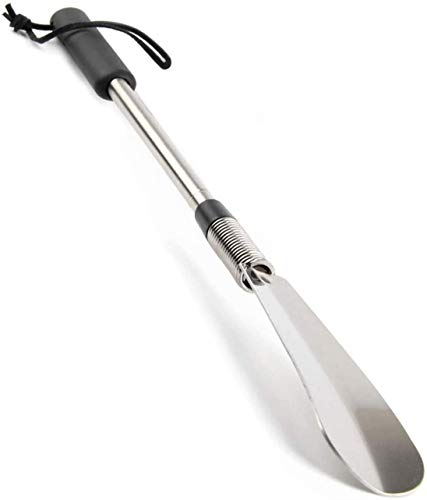
Unlike the footwear options, this is a shoehorn designed to help put on a shoe while reaching farther down. Its stainless-steel handle adjusts from 16 to 31 inches and collapses for carrying. The shoehorn may help people who have difficulty bending to position a shoe at the heel; it does not supply footwear or hold the shoe on the foot. A long handle can reduce the reach required, but it does not guarantee that a movement is allowed after surgery. Use it only within the bending and twisting limits set by your surgeon or physical therapist.
Bottom line: Choose this if you already have suitable shoes and need more reach while dressing.
Sliq 7-Piece Hip Replacement Kit
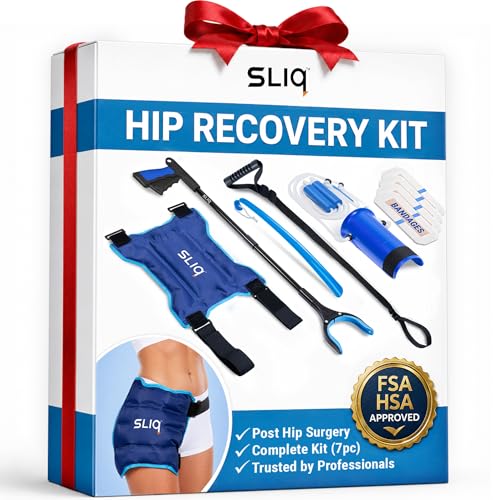
This kit differs from the individual shoehorn by combining several recovery aids, including a sock aid, shoehorn, leg lifter, and a 32-inch grabber. It also includes an ice pack wrap and waterproof bandages. The dressing tools may be useful when reaching the feet or moving a leg is difficult, while the grabber can extend reach for picked-up items. It is a collection of aids, not a pair of shoes, and the kit’s general fit may not match every person’s needs. Confirm with your care team which tools are appropriate for your restrictions.
Bottom line: Choose this if you want several dressing and reach aids in one kit.
Spesoul Men’s Barefoot Shoe, Size 11.5

This men’s shoe provides a different fit option from the women’s size 10 wide walking shoe, with a roomy toe box and slip-on design. Its knit upper is breathable, and its zero-drop sole places the heel and forefoot at the same height. It may suit someone who wears men’s size 11.5 and wants a wide toe area. The minimalist, zero-drop construction is not the same as a supportive or medically recommended post-operative shoe, and the product features do not establish suitability after surgery. Confirm the style with your care team before relying on it during recovery.
Bottom line: Choose this only if men’s size 11.5 fits and the zero-drop style is appropriate for you.
How to choose shoes after hip replacement
Start with the movement limits your surgeon or physical therapist gave you, then choose footwear you can put on without violating them. Some hip-replacement patients receive temporary precautions such as avoiding hip flexion beyond 90 degrees, crossing the legs, or twisting; restrictions depend on the surgical approach and individual plan. A slip-on style or a long-handled shoehorn may reduce reaching, but neither makes a prohibited movement safe. Check that the shoe stays securely on your foot and has a sole that feels stable for your prescribed walking. If a shoe requires forceful bending or balancing on one leg, ask your care team about a safer dressing method.
Fit matters more than a roomy label
A wide toe box can give toes more room, but it does not establish the right length, heel fit, or post-surgery suitability. Try footwear with the socks you expect to wear, and check that toes are not pressed against the front and the heel does not slip during a few steps. Feet can swell after surgery, so adjustable closures may make fit changes easier; a fixed-size shoe has less flexibility. The options here include a women’s size 10 wide shoe and a men’s size 11.5 shoe, so neither should be treated as a universal fit. If swelling or a dressing changes shoe fit, consult your care team before walking in a tight or unstable shoe.
Footwear versus dressing aids
A shoe and a shoehorn solve different problems: footwear supports the foot, while a long-handled shoehorn helps guide a heel into a shoe without reaching as far down. A recovery kit can add a sock aid or leg lifter, but it still does not provide shoes. Use this distinction to avoid choosing an aid when you need footwear, or footwear when the main challenge is dressing.
| Need | What to consider |
|---|---|
| Roomy women’s walking shoe | Women’s size 10 wide adjustable-strap shoe |
| Men’s slip-on shoe | Men’s size 11.5 zero-drop shoe |
| More reach while dressing | Telescoping shoehorn, 16 to 31 inches |
| Several recovery aids | Kit with shoehorn, sock aid, and leg lifter |
Safer dressing during recovery
Use a seated position and keep needed footwear within reach if your care team recommends sitting to dress; avoid twisting or leaning beyond your prescribed limits. A long-handled shoehorn can help with the heel, while a sock aid may address the separate task of putting on socks. Do not assume that a shoe’s slip-on design is safe if it is loose enough to slide off, or that a wide shoe is stable if the heel moves. Follow the walking aid and weight-bearing instructions you were given, and ask your physical therapist to demonstrate shoe and sock techniques if dressing causes pain, loss of balance, or strain.
Frequently Asked Questions
Can I wear slip-on shoes after hip replacement?
Slip-ons may reduce the need to tie laces, but the shoe should still stay securely on your foot. Follow your surgeon’s movement limits, which may include avoiding bending the hip past 90 degrees for a period of recovery.
How can I put on shoes without bending down?
A long-handled shoehorn can help guide the heel into a shoe from farther away; this adjustable model extends from 16 to 31 inches. Sit and use the method your physical therapist recommends, especially if you have limits on bending or twisting.
Are wide shoes better after hip replacement?
A wide toe box can provide more room, but width alone does not ensure correct length, secure heel fit, or surgical suitability. Check fit with your usual socks and ask your care team if swelling or gait changes affect stability.
When can I wear regular shoes again?
There is no single timeline that applies to every hip replacement, because recovery and movement restrictions vary. Ask your surgeon or physical therapist when your footwear and dressing method are appropriate, particularly if you still have precautions.
Should I avoid shoes with laces during recovery?
Laces can require reaching and bending, so some people use slip-ons or a long-handled shoehorn while restrictions apply. Choose a secure fit and use only a dressing technique that stays within your personal movement limits.