
Best Spinal Decompression Machine: 3 Tables Compared

Giztud Motorized Decompression Table is the best fit for most people seeking a spinal decompression machine because its motorized rollers are designed to glide along a horizontal table. These devices apply mechanical traction rather than using an inverted position.
Choose another option if you need a clinician-prescribed traction setup; confirm the force range and body-fit limits before ordering any of these machines.
We earn a commission if you buy through links on this page. As an Amazon Associate I earn from qualifying purchases. Products are compared on manufacturer specifications, not hands-on testing.
- Best overall: Giztud Motorized Decompression Table – Its motorized rollers are designed to reduce friction during a horizontal stretch.
- Best for remote control: Electric Remote Decompression Table – The product features describe electric decompression operated by remote.
- Best for compact footprint: Motorized Decompression Table, 6.5-Inch Backrest – Its dimensions are 47.0 long, 17.0 high, and 6.7 wide; confirm the measurement units before relying on them.
| Product | Best for | Drive | Movement feature | Dimensions | Shop |
|---|---|---|---|---|---|
| Giztud Motorized Decompression Table | Roller glide | Motorized | Smooth rollers | 85.2 × 37.0 × 12.0; units unconfirmed | Check Price on Amazon |
| Electric Remote Decompression Table | Remote operation | Electric linear motor | Remote control | — | Check Price on Amazon |
| Motorized Decompression Table, 6.5-Inch Backrest | Backrest height | Electric linear motor | 6.5-inch backrest | 47.0 × 17.0 × 6.7; units unconfirmed | Check Price on Amazon |
Spinal Decompression Machines Compared
Compare the drive and setup descriptions, then confirm that the traction settings and fit are appropriate for you.
Giztud Motorized Decompression Table
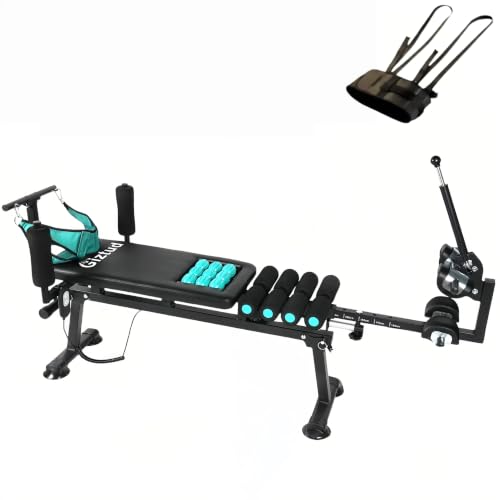
Giztud Motorized Decompression Table stands apart for its motorized rollers, which the maker says minimize friction as the user stretches on a flat, horizontal table. The dimensions are 85.2 long, 37.0 high, and 12.0 wide, though the units are not provided, so confirm them before planning room or body fit. The product also includes transport wheels. This may suit someone prioritizing roller movement and a horizontal setup.
Bottom line: Choose this if roller movement is your priority and a clinician confirms its settings and fit.
Electric Remote Decompression Table

Electric Remote Decompression Table is differentiated by its electric linear motor and remote control, rather than a roller design. The maker says the motor delivers smooth decompression at the touch of a button and describes the table as horizontal. The product name also refers to neck, ankle, knee, and hip stretching, but the facts do not explain how those areas are positioned or secured. This may suit a buyer who wants remote operation, but not someone who needs published dimensions or a clearly specified traction range; confirm both before deciding.
Bottom line: Choose this for remote operation only after confirming the force range and body positioning.
Motorized Decompression Table, 6.5-Inch Backrest

Motorized Decompression Table, 6.5-Inch Backrest is the only option here with a named 6.5-inch backrest height and a set of three dimensions. The maker describes an electric linear motor and a horizontal decompression design. This may suit someone comparing backrest height or planning around a measured footprint. A backrest height alone does not establish whether the table fits a particular body or clinician-directed traction plan.
Bottom line: Choose this if the backrest height matters and the full fit and units are confirmed.
How to Choose a Spinal Decompression Machine
Start with the treatment plan, not the motor: a clinician should determine whether traction is appropriate and what force, direction, and duration to use. Mechanical traction applies a pulling force through body supports; it is not interchangeable with general stretching or exercise equipment. Ask for the prescribed force range and whether lumbar or cervical positioning is intended, then check that a machine actually provides those settings. These products do not supply a force range in the facts provided, so confirm it before purchase. A practical decision rule is to skip any machine that cannot meet the clinician’s specified force or fit requirements; a powered drive alone does not establish suitability.
Spinal Traction Safety and Who Should Avoid It
Get medical guidance before using traction if you have osteoporosis, a spinal fracture, spinal instability, recent spinal surgery, or are pregnant; traction may be inappropriate in these situations. Stop and seek prompt medical assessment for new weakness, loss of bladder or bowel control, or numbness around the groin or saddle area. Traction can also aggravate symptoms if the force or positioning is unsuitable, so a motorized setting should not be treated as a safety feature. Do not use a home machine to diagnose the cause of back or leg pain. A clinician can assess the symptoms and specify whether a supervised trial is suitable.
Horizontal Tables and Inversion Devices Compared
Horizontal traction tables keep the user level, while inversion devices tilt the body head-down; they are different setups, not equivalent forms of treatment. A level position avoids hanging by the ankles, but that alone does not make traction safe or effective for every person. Use the distinction to narrow the device type, then compare the settings and body supports that a clinician recommends. The table below is a type-level guide, not a claim that a particular product provides a clinical outcome.
| Type | Position | What to verify |
|---|---|---|
| Horizontal traction table | Level or horizontal | Force range, supports, fit |
| Inversion device | Head-down tilt | Whether inversion is appropriate |
Fit and Setup for a Decompression Table
Measure the floor space and check the machine’s usable length and width before deciding it will fit; an outside dimension is not the same as the body-support range. Compare the product’s capacity, if available, with the user’s weight and the manufacturer’s limits, and verify those limits before ordering. Here, the facts do not establish a capacity or usable body range, so check both with the seller or manufacturer. Keep the table on a stable, level floor with clearance around moving parts, and make sure the user can get on and off without twisting or falling. Follow clinician guidance for initial positioning and stop if symptoms worsen.
Frequently Asked Questions
Can a spinal decompression machine treat sciatica?
A home traction machine should not be assumed to treat sciatica; the cause of leg pain needs assessment first. A clinician can decide whether traction is suitable and specify the force and position.
How long should I use a home traction machine?
Use only the duration prescribed for your situation; there is no single safe session length for everyone. Stop if pain, tingling, or weakness increases, and contact a clinician before trying again.
Is a horizontal decompression table safer than inversion?
A horizontal table avoids a head-down position, but that does not make it safe for every person. Traction force, body support, and medical conditions still matter, so get clinical guidance first.
Who should avoid spinal traction at home?
People with conditions such as osteoporosis, spinal fracture, instability, recent spinal surgery, or pregnancy should get clinician advice before traction. New leg weakness or loss of bladder or bowel control calls for prompt medical assessment.
What should I verify before using a traction table?
Confirm the device’s force range, body-fit limits, and support setup against the clinician’s plan. Also check that the floor placement is stable and that entering or leaving the table does not require painful twisting.