
Best Sugar Free Protein Shakes: 4 Options Compared

Labrada Lean Body Chocolate, 40g is the closest match for a sugar free protein shake because its maker claims 0 sugar and it provides 40g of protein per 17-ounce shake. Choose another option if you prefer a smaller serving or want a shake with 1g sugar, rather than a zero-sugar claim.
“Sugar free” has a specific labeling threshold in the U.S.; “no added sugar” alone does not mean a product has no naturally occurring sugar.
We earn a commission if you buy through links on this page. As an Amazon Associate I earn from qualifying purchases. Products are compared on manufacturer specifications, not hands-on testing.
- Best overall: Labrada Lean Body Chocolate, 40g – Its maker claims 0 sugar, and each 17-ounce shake provides 40g of protein.
- Best for vitamins: Premier Protein Chocolate, 30g – It has 30g of protein and 24 vitamins and minerals, with no added sugar.
- Best for fiber: Ensure Max Protein French Vanilla – It pairs 30g of protein with 4g of fiber and 1g of sugar.
| Product | Best for | Protein | Sugar claim | Serving size | Shop |
|---|---|---|---|---|---|
| Labrada Lean Body Chocolate, 40g | Higher protein | 40 g | 0 g | 17 fl oz | Check Price on Amazon |
| Premier Protein Chocolate, 30g | Vitamin variety | 30 g | No added sugar | 11.5 fl oz | Check Price on Amazon |
| Ensure Max Protein French Vanilla | Added fiber | 30 g | 1 g | 11 fl oz | Check Price on Amazon |
| Nurri Chocolate, 30g | Milk protein | 30 g | 1 g | 11 fl oz | Check Price on Amazon |
Sugar Free Protein Shakes
Compare each shake’s sugar wording, protein amount, and serving size before choosing.
Labrada Lean Body Chocolate, 40g

For shoppers prioritizing more protein per shake, this 17-ounce Labrada option provides 40g and is the only product here whose maker explicitly claims 0 sugar. It is a ready-to-drink chocolate whey blend, and the maker also identifies it as gluten-free with 22 vitamins and minerals. The larger serving may suit someone who wants a substantial drink, but it is less convenient if you want a smaller bottle; compare the 17-ounce size with the 11-ounce options before deciding. A zero-sugar claim does not mean the product is calorie-free.
Bottom line: Choose it if you want the highest protein amount here and an explicit 0-sugar claim.
Premier Protein Chocolate, 30g

Unlike the shake with an explicit 0-sugar claim, Premier Protein says this chocolate shake has no added sugar; that wording does not establish that total sugars are zero. Each 11.5-ounce serving has 30g of protein and 24 vitamins and minerals, making it a fit for shoppers who value those nutrients and want a smaller ready-to-drink serving than the 17-ounce option. The product is also identified as gluten-free. Choose it only if no added sugar meets your goal, since the sugar wording does not confirm a sugar-free claim.
Bottom line: Pick it if no added sugar and 24 vitamins and minerals matter more than a confirmed zero-sugar claim.
Ensure Max Protein French Vanilla

Ensure Max Protein stands apart with 4g of fiber per 11-ounce shake, alongside 30g of protein and 1g of sugar. The maker says the shake includes a prebiotic and 25 vitamins and minerals, which may appeal to adults comparing more than protein alone. French vanilla is the flavor in this pack. Since it contains 1g of sugar, it is not a strict sugar-free match; it fits better when a low-sugar shake with fiber is acceptable. It also has less protein per serving than the 40g option.
Bottom line: Choose it when 4g of fiber is a priority and 1g of sugar fits your limit.
Nurri Chocolate, 30g
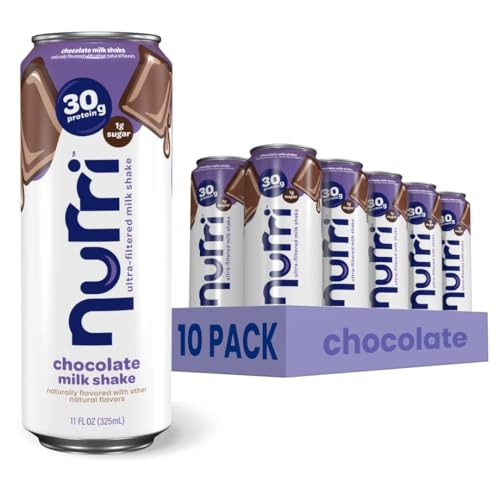
Nurri uses ultra-filtered milk protein and combines 30g of protein with 1g of sugar in an 11-ounce chocolate shake. The maker says it is lactose-free and includes 10 vitamins and minerals, so it may suit someone looking for a dairy-based option formulated without lactose. Its 1g sugar amount means it is a low-sugar alternative, not a strict sugar-free pick. Choose it for its milk-protein format rather than an explicit zero-sugar claim, and consider that it offers 10 vitamins and minerals compared with options listing more.
Bottom line: Pick it if you want lactose-free milk protein and accept 1g of sugar.
How to Choose a Sugar Free Protein Shake
Start with the total-sugar claim, not just the phrase “no added sugar.” Under U.S. FDA labeling rules, a food labeled “sugar free” must contain less than 0.5g of sugars per reference amount and labeled serving; the label must also meet rules about sugar ingredients and qualifying claims. “No added sugar” means sugars were not added during processing, but naturally occurring sugars may remain. A practical decision rule: if you require a strict sugar-free product, choose a shake that explicitly makes that claim and verify its Nutrition Facts panel shows less than 0.5g total sugars per serving. Then compare protein per container and serving size, since a larger bottle can change how much you drink at once.
How Much Protein Should a Shake Have
For most healthy adults, the baseline recommended dietary allowance is 0.8g of protein per kilogram of body weight per day; that is a daily total from food and drinks, not a target for one shake. A 30g shake already provides a substantial portion of that baseline for many adults, while a 40g serving supplies more in a single drink. Needs can differ with age, activity, health, and overall diet. Use the serving size as part of the decision: if the full bottle is more than you want at one time, check whether it is suitable to divide and how that affects the nutrition per portion. Anyone managing a medical condition or a prescribed diet should ask a qualified clinician about protein targets.
Types of Low-Sugar Protein Shakes
Milk-based shakes and whey blends can differ in protein source, lactose status, and serving size, so compare those details alongside sugar. Ultra-filtration concentrates milk protein and can reduce lactose, but “lactose-free” and “sugar-free” describe different things: lactose is milk sugar, while a sugar-free claim is governed by total sugars per serving. The table summarizes the clearest differences among these options; its sugar wording should guide what to verify on a package.
| Option type | What distinguishes it | Best fit |
|---|---|---|
| Whey blend | 40g protein; maker claims 0 sugar | Higher protein with an explicit zero-sugar claim |
| No added sugar shake | 30g protein; no added sugar claim | Shoppers comfortable checking total sugars |
| Milk-based shake | 30g protein; 1g sugar | Shoppers accepting a low-sugar option |
What to Check on a Protein Shake Label
Check total sugars, serving size, and protein on the same Nutrition Facts panel; do not infer one from the front-label wording. A bottle’s full contents may be more than one serving, so make sure the values apply to the amount you plan to drink. Also review the ingredient list for allergens: milk and whey are dairy ingredients, and a gluten-free claim does not mean dairy-free. For shakes with vitamins and minerals, compare the amounts if you already use a multivitamin or fortified foods. If you have a milk allergy, avoid milk-derived protein regardless of whether the shake is lactose-free, because lactose-free does not mean dairy-protein-free.
Frequently Asked Questions
What does sugar free mean on a shake label?
Under FDA labeling rules, a sugar-free food generally must contain less than 0.5g of sugars per labeled serving and reference amount. Check the Nutrition Facts panel because a rounded zero can reflect a small amount below that threshold.
Is no added sugar the same as sugar free?
No. “No added sugar” means sugars were not added during processing, while naturally occurring sugars can still be present. Check total sugars per serving if you need a sugar-free product.
How much protein is in a typical shake?
Ready-to-drink protein shakes commonly provide roughly 15g to 30g per serving, though some provide more. Compare protein by the bottle’s serving size, since package size and serving count can affect the amount you actually drink.
Can I use a protein shake instead of a meal?
A protein shake is not automatically a complete meal; protein alone does not establish that it provides enough calories, fiber, or other nutrients for your needs. Compare the full nutrition panel and use a meal replacement only if it is designed for that purpose.