
Best Tennis Shoes for Stability for Hip Problems

For stability, Wide Toe Box Walking Shoes, Grey/Purple stands out for its wide toe box, removable arch-support insole and high-resilience foam; no shoe can promise to resolve hip pain. Choose another option if you need a shoe specifically built for tennis-court lateral movement, since these descriptions emphasize walking and workouts rather than court construction.
We earn a commission if you buy through links on this page. As an Amazon Associate I earn from qualifying purchases. Products are compared on manufacturer specifications, not hands-on testing.
- Best overall: Wide Toe Box Walking Shoes, Grey/Purple – Combines a wide toe box, removable arch-support insole and high-resilience foam.
- Best for arch support: HOTBEAR Wide Toe Box Sneakers, White/Grey – Pairs a wide toe area with an EVA midsole and arch support.
- Best for extra-wide fit: Extra Wide Non-Slip Sneakers, Purple – Offers an extra wide fit and a spacious toe box.
| Product | Best for | Fit | Cushioning | Traction | Shop |
|---|---|---|---|---|---|
| Wide Toe Box Walking Shoes, Grey/Purple | Roomy toe fit | Wide | High-resilience foam | — | Check Price on Amazon |
| HOTBEAR Wide Toe Box Sneakers, White/Grey | Arch support | Wide | Cushioned EVA midsole | — | Check Price on Amazon |
| Extra Wide Non-Slip Sneakers, Purple | Extra wide fit | Extra wide | EVA air-cushion insole | Slip-resistant PU outsole | Check Price on Amazon |
| Cushion Non-Slip Slip-On Sneakers, Black | Slip-on convenience | — | EVA insole | Slip-resistant PU outsole | Check Price on Amazon |
Tennis Shoes for Stability
Compare fit, cushioning and grip, then prioritize a secure fit suited to your court movement.
Wide Toe Box Walking Shoes, Grey/Purple

A wide toe box and removable arch-support insole distinguish this pair. The maker says its high-resilience foam adds shock absorption and cushioning, while the knit mesh upper promotes airflow. This may suit someone who wants toe room and the option to remove the insole.
Bottom line: Choose this if toe room and a removable arch-support insole are your priorities.
HOTBEAR Wide Toe Box Sneakers, White/Grey
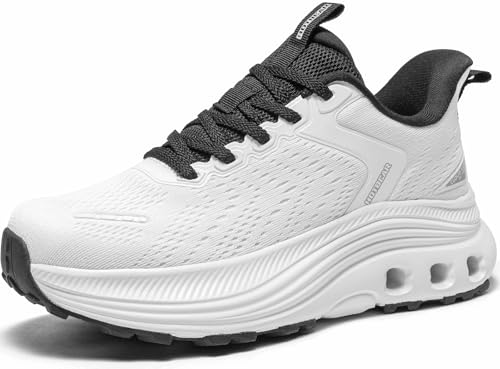
This pair combines a roomy toe area with a cushioned EVA midsole and arch support. The maker says the design is intended for walking and light workouts, and its sizing guidance calls the toe area generously roomy. That makes it a candidate for shoppers seeking space across the forefoot and cushioning rather than a narrow fit. Its maker does not establish tennis-court construction, so frequent lateral movement is a limitation to weigh; confirm court suitability if you plan to play tennis rather than walk or work out.
Bottom line: Pick this when a wide toe area and arch support matter more than a tennis-specific design.
Extra Wide Non-Slip Sneakers, Purple
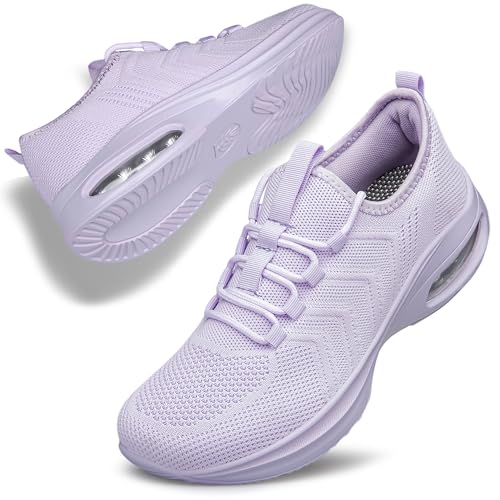
Extra wide sizing sets this pair apart from the other options. The maker says its EVA insole cushions the foot and its slip-resistant PU outsole improves grip on wet pavement and gym floors. The wide interior may suit shoppers who need more forefoot space, and the grip claims may be relevant for general walking. The uses center on walking, workouts and gym activity rather than tennis-specific court play, so players who need lateral support and court traction should verify those features before relying on this pair.
Bottom line: Choose this if extra wide sizing is your main fit requirement.
Cushion Non-Slip Slip-On Sneakers, Black
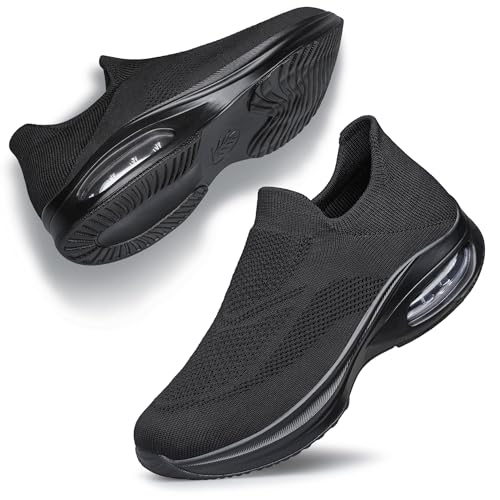
A laceless slip-on design distinguishes this shoe, while its EVA insole and slip-resistant PU outsole are aimed at cushioning and grip. The maker describes it for walking and tennis and says the outsole enhances traction on wet pavement and gym floors. The easy-on format may appeal to someone who values convenience for daily wear. A limitation is the lack of laces: fit adjustment is less flexible, which can matter when a secure hold is needed for quick changes of direction on court.
Bottom line: Pick this for slip-on convenience when its fit feels secure during movement.
How to Choose Stable Tennis Shoes
Start with fit and the movements your play requires, not a promise about hip pain. Tennis involves repeated lateral steps, stops and pivots, so a shoe intended for court use should hold the heel and midfoot securely and provide traction suited to the court surface. Walking shoes can cushion forward steps without offering the same side-to-side containment. A practical rule: if your heel lifts or your foot slides sideways during a controlled shuffle, the fit is too loose for court movement. Cushioning preference varies; extra softness alone does not establish stability or prevent pain.
Fit and Toe Room for Tennis Shoes
Toe room should allow the toes to spread without letting the foot slide inside the shoe. Try shoes with the socks you play in and check both standing and during a lunge-like step; feet can expand during activity, and the heel should remain secure. Wide and extra wide labels describe fit options, but sizing can differ by design, so compare actual comfort rather than assuming the same label fits identically. If the forefoot feels compressed, consider a wider option such as Wide Toe Box Walking Shoes, Grey/Purple or Extra Wide Non-Slip Sneakers, Purple, but avoid compensating for a roomy toe box with a loose heel. Hip discomfort has many possible causes; a shoe fit alone cannot identify or treat the cause, so seek clinical advice for persistent pain.
Tennis-Court Shoes Versus Walking Shoes
Court shoes are built around the demands of lateral movement and court traction, while walking shoes typically emphasize forward movement and everyday cushioning. Outsole tread and rubber compound affect grip and wear: hard courts generally favor durable, grippy outsoles, while clay-court patterns are designed to shed loose surface material. Indoor surfaces may require non-marking soles, so check the venue rules. The options here mention walking, workouts, gym floors or tennis, but those words alone do not confirm a particular court outsole or lateral-support design. Use the table to identify what each shoe emphasizes, then verify court suitability when tennis play is a priority.
These labels summarize the emphasis, not a guarantee of court performance.
| Need | Option emphasis |
|---|---|
| Wide toe room with removable insole | Wide Toe Box Walking Shoes, Grey/Purple |
| Wide fit with arch support | HOTBEAR Wide Toe Box Sneakers, White/Grey |
| Extra wide fit and outsole grip claims | Extra Wide Non-Slip Sneakers, Purple |
| Laceless convenience and grip claims | Cushion Non-Slip Slip-On Sneakers, Black |
When Hip Problems Affect Shoe Choice
Hip pain does not point to one universally correct shoe, and cushioning or arch support cannot be assumed to resolve it. Comfort, foot shape, court surface and the amount of side-to-side movement all affect a sensible choice. If pain changes your gait or worsens during play, pause and ask a qualified clinician about activity and footwear rather than choosing based on a marketing claim. For regular tennis, favor a secure heel and midfoot fit and a shoe suitable for your surface; for mostly walking, prioritize comfortable fit and cushioning. Avoid moving up a size simply to gain width if that lets the heel slip, since sliding can undermine control.
Frequently Asked Questions
Can tennis shoes help with hip pain?
A shoe may feel more comfortable, but it cannot be assumed to treat hip pain. If pain persists, worsens, or changes how you walk, consult a qualified clinician before continuing play.
How much room should tennis shoes have at the toes?
Allow comfortable toe movement without letting the foot slide forward or sideways. Try shoes in your playing socks and check the fit while standing and stepping, not only while seated.
Do non-slip soles work on every tennis court?
No; grip depends on the outsole and the playing surface. Indoor facilities may also require non-marking soles, so check venue rules before playing.
Should I size up for a wide toe box?
Not automatically; a larger size can leave the heel loose even if the forefoot feels roomier. Compare width options and keep the heel secure during a side step.