
Best Vinyl Siding Restorer: 3 Kit Sizes Compared

Vinyl Renu 1-Gallon Kit suits most homeowners because its 1-gallon kit is a smaller starting quantity than the 5-gallon pails. Choose a different package if you have a larger siding project or want a kit that includes cleaner.
Vinyl siding restorers are products intended to revive the appearance of faded siding; surface cleaning and condition affect the result.
We earn a commission if you buy through links on this page. As an Amazon Associate I earn from qualifying purchases. Products are compared on manufacturer specifications, not hands-on testing.
- Best overall: Vinyl Renu 1-Gallon Kit – The 1-gallon kit is a smaller package than the 5-gallon pails.
- Best for included cleaner: Vinyl Renu 5-Gallon Kit with Cleaner – This 5-gallon option includes a cleaner.
| Product | Best for | Package size | Shop |
|---|---|---|---|
| Vinyl Renu 1-Gallon Kit | Smaller projects | 128 fl oz | Check Price on Amazon |
| Seal It Green Vinyl Renu 5-Gallon Pail | Larger projects | 640 fl oz | Check Price on Amazon |
| Vinyl Renu 5-Gallon Kit with Cleaner | Cleaner included | 640 fl oz | Check Price on Amazon |
Vinyl Siding Restorers Compared
Compare the package quantities and included prep product before choosing a kit.
Vinyl Renu 1-Gallon Kit

The 1-gallon size sets this kit apart from the two 5-gallon pails, making it a sensible starting quantity for a smaller project. The maker says the formula is for vinyl, metal, and Hardie siding and recommends applying it once every ten years. This option may suit a homeowner who wants the named siding-restoration product without a five-gallon package. Confirm the coverage needed for your siding before ordering.
Bottom line: Pick this for a smaller project when a 1-gallon package is the better fit.
Seal It Green Vinyl Renu 5-Gallon Pail
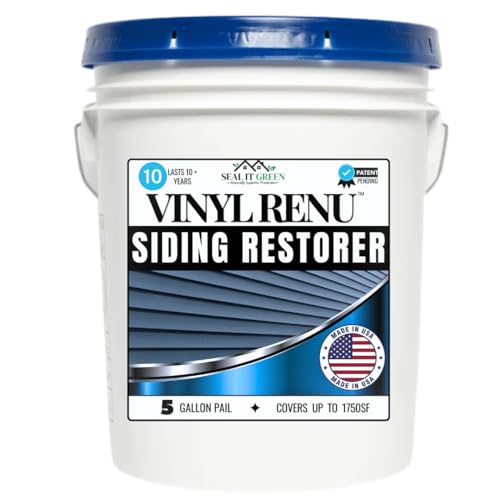
The 5-gallon pail provides five times the volume of the 1-gallon kit, which may better suit a larger siding job. The maker says the product is intended for vinyl, metal, and Hardie siding and recommends applying it once every ten years. Choose this package when project scale makes a single gallon impractical. A larger container is not automatically the right choice for every home: without a coverage rate, the quantity needed cannot be determined from the package size alone. Confirm the required coverage before ordering, especially if you are comparing it with a smaller kit.
Bottom line: Choose this when the larger pail better matches your project scale.
Vinyl Renu 5-Gallon Kit with Cleaner

The included cleaner distinguishes this 5-gallon kit from the other Vinyl Renu options here. The maker says its restorer is intended for vinyl, metal, and Hardie siding and recommends applying it once every ten years. This option can suit buyers who want a cleaner packaged with the restorer as part of their prep plan. The 640-fluid-ounce quantity is substantial, so it may be more than a small siding project calls for.
Bottom line: Pick this if you want a 5-gallon pail that includes cleaner.
How to Choose a Vinyl Siding Restorer
Start with the surface and the package quantity: a siding restorer is not the same thing as a cleaner. Dirt, mildew, and loose residue can interfere with a finish, so clean the siding before applying a restorative product and let it dry. Vinyl siding is PVC, and its surface can develop a chalky oxidized layer with weather exposure; a cleaner removes soil, while a restorer is intended to change the appearance of a faded surface. Decide whether you need a prep cleaner included or already have a suitable cleaner. Then compare package size with the measured project area. Since coverage is not provided for these kits, confirm the coverage needed before ordering rather than assuming one gallon or five gallons will be enough.
Preparing Vinyl Siding Before Restoration
Remove surface dirt before restoration, using mild detergent, water, and a soft brush rather than an abrasive pad. Work from the bottom upward when washing to reduce streaking, then rinse from the top down so cleaner does not dry on the siding. Keep spray directed downward and avoid aiming a pressure washer upward at laps, seams, or openings; water forced behind siding can reach the wall assembly. Check for loose panels, damaged caulk, or failed trim before applying a product, because a restorer does not repair those conditions. Test the planned cleaning approach on an inconspicuous area first, particularly when the siding has an older finish or has been painted. Let the surface dry fully before applying any restoration product.
Choosing Between One-Gallon and Five-Gallon Kits
Package size is the main difference among these exact-match options: the one-gallon kit holds 128 fluid ounces, while each pail holds 640 fluid ounces. Use the smaller kit when you are treating a limited area or want to avoid storing a larger container; consider a pail for a broader job or when the included cleaner matters. Measure the siding area you intend to treat and compare it with the maker’s coverage directions before purchase. Siding area is not the same as the home’s floor area: gables, windows, doors, and the number of stories change the amount of exterior surface.
Frequently Asked Questions
How should vinyl siding be cleaned before restoration?
Use water, mild detergent, and a soft brush to remove dirt before restoration. Rinse thoroughly and allow the siding to dry; avoid abrasive tools that can scratch the surface.
Can a pressure washer damage vinyl siding?
Yes, a high-pressure spray aimed upward at seams or laps can drive water behind the siding. Keep the spray directed downward and use a gentle approach around openings and trim.
How do I estimate how much siding needs treatment?
Measure the exterior wall areas to be treated, accounting for gables and subtracting large windows and doors. Compare that area with the product’s coverage directions because package volume alone does not show how much surface it will cover.
What does chalky vinyl siding mean?
A chalky film can result from oxidation as vinyl ages outdoors. Clean a small inconspicuous area first to distinguish removable dirt from a surface change before selecting a restoration approach.