
The Body Shop Banana Shampoo: Sizes and Set Compared

The Body Shop Banana Truly Nourishing Shampoo in the 13.5-ounce bottle is the best match for most shoppers who want the largest single-bottle option for dry, frizz-prone hair.
Choose the 8.4-ounce shampoo for a smaller bottle, or the duo if you want conditioner alongside shampoo; a separate conditioner is not a shampoo substitute.
We earn a commission if you buy through links on this page. As an Amazon Associate I earn from qualifying purchases. Products are compared on manufacturer specifications, not hands-on testing.
- Best overall: Banana Truly Nourishing Shampoo, 13.5 oz – The 13.5-ounce single shampoo bottle is larger than the 8.4-ounce option.
- Best for a duo: Banana Shampoo & Conditioner Set, 8.4 oz each – The set combines shampoo and conditioner, each in an 8.4-ounce bottle.
- Best for a smaller bottle: Banana Shampoo, 8.4 oz – The single shampoo comes in an 8.4-ounce size.
| Product | Best for | Format | Size | Hair focus | Shop |
|---|---|---|---|---|---|
| Banana Truly Nourishing Shampoo, 13.5 oz | Larger single bottle | Shampoo | 13.5 fl oz | Dry, frizz-prone | Check Price on Amazon |
| Banana Shampoo & Conditioner Set, 8.4 oz each | Shampoo and conditioner | Shampoo + conditioner | 8.4 fl oz each | Dry, frizzy | Check Price on Amazon |
| Banana Shampoo, 8.4 oz | Smaller single bottle | Shampoo | 8.4 oz | Dry, frizz-prone | Check Price on Amazon |
The Body Shop banana shampoo options
Compare the available shampoo formats and choose by bottle size or whether you want conditioner in the same set.
Banana Truly Nourishing Shampoo, 13.5 oz
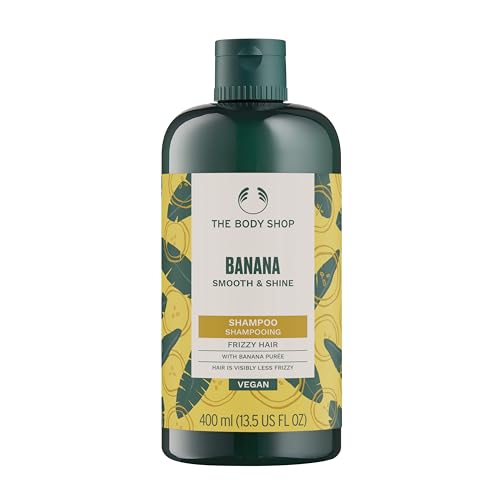
The 13.5-ounce single bottle is the largest banana shampoo option here, making it a straightforward choice if you want shampoo without a bundled conditioner. The formula is described as gently cleansing and intended for dry hair prone to frizz; it contains 91% natural-origin ingredients and vegan silk protein. The brand says it helps hair feel nourished and look smoother and less frizzy. This pick suits shoppers prioritizing a larger bottle, but those who want a matched conditioner in the same purchase should consider the duo instead.
Bottom line: Choose this if you want the larger single shampoo bottle for dry, frizz-prone hair.
Banana Shampoo & Conditioner Set, 8.4 oz each

The shampoo-and-conditioner pairing is the only option here that supplies both steps in one set, with an 8.4-ounce bottle of each. The shampoo is identified as vegan and containing vegan silk protein, and the set is aimed at dry, frizzy hair. It makes sense for shoppers who want conditioner alongside the banana shampoo rather than selecting a shampoo bottle alone. The tradeoff is format: someone seeking just shampoo or a larger single bottle may prefer one of the standalone sizes.
Bottom line: Pick the set if you want shampoo and conditioner together in matching sizes.
Banana Shampoo, 8.4 oz

The 8.4-ounce bottle offers the smaller standalone shampoo format, unlike the larger 13.5-ounce bottle or the shampoo-conditioner set. It is described as a vegan shampoo for dry, frizz-prone hair, with 91% natural-origin ingredients and vegan silk protein. That makes it a good fit when you want the banana shampoo without adding conditioner or committing to the larger single bottle. Its smaller size means it provides less shampoo than the 13.5-ounce option, so shoppers seeking a larger supply should compare that bottle instead.
Bottom line: Choose this if a smaller standalone bottle is the priority.
How to choose a banana shampoo format
Choose between a standalone bottle and a duo based on whether you want conditioner included. The shampoo-only choices come in 8.4- and 13.5-ounce sizes, while the set pairs two 8.4-ounce bottles. A simple decision rule is to pick the 13.5-ounce bottle if you want the largest single shampoo size; choose the 8.4-ounce shampoo if you prefer the smaller standalone format. The set is the clear fit when you want both shampoo and conditioner together. Shampoo cleanses the hair and scalp, while conditioner is generally applied to the lengths to help with slip and manageability; keep conditioner off the scalp if roots get oily easily.
What to know about dry, frizz-prone hair
Frizz often becomes more noticeable when hair is dry, porous, or exposed to humidity, so gentle cleansing and conditioning the lengths can support smoother-feeling hair. The banana shampoo options are positioned for dry, frizz-prone hair, and the standalone shampoos are described as containing vegan silk protein. Use lukewarm rather than hot water, which can strip surface oils, and concentrate shampoo on the scalp rather than repeatedly scrubbing the ends. Hair texture, chemical processing, and local humidity all affect how much conditioning is comfortable; fine hair may need less conditioner than coarse or tightly curled hair.
Shampoo and conditioner formats compared
The main difference is whether conditioner is part of the purchase, not the banana shampoo focus. Use this guide to match the format to your routine.
| Format | What it includes | Choose when |
|---|---|---|
| Standalone shampoo | One shampoo bottle | You already have a conditioner |
| Shampoo and conditioner set | One bottle of each | You want both products together |
| Conditioner alone | One conditioner bottle | You already have shampoo |
Conditioner is not a substitute for shampoo: shampoo is used to cleanse, while conditioner is typically worked through the mid-lengths and ends after washing. A common mistake is applying rich conditioner at the roots when the goal is volume; keeping it to the lengths can reduce that weighed-down feeling.
Frequently Asked Questions
How much shampoo should I use each wash?
A quarter-size amount is a common starting point for shoulder-length hair, with more needed for long or thick hair. Focus the lather on the scalp, then rinse thoroughly rather than adding repeated large amounts.
Should I use conditioner after banana shampoo?
Conditioner is useful after shampoo when dry or frizz-prone lengths need more slip. Apply it mainly from mid-lengths to ends, and use less near the roots if your hair gets oily or flat.
Can I use banana shampoo on color-treated hair?
Many color-treated hair routines use sulfate-free shampoo to help limit color fade, but the product facts here do not establish sulfate content. Check the ingredient panel if sulfate avoidance matters for your color-care routine.
How often should I wash dry, frizzy hair?
Two or three washes per week is a common starting schedule for dry hair, then adjust for scalp oil, exercise, and styling buildup. More frequent washing may suit an oily scalp, while dry or curly lengths may do better with fewer washes.