
Botanique Paris Eye Therapy: 5 Options Compared

For Botanique Paris eye therapy, BOTANIQUE PARIS RevitalEyes Tool is the closest fit for shoppers seeking a standalone light-based under eye tool. Choose BOTANIQUE PARIS RevitalEyes Device Bundle instead for a device-and-cream routine, or a micro-infusion product if you want an applicator-based format rather than light-based care.
These products focus on the appearance of under eye or upper-eye concerns; the tool descriptions do not provide wavelength or session guidance, so verify device instructions before use.
We earn a commission if you buy through links on this page. As an Amazon Associate I earn from qualifying purchases. Products are compared on manufacturer specifications, not hands-on testing.
- Best overall: BOTANIQUE PARIS RevitalEyes Tool – A standalone light-based under eye tool, rather than a bundle or topical product.
- Best for a combined routine: BOTANIQUE PARIS RevitalEyes Device Bundle – Pairs the light-based device with eye cream for use together.
- Best for upper eyelids: BOTANIQUE PARIS Hooded Eyelids Micro-Infusion – The micro-infusion system is specifically designed for hooded eyelids.
| Product | Best for | Format | Target area | Size or color | Shop |
|---|---|---|---|---|---|
| BOTANIQUE PARIS RevitalEyes Tool | Light-based care | Light-based tool | Under-eye | White | Check Price on Amazon |
| BOTANIQUE PARIS RevitalEyes Device Bundle | Device and cream | Device and cream bundle | Under-eye | White | Check Price on Amazon |
| BOTANIQUE PARIS Under Eye Micro-Infusion | Under eye applicator | Micro-infusion system | Under-eye | 4 fl oz pack | Check Price on Amazon |
| BOTANIQUE PARIS Hooded Eyelids Micro-Infusion | Upper-eyelid care | Micro-infusion system | Upper eyelid | 1-month supply | Check Price on Amazon |
| BOTANIQUE PARIS Under Eye Bag Cream | Daily eye moisturizer | Eye cream | Under-eye | 10 ml | Check Price on Amazon |
Botanique Paris Eye Therapy Options
Compare each option by its format and the eye-area routine it is designed to support.
BOTANIQUE PARIS RevitalEyes Tool

Unlike the cream and applicator options, BOTANIQUE PARIS RevitalEyes Tool is a standalone light-based tool for the under eye area. Its name identifies it as a skincare tool, while the product facts give only its white color; they do not establish its light wavelength, treatment schedule, or included eye protection. That makes it most suitable for shoppers already seeking a device format who are prepared to check how it should be used. Buyers who want cream included in the same routine should consider the bundle instead.
Bottom line: Choose this if you want a standalone light-based under eye tool.
BOTANIQUE PARIS RevitalEyes Device Bundle

The defining difference with BOTANIQUE PARIS RevitalEyes Device Bundle is the coordinated device-and-cream format. The maker says the cream is used before device sessions to support moisture and consistent skin contact, making the bundle relevant if you want both parts of an under eye routine together. It is not simply a standalone tool, so shoppers who already have a preferred cream may find the separate device a closer match.
Bottom line: Pick this if you want a light-based device supplied with eye cream.
BOTANIQUE PARIS Under Eye Micro-Infusion

Rather than using a light-based tool or a simple moisturizer, BOTANIQUE PARIS Under Eye Micro-Infusion is an under eye micro-infusion system focused on the appearance of puffiness, dark circles, fine lines, and tired-looking skin. Its targeted applicator format suits someone seeking a more directed application step. The size is 4 fl oz; that figure does not explain how long a supply lasts or how often to apply it. It is a partial fit for a search focused on eye therapy devices because it is an applicator system, not a light-based tool.
Bottom line: Choose this for targeted under eye application instead of light-based care.
BOTANIQUE PARIS Hooded Eyelids Micro-Infusion

For upper-eyelid concerns rather than under eye care, BOTANIQUE PARIS Hooded Eyelids Micro-Infusion is a micro-infusion system marketed for hooded eyelids, with a multi-peptide formula and stamping applicator. Its intended area makes it distinct from the under eye tool and bundle. It is therefore a partial match for a general eye-therapy search, not a light-based device; check the application directions carefully before using an applicator near the eye.
Bottom line: Select this for an upper-eyelid micro-infusion routine.
BOTANIQUE PARIS Under Eye Bag Cream
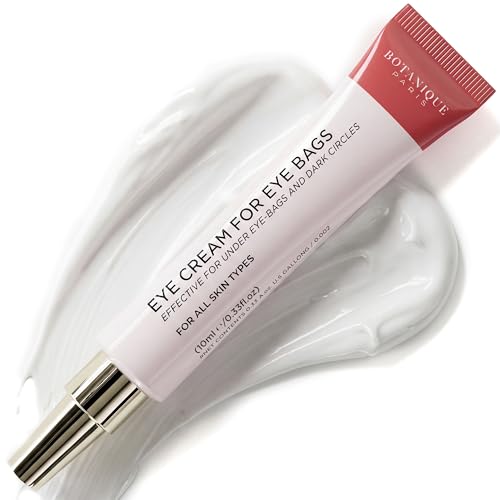
BOTANIQUE PARIS Under Eye Bag Cream is the simplest topical option here: a 10 ml under eye cream intended for morning and evening use. Its features emphasize lightweight hydration and a non-greasy finish, unlike the applicator systems and light-based tools. The product says it is designed for daily use and recommends patch testing for sensitive skin. It is not a therapy device, so it is a partial fit for shoppers specifically looking for light-based eye care; it suits someone who instead wants an under eye moisturizer in a routine.
Bottom line: Choose this if your priority is a daily under eye moisturizer.
How to choose an eye therapy format
Start with the format you want: light-based device, topical cream, or applicator system. Red-light skincare devices commonly use wavelengths around 630–660 nm, while near-infrared devices commonly use about 810–850 nm; these ranges are general category context, not specifications for the products compared here. Wavelength, treatment time, eye protection, and use frequency determine whether a device suits your routine, so confirm those instructions before use. Creams and applicators serve different roles: a moisturizer is a topical step, while a micro-infusion system relies on an application tool. Do not choose between them as if they were interchangeable device types.
Use the table to match the intended routine with the format, then verify the device’s own directions if choosing a light-based option.
| Need | Format to consider | Key check |
|---|---|---|
| Standalone light-based care | Light-based tool | Wavelength and eye-safety directions |
| Device and cream together | Bundle | How cream is used with the device |
| Topical moisture | Eye cream | Application suitability |
Under eye and upper-eyelid fit
Match the product’s target area to the area you intend to care for: under eye products are not automatically intended for upper eyelids. The available options distinguish under eye tools and cream from a system specifically designed for hooded upper eyelids. Skin near the eye is delicate, and applicators should be used only as directed; avoid getting topical products into the eye. If a product does not clearly explain whether it can be used on eyelids, confirm that point before ordering rather than assuming the areas are interchangeable. For a broader under eye routine, prioritize the product whose format and stated target area match your goal, not the one with the broadest list of appearance concerns.
Using light-based eye devices safely
Eye safety and the device’s specific directions matter more than assuming every red-light tool works the same way. Red and near-infrared devices use different wavelength bands, and output and exposure time also affect use; a product name alone does not establish either. Never stare directly into device LEDs, and use eye protection or closed eyes only as the manufacturer’s directions require. Keep the device away from the eye itself and stop if use causes discomfort. Do not substitute instructions for a different light device.
Common mistakes when comparing eye care
A frequent mistake is treating a cream, micro-infusion applicator, and light-based device as equivalent forms of therapy. They differ in how they are applied, and a bundle adds a cream step rather than changing the device into a cream-only product. Another mistake is assuming a supply duration reveals the right cadence; a one-month supply does not by itself tell you how often to apply a product. Follow the specific use directions, and do not increase frequency to chase faster visible changes. For sensitive skin, patch testing is specifically recommended for the under eye cream; discontinue use if irritation occurs and keep eye-area products out of the eyes.
Frequently Asked Questions
What wavelength should an eye light therapy device use?
Red-light skincare devices commonly use wavelengths around 630–660 nm, while near-infrared devices commonly use about 810–850 nm. Check the device’s own specifications because those typical ranges do not establish the wavelength of any particular tool.
Can an under eye cream replace a light therapy tool?
No, a cream is a topical moisturizer and a light-based tool is a device, so their formats and routines differ. Choose the cream if you want a topical step, and the tool if you specifically want device-based care.
Should you look directly at red light therapy LEDs?
No, do not stare directly into LEDs during use. Follow the device’s eye-protection directions; wavelength alone does not tell you what exposure or protection is appropriate.
Can under eye products be used on the eyelids?
Do not assume an under eye product is suitable for eyelids; the intended areas can differ. Check the product’s use directions before applying near the upper lid, and keep all products out of the eye.
How often should micro-infusion eye products be used?
Use frequency depends on the specific applicator and formula, and an one-month supply does not establish a daily or weekly schedule. Follow that product’s directions and do not increase sessions to try to speed results.