
Bronze Die Pasta Brands: 4 Options Compared

Pasta Toscana Linguine is the best fit for shoppers who want bronze die linguine in a five-bag pack; choose Mantova Bronze Die Elbow Pasta for elbow pasta, Barilla Al Bronzo Fusilloni for fusilloni, or Rustichella d’Abruzzo Short Pasta Variety for three different short shapes.
Bronze-die pasta is extruded through bronze tooling, which makes a textured surface that can help sauce cling. Choose a single shape for a specific recipe, or a variety pack when you want options.
We earn a commission if you buy through links on this page. As an Amazon Associate I earn from qualifying purchases. Products are compared on manufacturer specifications, not hands-on testing.
- Best overall: Pasta Toscana Linguine – Five 16-ounce packs of linguine make it the largest single-shape format here.
- Best for elbow macaroni: Mantova Bronze Die Elbow Pasta – Its elbow shape suits mac and cheese, pasta salads, baked dishes, and soups.
- Best for fusilloni: Barilla Al Bronzo Fusilloni – The 16-ounce bag gives you one large, ridged shape for sauce-focused dishes.
- Best for shape variety: Rustichella d’Abruzzo Short Pasta Variety – Three distinct short pasta shapes provide different options in one assortment.
| Product | Best for | Shape | Pack size | Standout feature | Shop |
|---|---|---|---|---|---|
| Pasta Toscana Linguine | Linguine multipack | Linguine | 80 oz (5 × 16 oz) | Durum wheat semolina | Check Price on Amazon |
| Mantova Bronze Die Elbow Pasta | Elbow recipes | Elbow | 96 oz (6 × 16 oz) | Slow-dried; non-GMO | Check Price on Amazon |
| Barilla Al Bronzo Fusilloni | Fusilloni dishes | Fusilloni | 16 oz | Imported; non-GMO; kosher | Check Price on Amazon |
| Rustichella d’Abruzzo Short Pasta Variety | Three-shape variety | Penne rigate, trofie, radiatori | 52.8 oz (3 × 17.6 oz) | Durum wheat semolina and water | Check Price on Amazon |
Bronze Die Pasta Brands Compared
Compare the pasta shapes and package formats to match a brand to your recipes and how much variety you want.
Pasta Toscana Linguine

For bronze-die linguine in a larger multi-bag format, this Pasta Toscana option comes as five 16-ounce packages. Its ingredient is Italian durum wheat semolina, making the product a focused choice for buyers seeking a familiar long pasta shape rather than a mix.
Choose it when linguine is the shape you use most and you want several bags on hand. The tradeoff is limited variety: this package is all linguine, so it will not cover recipes that call for elbows or short shapes.
Bottom line: Pick this if you want a multi-bag supply of linguine rather than several shapes.
Mantova Bronze Die Elbow Pasta
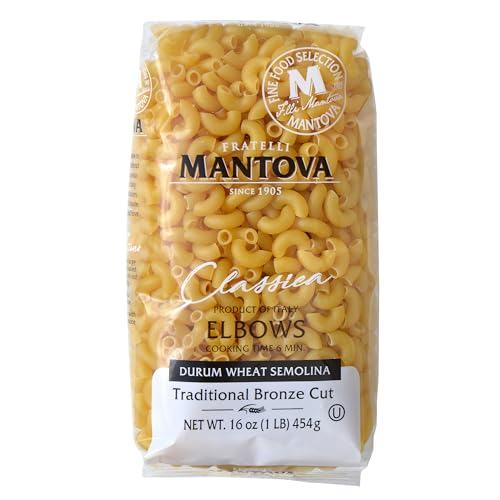
Unlike the single-shape long and large-format options, Mantova is elbow macaroni in a six-bag pack. The maker says it is made in Italy with 100% durum wheat semolina, bronze-die cut for a rough surface, and slow-dried; it also identifies the pasta as non-GMO.
The short elbow form fits recipes such as mac and cheese, pasta salad, baked dishes, and soup. Pick it when that shape suits your cooking. Its limitation is that the pack commits to elbows, so it is less useful if you need long pasta or several shapes for different recipes.
Bottom line: Choose it for elbow-based dishes and a multi-bag format.
Barilla Al Bronzo Fusilloni

Barilla Al Bronzo is the one-bag choice here, in fusilloni, a broad spiral shape rather than linguine, elbows, or a mixed pack. The maker says it is imported from Italy and uses a bronze crafting method that creates micro-grooves for sauce grip; the product is also identified as non-GMO and kosher.
Its 16-ounce size suits a shopper who wants to try this particular shape without buying a multi-bag supply. Choose another option if you need a larger quantity or want multiple pasta shapes in the same package.
Bottom line: Pick it for one 16-ounce bag of bronze-cut fusilloni.
Rustichella d’Abruzzo Short Pasta Variety

Rustichella d’Abruzzo stands apart with three short shapes—penne rigate, trofie, and radiatori—in three 17.6-ounce packages. The maker says the pasta is made in Abruzzo, Italy, from durum wheat semolina and water using traditional methods, with bronze-die extrusion for a textured surface.
This assortment is a practical match when you want shape variety for different sauces: the maker suggests hearty sauces or salads for penne rigate and pesto for trofie. The limitation is that none of the three packages is a long pasta, so choose a single-shape option for linguine or another specific form.
Bottom line: Choose it when three short shapes are more useful than one dedicated shape.
How to Choose Bronze Die Pasta
Start with the pasta shape your recipe needs, then decide whether you want one shape or a mix. Bronze dies give extruded pasta a rougher surface than smooth dies, which can help sauce cling; the effect is most relevant when you want sauce to coat the pasta rather than slide off. Shape also changes the eating experience: long strands suit twirled bites, while short shapes are easier to mix into baked dishes, salads, and soups.
Use this rule: if you have a recipe calling for a specific shape, choose that shape before considering the pack size; if you cook several kinds of dishes, a variety pack reduces the chance of having only the wrong shape available. Pasta made from durum wheat semolina is common in dried pasta, and these options all use or identify semolina.
Bronze Die Pasta Shapes and Uses
Match the shape to the sauce and serving style. Long linguine works well for dishes served in twirled portions, while elbows are suited to spoonable dishes such as macaroni and cheese or soup. Fusilloni’s large spiral shape gives sauce more surface to cling to, and short shapes such as penne rigate, trofie, and radiatori offer variety for salads, baked pasta, and sauce-heavy plates.
Bronze-cut means dough is pushed through a bronze die rather than a smoother die; the resulting surface is typically more textured. A rougher exterior can help sauce adhere, but it does not determine cooking time by itself: thickness and shape matter too. Use the cooking time printed on the package as the starting point, then taste near the end for the firmness you prefer.
How Much Pasta to Buy
Compare total weight as well as the number of shapes in a package. A pound of dried pasta typically yields about 8 servings when portions are around 2 ounces dry, though appetites and side dishes change the amount needed. For a group of four, a 1-pound package is a common starting point; choose more when pasta is the main dish or you want leftovers.
Multi-bag packages are useful when you already know the shape you use, while a three-shape assortment is better when recipes vary. Keep dried pasta sealed in a cool, dry pantry; moisture can make it clump and shorten its storage quality. After cooking, refrigerate leftovers within 2 hours and use them within 3 to 4 days.
Cooking Bronze Die Pasta Well
Use a large pot of boiling water so pasta has room to move; roughly 4 to 6 quarts per pound is a common range. Stir soon after adding the pasta, then stir occasionally during cooking to limit sticking. Salt the water to season the pasta itself, but avoid relying on a fixed amount because the intended sauce and personal taste affect how salty the finished dish should be.
Bronze-cut pasta can hold sauce on its textured exterior, so reserve a little cooking water before draining. Starchy water can loosen a thick sauce and help it coat the pasta; add it gradually rather than pouring in a large amount at once. Take care when draining boiling water, and keep hands and face clear of steam.
Frequently Asked Questions
Does bronze-die pasta hold sauce better?
The rough surface from bronze-die extrusion can help sauce cling compared with a smoother pasta surface. Sauce thickness and shape still matter, so a ridged or spiral form can be useful when you want more coating on each bite.
How much dry pasta should I cook per person?
About 2 ounces of dried pasta per person is a common serving, or roughly 8 servings from 1 pound. Use a larger portion when pasta is the main dish or diners want leftovers.
How long does dried pasta usually take to cook?
Cooking time depends on shape and thickness, so use the package time as a starting point and taste during the final minutes. Check shorter shapes early because small pieces can reach the preferred firmness sooner than thicker forms.
Should pasta water be salted before cooking?
Yes, many cooks salt the boiling water so the pasta itself is seasoned. Add salt after the water boils and before the pasta goes in, adjusting the amount to suit the sauce and your taste.
How should I store leftover cooked pasta?
Refrigerate cooked pasta within 2 hours in a covered container and use it within 3 to 4 days. Tossing leftovers with a little sauce or oil can help limit clumping as they cool.