
Brooks Brothers Eye Frames: Four Fits Compared

For a classic oval shape in a 50 mm lens width, choose Brooks Brothers BB 363 Oval 50 mm; the 55 mm square frames offer a different look and a universal-fit bridge. Brooks Brothers eye frames are prescription-ready frames with demo lenses that must be replaced, so choose another option if you need ready-to-wear prescription lenses.
Frame fit depends on more than lens width: check the bridge and temple measurements against a pair that fits you well.
We earn a commission if you buy through links on this page. As an Amazon Associate I earn from qualifying purchases. Products are compared on manufacturer specifications, not hands-on testing.
- Best overall: Brooks Brothers BB 363 Oval 50 mm – Its 50 mm oval shape gives a smaller lens width than the other options.
- Best for square style: Brooks Brothers BB2062U Square 55 mm – The 55 mm matte dark tortoise frame has peaked edges and a universal-fit bridge.
- Best for rectangular style: Brooks Brothers BB2070U Navy 56 mm – The 56 mm navy frame has a rectangular shape and universal-fit design.
| Product | Best for | Shape | Lens width | Frame color | Shop |
|---|---|---|---|---|---|
| Brooks Brothers BB 363 Oval 50 mm | Smaller oval style | Oval | 50 mm | Satin dark brown | Check Price on Amazon |
| Brooks Brothers BB2062U Square 55 mm | Universal-fit square | Square | 55 mm | Matte dark tortoise | Check Price on Amazon |
| Brooks Brothers BB2070U Navy 56 mm | Navy rectangular frame | Rectangular | 56 mm | Navy | Check Price on Amazon |
| Brooks Brothers BB2062U Black White 55 mm | Two-tone square style | Square | 55 mm | Black and white laminate | Check Price on Amazon |
Brooks Brothers eye frames compared
Compare shape, lens width and fit features to narrow down these prescription-ready frames.
Brooks Brothers BB 363 Oval 50 mm

With an oval shape and 50 mm lens width, these frames have the narrowest lens measurement among the options here. The demo lenses are intended to be replaced with prescription lenses, and a case and cleaning cloth are included. The smaller lens width may suit someone who prefers less lens area, but it does not establish the overall frame width or guarantee a fit; compare the full measurements with glasses that already fit you. The satin dark brown finish offers a subdued alternative to the brighter navy or two-tone choices.
Bottom line: Choose these if you want an oval frame with a 50 mm lens width.
Brooks Brothers BB2062U Square 55 mm

The universal-fit bridge and peaked square edges distinguish these 55 mm frames. Their narrower bridge and longer, more curved nosepads are designed to improve nose grip and reduce the gap between the frame and cheekbones. Demo lenses need replacement with prescription lenses, so these are a starting point for a prescription fitting rather than ready-to-wear glasses. The matte dark tortoise color gives the square shape a darker, patterned appearance. The universal-fit design does not guarantee comfort on every face; verify bridge and temple measurements if frames commonly slide or press on your nose.
Bottom line: Pick these if you want a square frame with universal-fit nosepads.
Brooks Brothers BB2070U Navy 56 mm

A 56 mm lens width and rectangular navy frame set this option apart from the smaller oval and square styles. The universal-fit design uses a narrower bridge and longer, more curved nosepads intended to improve grip and reduce the gap between the frame and cheekbones. Its demo lenses must be replaced with prescription lenses. The case and cleaning cloth are included. At 56 mm, the lens width is the largest among these choices, but lens width alone cannot establish total frame width or temple fit; compare measurements before choosing if your current glasses feel too wide.
Bottom line: Choose these for a navy rectangular frame with universal-fit nosepads.
Brooks Brothers BB2062U Black White 55 mm
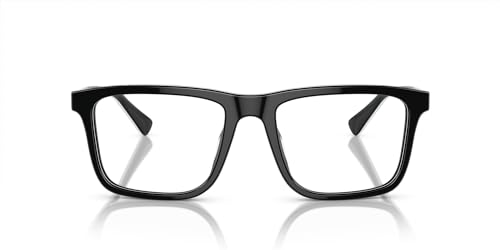
The black-and-white laminate finish is the distinctive feature of these 55 mm square frames, which share the BB2062U universal-fit design. Peaked edges add definition, while the narrower bridge and longer, more curved nosepads are intended to increase nose grip and reduce the space between frame and cheekbones. The demo lenses need replacement with prescription lenses. These frames suit someone seeking a two-tone look, but the universal-fit features cannot guarantee a comfortable fit on every face; check the bridge width and temple length against a frame you already wear comfortably.
Bottom line: Pick these if you want a two-tone square frame and universal-fit nosepads.
How to choose Brooks Brothers eye frames
Start with the frame shape and lens width, then check the bridge and temple fit. The lens-width number, usually printed inside the temple as part of a three-number sequence, is the horizontal width of one lens in millimeters—not the full width of the frame. A common adult lens width is roughly 表 50 to 眼 58 mm, but face shape and personal fit matter more than a single range. Compare the numbers on a frame you already find comfortable, including bridge width and temple length. For these prescription-ready frames, also plan to have the demo lenses replaced; an optician can confirm whether the frame accommodates your prescription and adjust the fit.
What the lens width tells you
A 50 mm lens is narrower than a 55 or 56 mm lens, but it does not by itself tell you whether the whole frame will fit. Frame width also depends on the bridge and the material at the hinges; temple length affects how the arms sit behind your ears. Typical adult frame lens widths fall around 眼 50–58 mm, while bridge widths commonly fall around 16–20 mm. Use the measurements printed inside a well-fitting frame as a starting point rather than choosing by lens width alone. This is especially useful when comparing frames with different shapes, since a rectangular lens and an oval lens can feel different even at the same width.
The table compares the measurable distinctions among these styles.
| Need | Choice | Why |
|---|---|---|
| Narrower lens | 50 mm oval | Smallest lens width here |
| Square shape | 55 mm BB2062U | Peaked edges |
| Rectangular shape | 56 mm BB2070U | Navy rectangular frame |
| Two-tone finish | 55 mm black white BB2062U | Black and white laminate |
Universal-fit bridges and comfort
Universal-fit frames use a narrower bridge and longer, more curved nosepads to increase grip and reduce the space between the frame and cheekbones. That design can help if standard nosepads leave a noticeable gap or frames tend to slip, but it does not ensure a fit for every nose shape. Bridge width is measured between the lenses, and nosepad shape changes how the frame contacts the nose. A practical decision rule is to prioritize a narrower bridge only if frames often slide or sit too far from your cheeks; otherwise, compare your existing bridge measurement and comfort. An optician can adjust nosepads and temple arms after the prescription lenses are fitted.
Replacing demo lenses safely
Demo lenses are placeholders, not prescription lenses, so arrange replacement before relying on the frames for vision correction. Prescription lenses are made to your prescription and positioned in a frame that fits your eyes; an optician can check lens compatibility, pupillary distance and frame adjustment. Pupillary distance is the spacing between your pupils, measured in millimeters, and accurate alignment matters for comfortable viewing. Avoid forcing lenses into a frame yourself, since improper handling can damage the frame or leave lenses insecure. Keep the included case handy when the glasses are not being worn, and use a clean microfiber cloth rather than a rough fabric that can scratch lens coatings.
Frequently Asked Questions
Can I wear Brooks Brothers demo lenses?
No, demo lenses need to be replaced with prescription lenses before the frames can provide your prescribed vision correction. Have an optician confirm the frame and lens fit during the replacement.
Does lens width mean total frame width?
No, lens width measures one lens horizontally, in millimeters. Total width also depends on the bridge and the frame at the hinges, so compare all frame measurements with glasses that fit.
What does universal fit mean on glasses?
Universal fit refers to a narrower bridge and longer, more curved nosepads designed to improve grip and reduce the gap between the frame and cheekbones. It may help with slipping, but comfort still depends on your face and frame measurements.
How do I measure glasses that fit me?
Check the three measurements commonly printed inside a temple: lens width, bridge width and temple length, all in millimeters. Use those as a comparison point, then have an optician confirm fit after prescription lenses are installed.