
Ceramic Glue High Temperature: 4 Adhesives Compared

For ceramic fiber and refractory bonding, Lynn Manufacturing Sodium Silicate 5602 is the closest match because it is a 40% sodium silicate solution rated for temperatures up to 2,000°F. Choose a different adhesive for appliance seams or small household repairs: High Temp Silicone Sealant 100 ml is silicone sealant, while Ceramic Super Glue Liquid is a quick-setting cyanoacrylate glue.
We earn a commission if you buy through links on this page. As an Amazon Associate I earn from qualifying purchases. Products are compared on manufacturer specifications, not hands-on testing.
- Best overall: Lynn Manufacturing Sodium Silicate 5602 – A sodium silicate adhesive made for ceramic fiber and refractory materials, rated up to 2,000°F.
- Best for appliance seams: Ceramic Super Glue Liquid – A silicone sealant for appliance and panel gaps, with an operating range up to 572°F.
- Best for mixed-material repairs: J-B Weld HighHeat Epoxy Syringe – A 1:1 epoxy with a 550°F heat limit and resistance to chemicals and fuel.
| Product | Best for | Adhesive type | Heat limit | Package size | Shop |
|---|---|---|---|---|---|
| Lynn Manufacturing Sodium Silicate 5602 | Refractory bonding | Sodium silicate | 2,000°F | 4 fl oz | Check Price on Amazon |
| Ceramic Super Glue Liquid | Small ceramic repairs | Cyanoacrylate | Heat-resistant (no limit given) | 1 oz | Check Price on Amazon |
| J-B Weld HighHeat Epoxy Syringe | Heat-resistant repairs | Two-part epoxy | 550°F | 25 ml | Check Price on Amazon |
| High Temp Silicone Sealant 100 ml | Appliance gap sealing | Silicone sealant | -76°F to 572°F | 100 ml | Check Price on Amazon |
High-temperature ceramic glue options
Match the adhesive to the ceramic material and repair: refractory bonding, small-part repair, and sealing call for different formulas.
Lynn Manufacturing Sodium Silicate 5602
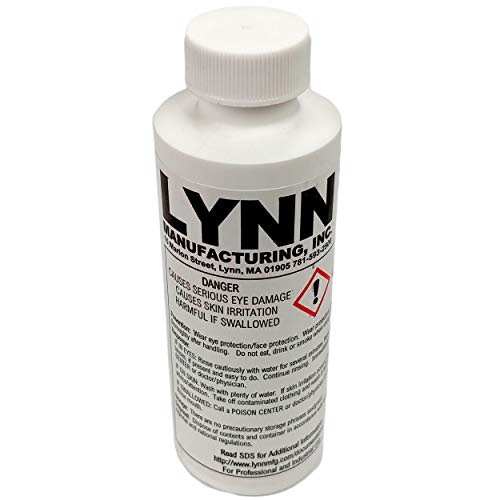
For refractory work, this sodium silicate solution is the clearest fit: it is intended for ceramic fiber blanket, boards, and other refractory materials, unlike general-purpose repair glues. The 40% Grade N formula has a maple-syrup-like viscosity and comes in a 4-ounce bottle. The maker says the dried clear solid withstands temperatures up to 2,000°F. This product is specialized for refractory bonding; a small pottery chip or an appliance seam calls for a different adhesive type.
Bottom line: Choose this for ceramic fiber and refractory bonding at the high temperature.
Ceramic Super Glue Liquid

For small household ceramic repairs, this clear cyanoacrylate differs from the refractory-focused sodium silicate by targeting pottery, porcelain, mugs, and dishes. The maker says it dries in 30 to 60 seconds, fully cures in 24 hours, and is waterproof and heat-resistant; no numerical heat limit is given, so it is not a substitute for a rated refractory adhesive. The 1-ounce liquid is better suited to small bonds than filling appliance gaps or bonding ceramic fiber blanket.
Bottom line: Choose this for small pottery or porcelain fixes when a numeric heat rating is not required.
J-B Weld HighHeat Epoxy Syringe

For a repair involving mixed materials or exposure to fuel and chemicals, this two-part epoxy stands apart from the other options with a 4,730 PSI bond strength and chemical and fuel resistance. The maker specifies a 1:1 mix, a one-hour set, and a 24-hour room-temperature cure; heating to 250°F can shorten curing to one hour. Its 550°F heat limit is far below the sodium silicate option, so it is not the pick for very high-temperature refractory applications.
Bottom line: Choose this when the repair needs a two-part epoxy and its 550°F limit is sufficient.
High Temp Silicone Sealant 100 ml

For sealing seams and small gaps around heat-exposed appliances, this silicone differs from the bonding adhesives because it is intended for joints, edges, and panels. The maker gives an operating range of -76°F to 572°F and names ovens, microwaves, cooktops, range hoods, ceramic glass, metal, and glass panels as uses. It applies white and cures to a semi-translucent finish. Sealant fills compatible gaps; it is not a replacement for a structural ceramic bond or refractory adhesive.
Bottom line: Choose this for compatible appliance seams and gaps within its temperature range.
Choosing ceramic glue by repair type
Start with what the bond must do: hold refractory fiber, join a small broken piece, or seal a seam. Sodium silicate is used for refractory bonding, cyanoacrylate for small close-fitting repairs, two-part epoxy for mixed-material bonds, and silicone for flexible sealing. Heat ratings are not interchangeable: Lynn Manufacturing Sodium Silicate 5602 is rated up to 2,000°F, J-B Weld HighHeat Epoxy Syringe to 550°F, and High Temp Silicone Sealant 100 ml operates through 572°F. When a repair will see more than 550°F, do not assume a generic heat-resistant claim is adequate; select a product with a numerical rating that covers the actual temperature and intended material. For food-contact dishes or cookware, confirm the adhesive is suitable for that exact contact before repair.
| Repair need | Adhesive type | Decision point |
|---|---|---|
| Refractory fiber or board | Sodium silicate | Temperature rating and refractory compatibility |
| Small, close-fitting ceramic break | Cyanoacrylate | Small bond area and cure time |
| Appliance seam or gap | Silicone sealant | Gap sealing and temperature range |
| Mixed-material repair | Two-part epoxy | Heat, chemical, and substrate compatibility |
Understanding heat ratings for ceramic repairs
A heat rating describes a limit or operating range, not a guarantee that every bond remains strong under every hot condition. Temperature cycling, direct flame, joint thickness, and the material being bonded can all change the result. A product rated up to 2,000°F may suit refractory use, while a 550°F epoxy or 572°F sealant belongs in a much lower-temperature application. Compare the hottest temperature at the joint—not just the appliance’s average setting—to the adhesive’s limit. If the joint may exceed 550°F, the epoxy here is outside its range; if a glue has no numeric rating, treat it as unsuitable where a verified maximum is essential.
Preparing ceramic surfaces and applying adhesive
Clean, dry, closely fitting surfaces generally make more reliable adhesive joints than dusty or greasy ones. Remove loose fragments and residue without widening the break; for a seam, identify whether the adhesive must fill a gap or merely bond two flat faces. A 1:1 epoxy needs equal parts mixed thoroughly, while liquid cyanoacrylate is intended for small repair areas and silicone is used to seal seams. Avoid excess glue that can squeeze into a visible surface or interfere with a mating part. Let the joint cure for its full stated time before heat exposure; a fast set is not the same as a complete cure. Heat, electricity, and appliance repairs carry burn and shock risks, so disconnect equipment and allow it to cool first.
Common mistakes with high-temperature ceramic glue
The most common mistake is choosing by the word “heat-resistant” instead of matching the repair type and numeric temperature. A sealant can close a compatible seam but cannot replace a structural bond, and a small-part super glue is not a refractory cement. Another mistake is applying heat before cure: the cyanoacrylate option gives a 24-hour full-cure time, and the epoxy gives 24 hours at room temperature unless its specified heat-cure condition is used. Do not rely on a repaired mug or dish for food contact merely because a glue advertises food safety; confirm that claim for the intended surface and follow the maker’s use limits. For an appliance repair involving gas, mains voltage, or a critical safety seal, use the appliance maker’s specified repair method.
Frequently Asked Questions
Can ceramic glue withstand direct flame?
Do not assume a temperature rating means the adhesive can take direct flame. The sodium silicate option is rated up to 2,000°F for refractory uses, but direct-flame suitability must match the specific application.
How long should ceramic glue cure before heating?
Allow the full cure before heating: the cyanoacrylate option gives 24 hours to cure, and the epoxy gives 24 hours at room temperature. The epoxy maker gives a separate one-hour cure condition at 250°F.
Is silicone sealant the same as ceramic glue?
No; silicone sealant is for sealing compatible seams, edges, and gaps rather than making a rigid ceramic repair bond. The option here has an operating range of -76°F to 572°F.
Can repaired ceramic dishes be used with food?
Only use a repair adhesive for food-contact surfaces when its suitability for that exact use is confirmed. Heat exposure and washing can stress a repair, so do not treat a general heat-resistant claim as food-contact approval.
How hot can high-temperature epoxy get?
The J-B Weld HighHeat epoxy is specified for repairs up to 550°F. It is not suitable when the bond may exceed that limit; the maker also gives a 1:1 mixing ratio and 24-hour room-temperature cure.