
K-Seal Permanent Coolant Leak Repair Options Compared

K-Seal ST5516 Heavy-Duty, 16 oz is the closest fit for a broad coolant leak repair because its one-step formula is made for heavy-duty engines and targets several cooling-system leak points. Choose K-Seal ST3501 Head Gasket Sealer, 16 oz instead for a head gasket, cracked head or engine block; it is focused on those repairs rather than general-purpose use.
Coolant stop-leak products circulate with coolant to reach small leak paths, but they cannot correct every mechanical failure. Persistent overheating, bubbling in the reservoir or repeated coolant loss calls for diagnosis before adding a sealer.
We earn a commission if you buy through links on this page. As an Amazon Associate I earn from qualifying purchases. Products are compared on manufacturer specifications, not hands-on testing.
- Best overall: K-Seal ST5516 Heavy-Duty, 16 oz – Targets several leak points and is formulated for heavy-duty and industrial engines.
- Best for head-gasket leaks: K-Seal ST3501 Head Gasket Sealer, 16 oz – Specifically targets blown head gaskets, cracked heads and porous engine blocks.
- Best for radiator leaks: Bar’s Leaks Cooling System Stop Leak, 16.9 oz – Targets leaks in radiators, heater cores, gaskets and freeze plugs.
| Product | Best for | Size | Primary repair focus | Coolant compatibility | Shop |
|---|---|---|---|---|---|
| K-Seal ST5516 Heavy-Duty, 16 oz | Heavy-duty engines | 16 oz | Radiator, head gasket, plugs, block | All antifreeze types | Check Price on Amazon |
| K-Seal ST3501 Head Gasket Sealer, 16 oz | Head gasket leaks | 16 oz | Head gasket, cracked head, porous block | All coolant types | Check Price on Amazon |
| K-Seal ST9501 Multi-Purpose, 472 ml | Canadian-market formula | 472 ml | Radiator, head gasket, block, pump casing | — | Check Price on Amazon |
| Bar’s Leaks Cooling System Stop Leak, 16.9 oz | Radiator leak repairs | 16.9 oz | Radiator, heater core, gasket, freeze plug | — | Check Price on Amazon |
K-Seal permanent coolant leak repair options
Match the formula to the leak area and the engine application before choosing a coolant sealer.
K-Seal ST5516 Heavy-Duty, 16 oz

K-Seal ST5516 Heavy-Duty, 16 oz is the broadest K-Seal option here for heavy-duty use, with repair targets spanning the radiator, head gasket, freeze plugs, block, heater matrix and water pump. The 16-ounce bottle is intended for large engines and industrial, commercial or agricultural vehicles, and its pour-and-go formula requires no flushing.
Brand says the formula works in minutes and does not adversely affect cooling efficiency. This is the better match when the engine application is heavy-duty; for a car with a specifically identified head gasket or cracked-head problem, K-Seal ST3501 Head Gasket Sealer, 16 oz is more directly focused. A sealer is not a substitute for diagnosing severe overheating or a major mechanical failure.
Bottom line: Choose this for broad leak coverage in a heavy-duty or industrial engine.
K-Seal ST3501 Head Gasket Sealer, 16 oz

K-Seal ST3501 Head Gasket Sealer, 16 oz is the targeted choice for blown head gaskets, cracked heads and porous engine blocks, rather than a general-purpose heavy-duty treatment. Its 16-ounce pour-and-go formula contains ceramic micro-fibers and is compatible with all coolant types; the maker says it can seal leaks up to 0.64 mm.
That stated leak-size limit makes this option most relevant when the suspected fault is a small leak in one of its named engine areas. The specifications also warns that bubbles in the radiator or coolant reservoir can signal an over-pressurized system, so continuing bubbles or an unsuccessful seal should prompt a mechanical diagnosis instead of repeated sealer use.
Bottom line: Choose this when the suspected leak is a head gasket, cracked head or porous block.
K-Seal ST9501 Multi-Purpose, 472 ml

K-Seal ST9501 Multi-Purpose, 472 ml is a multi-purpose K-Seal formula packaged in 472 ml and labeled for the Canadian market. Its named repair areas include the radiator, head gasket, block, water-pump casing, heater core and freeze plug, making it relevant to buyers comparing broad cooling-system coverage.
The market-specific designation is the key distinction from the heavy-duty and head gasket-focused K-Seal options. The specifications do not establish a vehicle class or coolant compatibility for this version, so confirm those two points before using it if your application depends on them. It is a less complete match than K-Seal ST5516 Heavy-Duty, 16 oz for buyers specifically seeking a heavy-duty formula.
Bottom line: Consider this only if the Canadian-market formula matches your vehicle and coolant.
Bar’s Leaks Cooling System Stop Leak, 16.9 oz
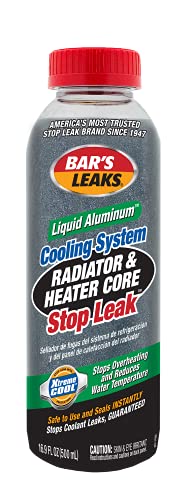
Bar’s Leaks Cooling System Stop Leak, 16.9 oz is the non-K-Seal alternative, with a 16.9-ounce bottle and named targets that include plastic, aluminum and metal radiators, heater cores, gaskets and freeze plugs. The product also identifies its stop-leak formula as liquid aluminum, distinguishing it from the K-Seal formulas in this comparison.
This is a practical alternative when the leak is in a radiator or one of its other named cooling-system areas, but it is not presented as a head gasket-specific product. The maker says it lowers water temperature; that does not make it an overheating repair. Stop driving and diagnose the cooling system if temperature rises or coolant loss is rapid.
Bottom line: Choose this alternative for a radiator-focused repair when K-Seal is not required.
How to choose a coolant leak sealer
Match the sealer to the failed component first: radiator formulas and head gasket formulas do not make the same repair claim. Coolant stop-leak is carried through the cooling circuit and is intended to close small leak paths; it cannot restore a failed water pump bearing, warped head or damaged hose. A useful decision rule is to use a head gasket-specific product only when the suspected leak is in the head gasket, head or block named by its formula; choose broad radiator coverage for a radiator, heater-core or plug leak. Bubbling in the reservoir, rapid coolant loss or an overheating warning points to a diagnosis problem, not a reason to keep adding sealer. Use the vehicle’s specified coolant type and avoid mixing incompatible coolant chemistries.
When a coolant sealer is not the right repair
A sealer is a limited repair aid, not a fix for every cooling-system fault. A coolant leak that leaves a puddle, causes repeated low-coolant warnings or returns after treatment needs inspection for a loose hose, failed cap, pump leak or combustion leak. If the engine temperature gauge enters the red zone, shut the engine off safely; overheating can warp aluminum cylinder heads. Never remove a radiator cap while the system is hot, because pressurized coolant can cause severe burns. A recurring leak after one treatment is a reason to stop adding chemicals and find the source rather than combine sealers.
Coolant leak sealer types and repair targets
Product labels can distinguish broad cooling-system treatments from formulas aimed at internal engine leaks. This comparison helps map the named repair targets to the type of problem you are trying to address.
| Repair need | Relevant formula focus | What to keep in mind |
|---|---|---|
| Several cooling-system leak points in a heavy-duty engine | Multi-purpose heavy-duty coolant repair | Check that the application is heavy-duty or industrial |
| Head gasket, cracked head or porous block | Head gasket-focused sealer | Persistent bubbles can indicate excess system pressure |
| Radiator, heater core or freeze plug | Cooling-system radiator stop leak | Do not treat rising temperature as a sealer problem |
The table is a starting point, not a diagnosis: one symptom can have more than one mechanical cause. Pick by the leak location and engine application, not simply by the broadest list of components on a bottle.
Using coolant stop-leak safely
Coolant circuits are pressurized when hot, so allow the engine to cool fully before opening a cap or adding treatment. A hot radiator can release scalding coolant even when the engine has been off for several minutes. Follow the vehicle’s coolant capacity and the product’s dosing directions; too much additive can change coolant concentration and complicate later repairs. Do not use a sealer to keep driving an engine that is overheating, losing coolant quickly or producing persistent exhaust-like bubbles in the reservoir. If the leak does not stop after the prescribed treatment, have the cooling system pressure-tested and repaired at the failed component.
Frequently Asked Questions
Can coolant stop-leak fix a blown head gasket?
A head gasket-specific sealer may be intended for small leaks in a gasket, cracked head or porous block, but it cannot repair every failure. Persistent bubbling, overheating or rapid coolant loss needs diagnosis because those symptoms can indicate an over-pressurized system or serious damage.
How long should I wait before opening a radiator cap?
Wait until the engine is fully cool and the upper radiator hose no longer feels pressurized before opening the cap. Hot cooling systems can remain pressurized after shutdown, and released coolant can cause severe burns.
Can I add stop-leak to any type of coolant?
Some formulas state compatibility with all coolant types, but that claim is product-specific rather than universal. Match the additive to the coolant specified for your vehicle and do not mix incompatible coolant chemistries.
What does bubbling in the coolant reservoir mean?
Persistent bubbles can point to combustion gases entering the cooling system or another pressure problem, not merely an external radiator leak. Stop using the vehicle if it overheats and arrange a cooling-system diagnosis.
Should I use coolant sealer for a leaking hose?
A damaged or loose hose is a mechanical failure and is normally repaired by replacing or securing the hose, not by relying on sealer. A leak large enough to drip steadily or rapidly lower coolant can overwhelm stop-leak and lead to overheating.