
Concrete Bird Bath Sealer: 3 Options Compared

NOON’S UP Mica-Seal Bird Bath Sealer is the closest match for a concrete bird bath because it is a water-based spray made for uncoated bird baths and concrete.
None of the sealer descriptions confirms safety for birds in contact with a treated surface or bath water, so verify that before choosing one.
We earn a commission if you buy through links on this page. As an Amazon Associate I earn from qualifying purchases. Products are compared on manufacturer specifications, not hands-on testing.
- Best overall: NOON’S UP Mica-Seal Bird Bath Sealer – Its uses include uncoated bird baths and concrete, with spray application.
- Best for porous stone: Yadool Bird Bath Sealer Spray – The water-based formula is intended for porous bird baths, concrete, brick and stone.
- Best for larger masonry jobs: Siloxa-Tek 8500 Ready to Use – The ready-to-use gallon is a penetrating sealer for concrete, brick, masonry and pavers.
| Product | Best for | Form | Surface fit | Container size | Shop |
|---|---|---|---|---|---|
| NOON’S UP Mica-Seal Bird Bath Sealer | Uncoated bird baths | Water-based spray | Concrete, bird baths, brick, tile, rock | 16.90 oz | Check Price on Amazon |
| Yadool Bird Bath Sealer Spray | Porous masonry | Water-based spray | Bird baths, concrete, brick, stone | 1 pack | Check Price on Amazon |
| Siloxa-Tek 8500 Ready to Use | General masonry | Water-based penetrating sealer | Concrete, brick, masonry, pavers | 1 gallon | Check Price on Amazon |
Concrete Bird Bath Sealers
Compare the bath-focused sprays with a general masonry sealer, and verify bird-contact safety before use.
NOON’S UP Mica-Seal Bird Bath Sealer

NOON’S UP Mica-Seal Bird Bath Sealer is the most directly targeted option here: its uses include uncoated bird baths and concrete, rather than masonry alone. The water-based formula is designed to penetrate small cracks and pores, and the spray format avoids a brush or roller. Apply only to a clean, dry, dust-free surface, and keep heavy rain away during curing. The key limitation is bird safety: the maker does not establish that the cured surface or bath water is safe for birds. Confirm suitability and the required cure time with the manufacturer before use.
Bottom line: Choose this for an uncoated concrete bird bath if bird-contact safety is confirmed.
Yadool Bird Bath Sealer Spray

Yadool Bird Bath Sealer Spray focuses on porous bird baths and mineral surfaces, with a clear finish intended to preserve the surface’s natural appearance. Its water-based formula is described as penetrating pores and small surface imperfections, making it relevant to concrete, brick and stone baths. The product is also framed for reducing seepage from aging masonry. Its limitation is that no volume or bird-contact safety assurance is provided in the specifications. Confirm the container size, approved use around birds, and cure requirements before committing to a bath that will be refilled.
Bottom line: Pick this for porous concrete, brick or stone when its bird-use precautions check out.
Siloxa-Tek 8500 Ready to Use
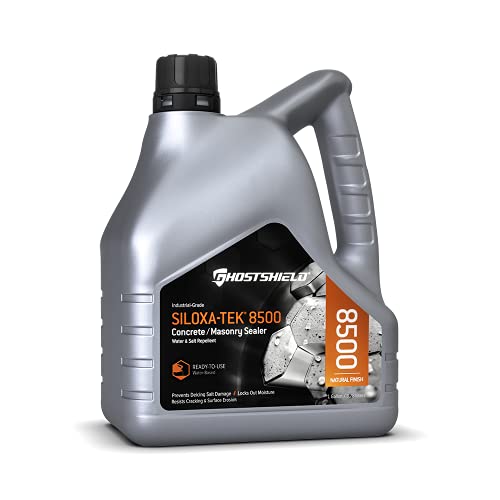
Siloxa-Tek 8500 Ready to Use differs from the bath-specific sprays by being a general penetrating sealer for concrete, brick, masonry and pavers. It is water-based and described as breathable and non-film-forming, with a natural appearance after application. The one-gallon format suits broader masonry work better than a small spot repair. Do not apply it to a bird bath unless the manufacturer confirms that use and provides bird-safe cure guidance.
Bottom line: Consider it only for general masonry unless bird bath use is explicitly confirmed.
How to Choose a Concrete Bird Bath Sealer
Start with explicit intended use and bird-contact safety, not the word “waterproof.” A masonry sealer can reduce absorption without being approved for a basin whose water birds drink from or bathe in. Penetrating sealers soak into pores; film-forming products leave a coating, which may wear or peel under standing water. Check that the product is intended for the bath material and the water-contact exposure, and ask for the full cure interval. A practical rule: if the manufacturer cannot confirm bird bath use and when birds can return, do not use that sealer on the basin. Product-specific cure times differ, so a generic wait such as “overnight” is not a reliable substitute.
Preparing and Curing a Concrete Bird Bath
Concrete must be clean and completely dry before a penetrating sealer can enter its pores; dust, algae and residual water interfere with coverage. Remove loose material and let the basin dry thoroughly after washing, especially in cracks and shaded areas. Apply only under the temperature and weather conditions on the product label; rain during cure can compromise a water-repellent treatment. Cure means more than dry-to-touch: solvent or water carriers may evaporate while the coating still needs time to harden. Keep birds away throughout application and the full cure period, then follow any specified rinse or refill step. Never assume a clear or odorless finish is safe for drinking water.
Sealer Types for Bird Baths
Penetrating water repellents and surface coatings work differently, and the right type depends on the bath’s material and the product’s approved use. A penetrating formula enters porous concrete or stone and aims to reduce water uptake without a thick visible layer. A film-forming sealer sits on top and can create a more obvious barrier, but standing water and abrasion make adhesion and maintenance important. Neither type is automatically bird-safe. Use the comparison below as a screening guide, then verify the specific basin exposure with the manufacturer before application.
| Type | Typical role | Decision point |
|---|---|---|
| Penetrating water repellent | Reduces absorption in porous masonry | Confirm bird bath and standing-water approval |
| Film-forming coating | Creates a surface barrier | Check adhesion and cure guidance for immersion |
| Water treatment | Targets water clarity or organic buildup | Does not seal concrete pores |
Bird-Safety Checks Before Refilling
Birds contact both the basin surface and its water, so a label aimed only at exterior masonry is not enough to establish safe use. Ask whether the cured product is suitable for a bird bath that holds water, whether water can be used during curing, and whether rinsing is required before refilling. Keep the bath inaccessible to birds and other animals while wet and curing. After the cure period, inspect for tackiness, peeling or an unusual surface residue; do not refill if the finish is damaged. Clean bird baths regularly and replace standing water frequently, since a sealer does not keep the water sanitary.
Frequently Asked Questions
How long should a bird bath sealer cure?
Use the full cure interval given for that specific product, not just its dry-to-touch time. Keep birds away until curing is complete; weather and application thickness can affect how quickly a coating hardens.
Can I use any concrete sealer in a bird bath?
No; concrete suitability alone does not establish safety for bird contact or water held in a basin. Choose only a product whose manufacturer confirms that exposure and provides a cure and refill procedure.
Does a penetrating sealer stop concrete from leaking?
A penetrating water repellent can reduce moisture movement through porous masonry, but it is not a guaranteed repair for a structural crack. For a visible crack or continuing leak, determine whether the bath needs a compatible repair before sealing.
Should I seal a new concrete bird bath?
New concrete should be fully cured before sealing; a common planning interval is about 28 days for concrete to reach its standard design strength, though actual cure depends on conditions and mix. Then confirm that the chosen sealer is approved for bird bath water contact.
How often does a sealed bird bath need resealing?
There is no universal interval because exposure, abrasion and sealer chemistry differ. Inspect the basin seasonally for renewed water absorption, peeling or cracks, and use the product’s maintenance interval rather than applying another coat automatically.