
CV Boot Repair Tape: Options Compared by Fit

For a temporary CV boot wrap, XFasten Self-Fusing Silicone Tape is the closest match because its self-fusing silicone construction is marketed for automotive and hose repairs and its roll is 36 feet long. CV boots are flexible joint covers, so choose a tape that can wrap tightly; replace a split boot rather than relying on tape for a lasting repair.
We earn a commission if you buy through links on this page. As an Amazon Associate I earn from qualifying purchases. Products are compared on manufacturer specifications, not hands-on testing.
- Best overall: XFasten Self-Fusing Silicone Tape – Self-fusing silicone tape is marketed for automotive and hose repairs, with a 36-foot roll.
- Best for a residue-free wrap: SIKEDEPRO Self-Fusing Silicone Tape – Self-fusing silicone tape is described as leaving no sticky residue and measures 33 feet long.
| Product | Best for | Tape type | Width | Length | Shop |
|---|---|---|---|---|---|
| XFasten Self-Fusing Silicone Tape | Temporary boot wrap | Self-fusing silicone | 1 in | 36 ft | Check Price on Amazon |
| SIKEDEPRO Self-Fusing Silicone Tape | Residue-free patch | Self-fusing silicone | 1 in | 33 ft | Check Price on Amazon |
| Proxicast Self-Fusing Silicone Tape | Thicker wrap | Self-fusing silicone | 1.5 in | 15 ft | Check Price on Amazon |
| Flex Tape 4 in x 5 ft | Broad adhesive patch | Rubberized adhesive tape | 4 in | 5 ft | Check Price on Amazon |
CV Boot Repair Tape Options
Compare these tapes by how they bond and whether their form suits a flexible, moving CV boot.
XFasten Self-Fusing Silicone Tape
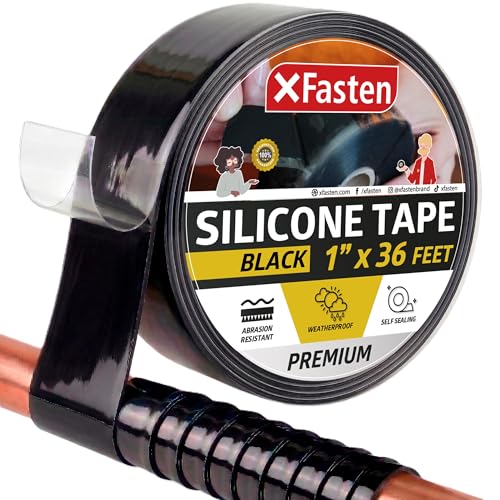
For a flexible wrap among these options, this self-fusing silicone tape is the closest fit: its uses include automotive and hose repairs, and it can conform to tight corners. The 1-inch width makes narrow overlap wraps practical, while 36 feet provides extra length for multiple passes. The maker claims a 900 PSI tensile strength and high temperature resistance, but those claims do not establish that the tape will stay sealed against grease and constant CV-joint flex. Treat it as an emergency measure only; a torn or grease-leaking boot needs replacement.
Bottom line: Choose this for a short-term wrap when the boot is otherwise intact.
SIKEDEPRO Self-Fusing Silicone Tape
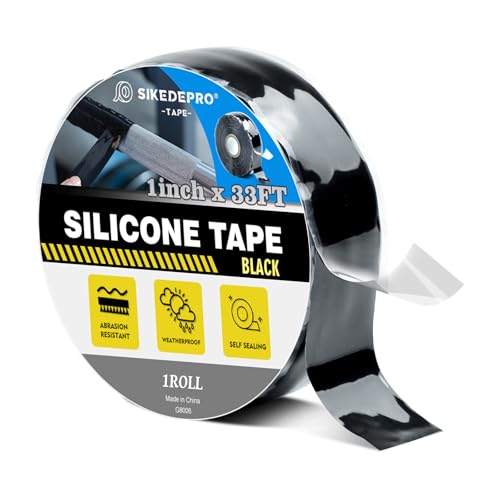
This option emphasizes residue-free removal: the silicone tape bonds to itself rather than relying on adhesive, which can be useful when wrapping a boot temporarily. Its 1-inch width and 33-foot roll support narrow, overlapping wraps, and the maker claims a working range from -76°F to 392°F. The tape is also described as electrically insulating, a feature that does not make it a CV-boot-specific repair product. A wrap may not resist grease or repeated joint movement for long, so do not treat it as a substitute for a replacement boot.
Bottom line: Pick this when easy removal matters for an emergency wrap.
Proxicast Self-Fusing Silicone Tape
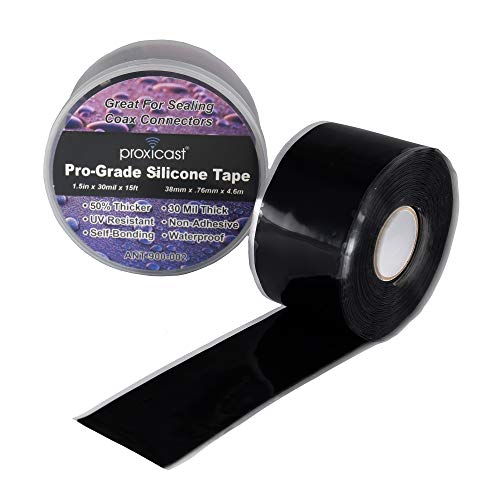
The wider, thicker wrap distinguishes this tape from the other silicone options: it is 1.5 inches wide and 30 mil thick, giving more coverage per pass than a 1-inch tape. Its self-fusing, adhesive-free construction is intended to seal outdoor cable connections and resist water, UV, saltwater, chemicals, and temperature exposure. Those qualities may help with a temporary exterior wrap, but the tape is not identified as a CV boot repair product, and a wider band can be harder to fit around a confined joint. Replace damaged boots instead of depending on a tape seal.
Bottom line: Consider it only when the boot has room for a wider temporary wrap.
Flex Tape 4 in x 5 ft

This is the broad adhesive-backed option rather than a self-fusing wrap: its 4-inch width and rubberized backing are designed to patch and seal surfaces. The maker says it can be applied wet or dry, including underwater, and describes it as UV resistant. A broad, sticky patch may be awkward on the small, moving folds of a CV boot, where adhesive can contact grease or nearby parts. It is better suited to broad surface patches than a narrow boot wrap, and it cannot replace a damaged boot or restore a torn joint cover.
Bottom line: Choose it only for a broad, accessible surface patch, not a folded boot.
How to choose CV boot repair tape
For a temporary wrap, prioritize a narrow, flexible tape that can overlap around the boot without bridging too much of the joint. CV boots flex as the wheel turns and suspension moves; an adhesive patch can lift when exposed to grease, while self-fusing silicone bonds to itself and remains flexible. Clean and dry the outside before wrapping, and keep tape clear of the axle, clamps, and other moving parts. A tape patch is only a stopgap: if grease is escaping or the boot has a split, replace the boot and inspect the joint for contamination. With less than 1 inch of clearance around the boot, favor a 1-inch tape over a 4-inch adhesive strip.
When a CV boot needs replacement
A torn boot or grease thrown around the wheel well calls for replacement rather than a lasting tape fix. The boot retains grease around the CV joint and keeps grit and water out; once its seal fails, debris can accelerate joint wear. A split in a fold is especially difficult to keep sealed because the material repeatedly bends during steering and suspension travel. Have the axle and joint checked if clicking occurs during turns, since that can indicate joint damage. Tape can help limit exposure during a brief trip to repair, but it does not restore the boot’s molded shape or clamp seal.
Silicone wrap versus adhesive patch
Self-fusing silicone and rubberized adhesive tape behave differently on a moving boot. Silicone wrap bonds to itself when stretched and overlapped, while adhesive-backed tape sticks to the surface it covers; grease or dirt can undermine that surface bond. Use the table to match the tape format to the task, not to judge either as a permanent CV repair.
| Format | Typical use here | Main limitation |
|---|---|---|
| Self-fusing silicone | Narrow temporary wrap | Not a replacement boot |
| Wide adhesive rubberized tape | Broad surface patch | May be awkward on folds |
| Butyl sealant rope | Fixed seams and joints | Not suited to a flexing boot |
Choose a replacement boot kit when the damage is a through-tear, the boot has come loose at a clamp, or grease is already leaking.
Wrapping a CV boot safely
Wrap only the outside of an intact, clean boot as a temporary measure, and avoid opening the joint or disturbing its clamp unless completing the repair. Remove loose dirt and grease from the surface first; tape applied over grease is less likely to hold. Stretch self-fusing tape as directed by its maker and overlap each pass so the wrap can bond to itself, but do not pull so tightly that the boot’s folds cannot move. Keep hands, tape, and tools away from rotating components, and never work under a vehicle supported only by a jack. Arrange a proper boot or axle repair promptly.
Frequently Asked Questions
Can tape permanently repair a torn CV boot?
No; tape cannot restore the molded boot or its clamp seal. A split boot should be replaced, especially if grease is leaking or the joint has been exposed to dirt.
Does self-fusing tape stick to greasy rubber?
Self-fusing tape bonds to itself, but grease on the boot can interfere with a secure wrap. Clean and dry the exterior first, and treat the result only as a temporary measure.
How wide should CV boot repair tape be?
A 1-inch tape is easier to place around narrow folds than a 4-inch strip. Choose the narrower format when clearance around the boot is under 1 inch.
Can I drive with a taped CV boot?
A tape wrap is not a reliable repair for continued driving because the boot flexes and can leak grease. If the boot is torn, arrange replacement promptly; clicking while turning warrants joint inspection.
What causes a CV boot to fail?
Boots commonly fail when rubber ages, cracks, or is cut by road debris, and repeated flexing stresses the folds. Inspect for splits and grease around the wheel or suspension during routine maintenance.