
Dr. Berg Digestive Enzymes: 5 Formulas Compared

Dr. Berg Digestive Enzymes with ACV is the closest match for someone seeking Dr. Berg digestive enzymes, with 200 mg of betaine HCl and a blend that includes apple cider vinegar, ginger, and peppermint. Choose a different formula if you specifically want ox bile, a broader named enzyme blend, or added prebiotics and probiotics.
Digestive enzyme supplements use enzymes to help break down food; blends differ in ingredients and serving directions, so compare the label with your needs.
We earn a commission if you buy through links on this page. As an Amazon Associate I earn from qualifying purchases. Products are compared on manufacturer specifications, not hands-on testing.
- Best overall: Dr. Berg Digestive Enzymes with ACV – It is the requested Dr. Berg formula and combines betaine HCl with apple cider vinegar, ginger, and peppermint.
- Best for named enzymes: NOW Super Enzymes – Its blend names bromelain, ox bile, pancreatin, and papain.
- Best for added probiotics: Physician’s Choice Digestive Enzymes – It combines a 16-enzyme formula with prebiotics and soil-based probiotic strains.
| Product | Best for | Key ingredients | Capsules | Suggested use | Shop |
|---|---|---|---|---|---|
| Dr. Berg Digestive Enzymes with ACV | Dr. Berg formula | Betaine HCl, ACV, ginger, peppermint | 180 | 2 with meals | Check Price on Amazon |
| Dr. Berg Gallbladder Formula Extra Strength | Ox bile blend | Ox bile, conjugated bile acid, enzyme blend | 90 | 2 daily with a meal | Check Price on Amazon |
| NOW Super Enzymes | Named enzyme blend | Bromelain, ox bile, pancreatin, papain | 90 | 1 with a meal | Check Price on Amazon |
| Doctor’s Best Digestive Enzymes | Broad enzyme profile | Amylase, protease, cellulase, glucoamylase | 90 | 1 with each meal | Check Price on Amazon |
| Physician’s Choice Digestive Enzymes | Added probiotics | 16 enzymes, prebiotics, probiotics | 90 | — | Check Price on Amazon |
Dr. Berg Digestive Enzymes and Alternatives
Compare the formulas by their named ingredients, capsule count, and directions for use with meals.
Dr. Berg Digestive Enzymes with ACV

Unlike the other formulas here, this Dr. Berg product pairs 200 mg of betaine hydrochloride with apple cider vinegar, ginger root, and peppermint leaf. The bottle contains 180 capsules, and the maker recommends taking 2 with meals. It suits someone specifically seeking this Dr. Berg blend and its combination of ingredients. The directions make a 90-day supply at the recommended dose, but buyers who prefer one capsule per meal may find the serving less convenient.
Bottom line: Choose this if you want the Dr. Berg blend and are comfortable taking two capsules with a meal.
Dr. Berg Gallbladder Formula Extra Strength

This is a different Dr. Berg product: its defining ingredients are ox bile powder and conjugated bile acid, alongside a proprietary digestive enzyme blend. The 90-capsule bottle is directed at 2 capsules per day with a meal, which the maker calls a 45-day supply. It may suit a shopper seeking a gallbladder-oriented formula rather than the apple-cider-vinegar blend. The label does not give a specific enzyme list in the specifications, so shoppers who want to compare named enzymes should favor a formula that names them.
Bottom line: Pick this for its ox bile and conjugated bile acid rather than the ACV-based formula.
NOW Super Enzymes
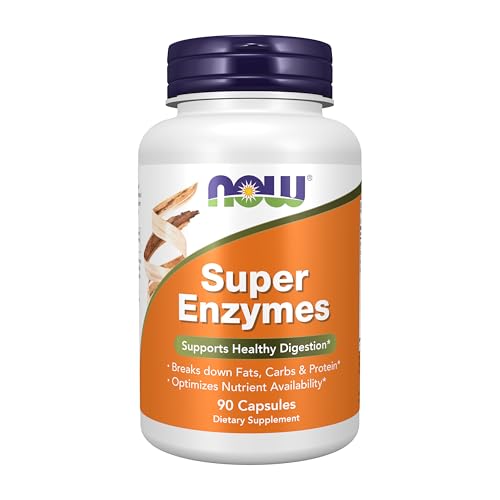
NOW Super Enzymes differs by naming four components: bromelain, ox bile, pancreatin, and papain. Its directions call for 1 capsule with a meal, half the capsule count per daily serving compared with a 2-capsule routine from either Dr. Berg formula. The 90-capsule bottle suits someone looking for a blend with several named enzymes and ox bile.
Bottom line: Choose this if a one-capsule meal serving and several named ingredients matter most.
Doctor’s Best Digestive Enzymes
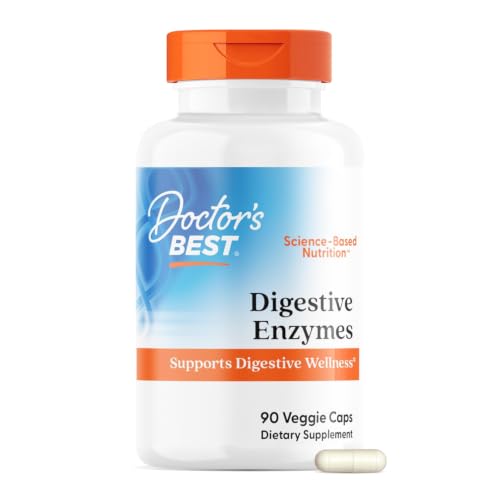
Doctor’s Best emphasizes a broad enzyme profile, naming amylase, protease, cellulase, and glucoamylase rather than the ox bile focus of some alternatives. The 90-count bottle is directed at 1 capsule with each meal. That makes it a fit for someone who wants a capsule-based blend with several enzyme types named and a one-capsule meal serving.
Bottom line: Pick this for a broad named enzyme profile and one capsule with each meal.
Physician’s Choice Digestive Enzymes

Physician’s Choice stands apart by combining a 16-enzyme formula with prebiotics and soil-based probiotic strains. The 90-count bottle suits shoppers who want these added components alongside enzymes, rather than a formula centered on betaine HCl or ox bile.
Bottom line: Choose this if you want enzymes combined with prebiotics and probiotics.
How to compare digestive enzyme blends
Start with the ingredients named on the label, then compare the suggested serving and capsule count. Digestive enzymes act on different food components: amylase breaks down starches, proteases break down proteins, and lipases break down fats. A longer ingredient list does not by itself show how much of each enzyme a serving contains, so amounts and activity units matter when they are provided. Ingredients such as ox bile or betaine HCl are not the same thing as enzyme names; compare them as separate parts of a formula. A practical rule is to choose a product that names the ingredients you specifically want and gives a serving direction that fits your meal routine, rather than relying on broad claims such as “complete.”
Capsule counts and meal servings
Capsule count only tells you how many capsules are in the bottle; the recommended number per day determines how long it lasts. For example, 90 capsules at 2 per day equals 45 days, while 90 capsules at 1 per day equals 90 days if taken every day. Serving directions also differ: some formulas specify a capsule with each meal, while others say to take a daily serving with a meal. Match the count to your actual routine and use the package directions rather than assuming every meal requires a dose. If you have difficulty swallowing capsules or take several supplements with meals, serving size and frequency may be as important as ingredient choice.
What enzyme categories mean
Enzyme names help distinguish what a blend is designed to act on. Amylase is associated with starch digestion, protease with proteins, and lipase with fats; cellulase and glucoamylase are other enzyme names appearing in some blends. A product that lists a named enzyme gives more ingredient-level specificity than one described only as a proprietary blend. However, names alone do not reveal the amount or activity of each enzyme, and more enzyme types do not automatically establish that a formula is a better fit. Compare the label’s amount and activity information when available, along with the serving instructions and any extra ingredients such as probiotics or bile components.
Using supplements safely
Use digestive enzyme supplements according to the package directions and avoid taking more capsules than directed to make up for a missed serving. Dietary supplements can interact with medicines or be unsuitable for some health circumstances, so ask a clinician or pharmacist before use if you take medication, have a medical condition, are pregnant, or are nursing. Keep capsules in their original container and follow its storage directions; moisture and heat can affect many supplements. Stop use and seek medical advice if you experience an unexpected reaction. Supplements are not a substitute for diagnosis or treatment of persistent digestive symptoms, which warrant advice from a qualified health professional.
Frequently Asked Questions
What do digestive enzymes do in a supplement?
Digestive enzymes help break food into smaller components during digestion. Amylase, protease, and lipase are commonly used names for enzymes that act on starches, proteins, and fats, respectively.
Should digestive enzymes be taken with meals?
Many digestive enzyme formulas direct use with a meal, but the serving differs by product. Check whether the specific label says one capsule or multiple capsules and whether it applies to each meal or once daily.
What is the difference between betaine HCl and ox bile?
Betaine HCl and ox bile are distinct ingredients, not interchangeable enzyme names. Compare them separately from the enzymes when deciding which formula matches your ingredient preferences.
Do more enzyme types mean a stronger supplement?
A higher number of named enzyme types does not by itself establish greater strength. Check the amount or activity listed for each enzyme, since ingredient names alone do not show the dose.
Can digestive enzyme supplements interact with medication?
Supplements can affect medication use, and the risk depends on the ingredients and the individual. Ask a clinician or pharmacist before starting one if you take prescription or over-the-counter medicines.