
Dr. Melaxin Eye Cream: Compare 3 Under Eye Picks

For a traditional under eye cream, Dr.Melaxin Calcium Eye Cream is the clearest fit because it is a calcium cream made for the eye area and comes in a 0.52-ounce size. Choose Dr.Melaxin Eyephalt Under Eye Cream if retinol, bio-spicule, EGF and niacinamide matter more; Dr.Melaxin Collagen Multi Balm Stick is a stick balm rather than a cream.
We earn a commission if you buy through links on this page. As an Amazon Associate I earn from qualifying purchases. Products are compared on manufacturer specifications, not hands-on testing.
- Best overall: Dr.Melaxin Calcium Eye Cream – An eye-area calcium cream with a soft, non-sticky texture.
- Best for retinol: Dr.Melaxin Eyephalt Under Eye Cream – Combines liposomal biomimetic retinol with bio-spicule, EGF and niacinamide.
- Best for multi-use: Dr.Melaxin Collagen Multi Balm Stick – A balm stick is designed for the eye area, face, forehead and neck.
| Product | Best for | Format | Notable ingredients | Shop |
|---|---|---|---|---|
| Dr.Melaxin Calcium Eye Cream | Cream texture | Cream | Calcium, vitamin D | Check Price on Amazon |
| Dr.Melaxin Eyephalt Under Eye Cream | Retinol formula | Eye cream | Retinol, bio-spicule, EGF, niacinamide | Check Price on Amazon |
| Dr.Melaxin Collagen Multi Balm Stick | Multi-area balm | Balm stick | Calcium, collagen, adenosine, elastin | Check Price on Amazon |
Dr. Melaxin Eye Creams and Under Eye Formulas
Compare the creams with a multi-use balm stick by texture, formula and intended application area.
Dr.Melaxin Calcium Eye Cream

For shoppers who want a cream rather than a stick, this formula has a soft, non-sticky texture and is intended for the under eye area. The maker says its calcium REBORNIC material is combined with vitamin D to support absorption and collagen and elastin retention. Apply it near both eyes at the end of skin care, then gently pat it in. The 0.52-ounce pack is larger by amount than the 0.33-fluid-ounce eye cream. The formula is a poor match for anyone specifically seeking retinol or a solid balm format.
Bottom line: Choose this if you want a soft-textured calcium cream for the eye area.
Dr.Melaxin Eyephalt Under Eye Cream
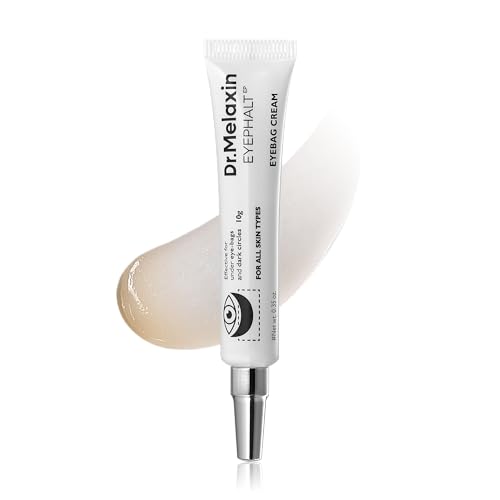
This eye cream is the retinol-focused alternative, combining liposomal biomimetic retinol with bio-spicule, EGF and niacinamide. The maker says it is intended to improve the visible look of dark circles, puffiness, bags and hollow-looking tear troughs. Its 0.33-fluid-ounce container is smaller by amount than the calcium eye cream, a relevant distinction for shoppers comparing package size. Retinol can irritate sensitive skin, so introduce it gradually and stop if irritation develops; this is not the pick for someone avoiding retinoids.
Bottom line: Pick this if you want an eye cream whose formula includes retinol.
Dr.Melaxin Collagen Multi Balm Stick
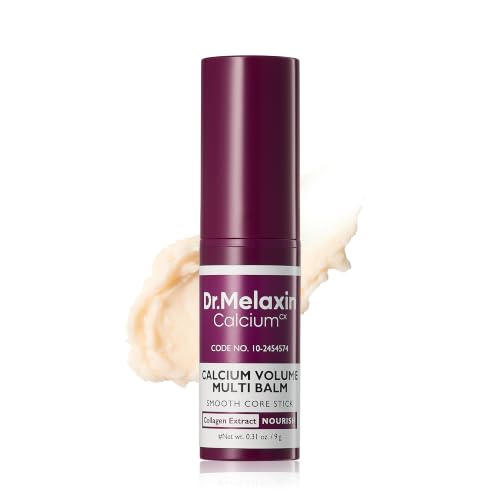
Unlike the two creams, this is a solid balm stick intended for application around the eyes as well as the forehead, neck and nasolabial folds. The maker says its calcium-and-collagen complex includes adenosine, collagen extract and elastin, and cites a consumer clinical study of visible wrinkle changes after one application. The 0.31-ounce stick offers a finger-free format for targeted use. It is only a partial match for an eye cream search: choose it for a portable multi-area balm, not if you specifically want a cream texture.
Bottom line: Choose this if you prefer a stick balm that can be used on several facial areas.
How to choose an under eye formula
Choose by texture and ingredients, not by broad promises about dark circles or puffiness. Creams spread over a wider area, while a balm stick gives more targeted, finger-free application; neither format can change the underlying cause of discoloration or hollowness. Retinol is commonly used in skin-care formulas for the look of fine lines, but sensitive skin may need a slower introduction. A practical rule is to begin a retinol eye product on two nonconsecutive evenings a week, then increase only if skin stays comfortable. Keep it away from the lash line and discontinue use if burning or persistent redness occurs. For daytime routines, broad-spectrum SPF 30 or higher helps protect exposed skin; sunglasses add physical coverage.
How to apply eye cream safely
Use a small amount and keep eye products on the orbital bone rather than directly on the eyelid or in the eye. The skin around the eyes is thin, and rubbing can add friction without improving absorption. Patch-test a new formula on a small area away from the eye for several days before regular use, especially when it contains retinol or other potentially irritating ingredients. Avoid applying a new active formula to broken or already irritated skin. If you use more than one active product, introduce them one at a time so irritation has a clearer cause. Persistent swelling, rash or eye pain calls for stopping the product and seeking medical advice rather than adding another cream.
Eye cream, balm and ingredient differences
Eye creams and balm sticks differ most in format and where the maker intends them to be used. A cream is suited to spreading over the under eye area; a stick can be swiped onto more targeted areas and, in some formulas, used beyond the eye area. Ingredient names do not guarantee the same concentration or effect across products, so choose according to the formula you want and your skin’s tolerance. Retinoids can increase irritation, while fragrance-free products may be a useful choice for fragrance-sensitive skin; check the packaging for that attribute when it matters.
The table separates the formulas by format and ingredients:
| Formula type | Typical use | Consideration |
|---|---|---|
| Eye cream | Spread over under eye skin | Check active ingredients and tolerance |
| Balm stick | Targeted swipe application | May suit more than one area |
| Retinol eye formula | Fine-line appearance routine | Introduce gradually to sensitive skin |
What to consider about dark circles and puffiness
Dark circles can reflect several factors, including natural pigmentation, visible blood vessels, shadow from facial structure and temporary puffiness. Topical products may change the look of hydrated skin, but a cream cannot reliably address every cause. Morning puffiness often fluctuates; a cool compress for several minutes can temporarily reduce the appearance of swelling, while persistent or one-sided swelling deserves medical attention. For pigmentation that worsens with sun exposure, daily broad-spectrum SPF 30 or higher and sunglasses are more relevant than switching between eye creams alone. If discoloration or swelling changes suddenly, consult a clinician instead of relying on cosmetic products.
Frequently Asked Questions
Can eye cream get rid of dark circles?
Eye cream may improve the look of dryness or puffiness, but dark circles can come from pigmentation, visible vessels or facial shadows. Persistent discoloration may need assessment beyond topical skin care.
How often should I use a retinol eye cream?
Start a retinol eye cream on two nonconsecutive nights per week and increase only if the skin remains comfortable. Keep it away from the lash line, and stop if irritation persists.
Should eye cream go on before moisturizer?
Apply eye cream after cleansing and before a thicker face moisturizer if its texture is lighter. Use a small amount on the orbital bone and avoid getting product into the eye.
Can I use eye cream on my eyelids?
Avoid putting eye cream on the eyelids unless its packaging specifically directs that use. Keep products away from the lash line because migration can irritate the eyes.
Does a balm stick work differently from eye cream?
A balm stick is swiped directly onto targeted areas, while a cream is spread with a fingertip. The stick format can be convenient for multi-area application, but it is not a cream texture.