
Dried Flower Preservative Spray: 4 Options Compared

For a spray named specifically for petals, choose Design Master 661 Petal Proofer; its Petal Proofer name makes it the closest match, while the other sealers are general craft coatings. Choose an acrylic sealer instead when you want a clear matte or gloss coat on a craft project, rather than a product identified for petals.
We earn a commission if you buy through links on this page. As an Amazon Associate I earn from qualifying purchases. Products are compared on manufacturer specifications, not hands-on testing.
- Best overall: Design Master 661 Petal Proofer – Its Petal Proofer name is the closest match to a spray for floral petals.
- Best for matte crafts: Aleene’s Spray Acrylic Sealer Matte, 6 oz – It has a clear matte finish for projects where gloss is unwanted.
- Best for gloss crafts: Mod Podge Acrylic Sealer Gloss, 12 oz – Its acrylic sealer dries to a glossy clear finish.
| Product | Best for | Intended use | Finish | Can size | Shop |
|---|---|---|---|---|---|
| Design Master 661 Petal Proofer | Floral petal spray | Petal Proofer | — | 11 oz | Check Price on Amazon |
| Aleene’s Spray Acrylic Sealer Matte, 6 oz | Matte craft finish | Craft projects | Clear matte | 6 oz | Check Price on Amazon |
| Mod Podge Acrylic Sealer Gloss, 12 oz | Gloss craft finish | Craft projects | Clear gloss | 12 oz | Check Price on Amazon |
| Krylon Crystal Clear Acrylic Coating, 6 oz | Gloss craft coating | Acrylic coating | Gloss | 6 oz | Check Price on Amazon |
Dried Flower Preservative Sprays
Compare the floral-named spray with general-purpose acrylic sealers by purpose and finish.
Design Master 661 Petal Proofer

Unlike the other options here, this aerosol is named Petal Proofer, making it the closest fit when you are specifically looking for a floral spray. The product facts do not describe the finish or application directions, so do not assume it leaves a particular sheen or is intended for every type of dried flower.
Bottom line: Choose this when a floral petal spray is your priority.
Aleene’s Spray Acrylic Sealer Matte, 6 oz

Aleene’s is the matte option among these general craft sealers, unlike the gloss finishes of Mod Podge Acrylic Sealer Gloss, 12 oz and Krylon Crystal Clear Acrylic Coating, 6 oz. The product says its acrylic spray is non-yellowing, fast-drying, and weatherproof for indoor and outdoor projects. That makes it a possible fit when the goal is to coat a craft or artwork with a flat clear finish, not when you specifically need a floral product. Its 6-ounce can is smaller than the 12-ounce Mod Podge can.
Bottom line: Pick this for a clear matte craft topcoat, not a purpose-specific floral spray.
Mod Podge Acrylic Sealer Gloss, 12 oz
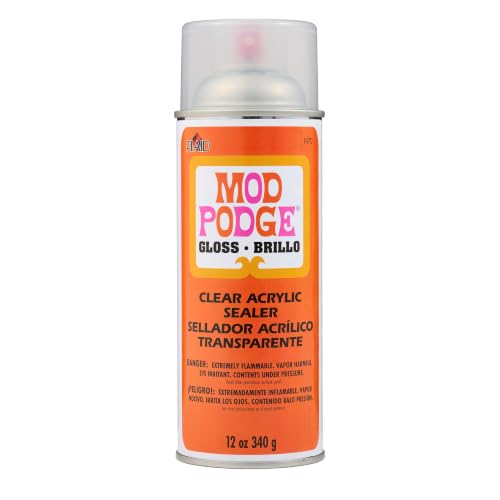
Mod Podge stands apart from Aleene’s Spray Acrylic Sealer Matte, 6 oz by drying glossy rather than matte, and its 12-ounce can is larger than that option’s 6-ounce can. The product says the clear acrylic formula works on surfaces including wood, metal, canvas, and terra cotta. It is a general craft sealer, not a spray identified for petals, so choose it only if a glossy craft coating fits the project. The product advises a fitted respirator and safety eyewear during and after application.
Bottom line: Choose this for a glossy finish on craft surfaces when floral-specific use is not required.
Krylon Crystal Clear Acrylic Coating, 6 oz
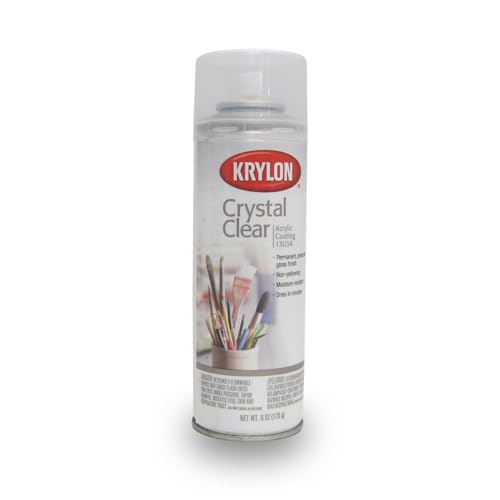
Krylon is identified as an acrylic coating, whereas Aleene’s Spray Acrylic Sealer Matte, 6 oz is explicitly a matte acrylic sealer and Mod Podge Acrylic Sealer Gloss, 12 oz identifies craft surfaces it can coat. Its finish is gloss and its can size is 6 ounces. The available product facts provide no application or use details beyond a brief craft-oriented phrase, so it is a less clearly specified choice for a flower-related project. Consider it only when the project calls for a glossy clear acrylic coating and you can confirm the intended use on the can.
Bottom line: Pick this only when a gloss acrylic coating suits the project and its intended use is confirmed.
How to Choose a Dried Flower Spray
Start with intended use: a product named for petals is a closer match than a general craft sealer. Acrylic sealers are formulated as clear craft topcoats; a matte finish reduces shine, while gloss adds a reflective surface. For dried flowers, test a small, inconspicuous area first because delicate petals can be brittle and a coating may change their appearance or texture. Apply aerosol products outdoors or in strong ventilation, away from flames and heat; follow the can’s safety directions. If preserving the flower’s natural look matters more than coating it, avoid choosing solely by the word “clear”—clear describes color, not whether the spray leaves visible sheen.
Matte and Gloss Finishes for Flower Crafts
Matte finishes reduce reflected light, while gloss finishes reflect more light; that difference can change how dried petals appear under indoor lighting. The product choices here include a clear matte acrylic sealer and clear gloss craft coatings, but only one is named for petals. A practical decision rule is to use a matte craft sealer only when a flat finish is wanted, and a gloss one only when added shine is acceptable. Neither “clear” nor “non-yellowing” alone confirms suitability for every botanical material. Delicate flowers can crack or shed when handled, so keep the spray pass light and avoid saturating the petals. Aerosol overspray can reach nearby surfaces; protect the work area and keep cans away from ignition sources.
Applying Spray to Dried Flowers
Use short, light passes rather than holding an aerosol close to one spot; a heavy wet coating can weigh down fragile petals. Work in a ventilated outdoor area, place the arrangement on a protected surface, and keep the can moving. Let each pass dry before deciding whether another is needed, using the can’s directions for its specific drying and recoat times. Do not spray near open flames, pilot lights, or hot surfaces: aerosol products may be flammable. Test a hidden section first, since color, texture, and brittleness vary among flower varieties and drying methods. Keep the arrangement untouched until the coating is fully dry, not merely dry to the touch.
Using Craft Sealers on Floral Arrangements
General-purpose acrylic sealers may be considered for flower crafts, but their product facts do not establish that they are formulated specifically for petals. Compare intended use and finish before spraying: a matte craft coating and a gloss craft coating create different looks, while a petal-named product is the closest match for a floral-purpose spray. Paper, ribbon, glass, and other materials in a mixed arrangement may react differently from dried botanicals, so test each material where it will be inconspicuous. Keep children and pets away during application and drying, and follow the aerosol can’s safety directions. For a mixed project, mask surfaces that should remain uncoated and avoid spraying in an enclosed room.
Frequently Asked Questions
Can acrylic sealer be used on dried flowers?
Acrylic sealer may suit a flower craft when a clear topcoat is wanted, but a general craft sealer is not the same as a product named for petals. Test a small hidden area first because brittle petals can change in appearance or texture.
Should dried flowers get a matte or gloss spray?
Choose matte when you want less reflected shine and gloss when you want a reflective finish. Test a single inconspicuous flower first, since finish can affect how delicate petals look.
How far away should spray be from dried flowers?
Use the distance printed on the aerosol can because spray patterns differ by product. Apply light, moving passes rather than saturating petals, and test first to avoid a heavy coating on fragile flowers.
Is it safe to spray flowers indoors?
Aerosol sprays should be used in a well-ventilated area, preferably outdoors, and away from flames, pilot lights, and heat. Some sprays call for respiratory protection and eye protection, so read the can’s precautions before use.
How do I stop dried petals from breaking?
Handle dried flowers as little as possible because their petals can be brittle, and support stems while arranging them. Apply any spray in light passes and let each layer dry before moving the flowers.