
Fidget Toys for Hair Pulling: 5 Styles Compared

For a small, tool-free silicone pad with fibers designed for finger pulling, choose 3-Piece Silicone Pulling Pads; MoKo Two-Piece Picky Pads is another pad option that uses tweezers. Pick a wearable style instead if you want a fidget on your wrist, or a pocket tool if you prefer beads and a sliding ring.
Fidget toys can offer a competing hand activity, but they are not a treatment for hair-pulling disorder.
We earn a commission if you buy through links on this page. As an Amazon Associate I earn from qualifying purchases. Products are compared on manufacturer specifications, not hands-on testing.
- Best overall: 3-Piece Silicone Pulling Pads – Its silicone pad is designed for direct finger use, with embedded fibers for pulling resistance.
- Best for wearable softness: Fluffy Strand Sensory Wrist Cuff – The wrist cuff has fluffy strands to squeeze and pull.
- Best for varied motions: QCWN Plush Fidget Cube Keychain – The pocket-size accessory combines a telescoping ring and sliding beads.
| Product | Best for | Format | Tactile feature | Count | Shop |
|---|---|---|---|---|---|
| 3-Piece Silicone Pulling Pads | Direct finger fidgeting | Silicone pad | Embedded fibers | 3 pads | Check Price on Amazon |
| MoKo Two-Piece Picky Pads | Tool-based fidgeting | Silicone pad | Tweezers and pad | 2 pads | Check Price on Amazon |
| Fluffy Strand Sensory Wrist Cuff | Wearable soft texture | Wrist cuff | Fluffy strands | — | Check Price on Amazon |
| QCWN Plush Fidget Cube Keychain | Multiple tactile motions | Plush keychain | Sliding beads, ring | — | Check Price on Amazon |
| FAMCHAINS Stretch Picking Bracelet | Stretching fidget motion | Stretch bracelet | Elastic stretch | — | Check Price on Amazon |
Fidget Toys for Hair Pulling
Choose by the hand motion and form you are most likely to reach for when an urge starts.
3-Piece Silicone Pulling Pads
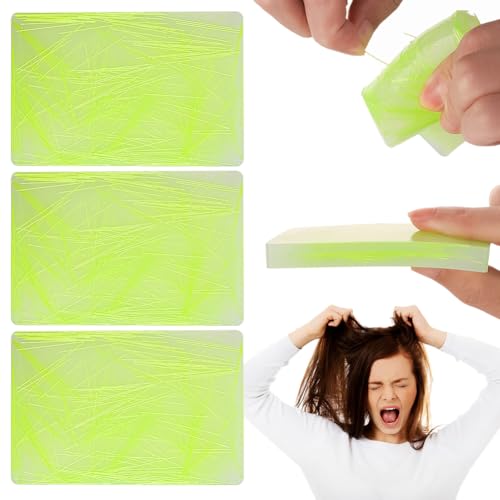
Unlike the tweezer-based pad, this set is made for direct finger fidgeting. The silicone pad measures 3.5 × 2.4 × 0.5 inches, and the maker says its densely packed fibers provide resistance for bending, gripping and pulling. That makes it a fit for someone who wants a hand-sized tactile option without a separate tool. The set includes three pads. A limitation is that the texture is specifically designed to simulate pulling; people who find that sensation triggering may prefer a neutral-texture fidget instead.
Bottom line: Choose this if direct finger pulling on a silicone pad is the motion you want to redirect.
MoKo Two-Piece Picky Pads
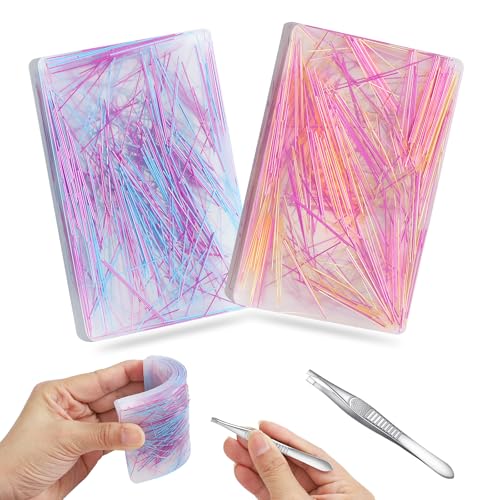
These two small silicone pads differ from direct-use options by pairing the pad activity with tweezers. Each pad measures 3.54 × 2.36 × 0.39 inches, and the maker says the activity is intended to redirect skin-picking, hair-pulling and nail-biting urges. The pair suits someone who prefers a tool-mediated motion and wants more than one pad. The limitation is practical: using tweezers calls for both the tool and pad, so this is less convenient for discreet, one-handed fidgeting than a wearable design.
Bottom line: Choose this if a tweezer-and-pad activity suits your preferred hand motion.
Fluffy Strand Sensory Wrist Cuff

This option is worn on the wrist, unlike the loose pads and pocket accessory. Its fluffy strands are intended to be squeezed and pulled, and the maker describes the cuff as portable for office, classroom or travel use. It may suit someone who wants a tactile item already at hand rather than one to retrieve from a pocket. The dimensions are 1 × 1 × 1 inch, but those figures do not clarify how the cuff fits a wrist; confirm wrist fit before ordering if sizing matters.
Bottom line: Choose this if you want a soft, wearable fidget rather than a separate pad.
QCWN Plush Fidget Cube Keychain
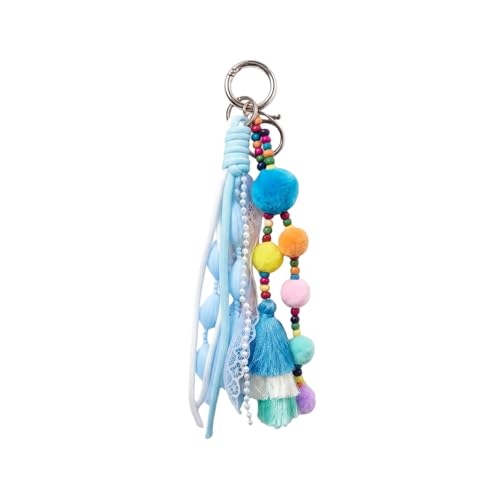
Instead of a single pulling surface, this pocket-size keychain combines a telescoping ring and smooth sliding beads with a plush texture. The maker says the components offer multiple tactile motions for adults managing hair-pulling or skin-picking urges. It suits someone who likes switching between movements while keeping a small accessory attached to keys or a bag. The dimensions are 0.1 × 0.1 × 0.1 inch, which do not provide a useful physical size estimate, so verify the actual dimensions if pocket fit is important.
Bottom line: Choose this if beads and a sliding ring give your hands more useful motions than a pad.
FAMCHAINS Stretch Picking Bracelet

This bracelet focuses on a repeated stretch-and-release motion rather than fibers, strands or moving beads. Its maker says the elastic material is designed for repeated stretching and has an easy-wipe surface. The wearable format may suit someone who wants a low-profile fidget for a classroom or office. The limitation is that the tactile action is less varied than a multi-part cube or a fiber pad, and the maker cautions that the item is not intended for a specific use; consider whether stretching feels like a useful substitute for your pulling motion.
Bottom line: Choose this if a wearable stretch-and-release action is the motion you prefer.
How to choose a hair-pulling fidget
Start with the hand motion you want to replace, not a claim that a fidget will stop hair pulling. Habit-reversal training, a behavioral approach used for body-focused repetitive behaviors, commonly teaches awareness of the urge and a competing response that keeps the hands occupied. A pad, soft strand, sliding bead or stretch bracelet offers different movements; choose one that is easy to reach at the moment the urge tends to occur. If pulling is causing distress or injury, a fidget is not a substitute for professional care. A clinician familiar with body-focused repetitive behaviors can discuss treatment options such as habit-reversal training.
Use this simple match: pick a direct-use pad for finger pulling, a wearable for ready access, or a multi-motion accessory if one repetitive motion loses your attention.
Compare fidget formats and hand motions
Fidget formats differ most in how the hands interact with them. A silicone pad provides a surface to press or pull; a wearable strand cuff offers a soft texture on the wrist; a bracelet emphasizes stretching; and a cube-style accessory can combine sliding and rotating motions. If a motion closely resembles the behavior you are trying to redirect and feels uncomfortable, choose a different tactile action rather than forcing it.
The table matches format to motion, so it can guide a choice before considering color or portability.
| Format | Main hand motion | Consider when |
|---|---|---|
| Fiber pad | Grip and pull | You want finger contact with a pad |
| Wrist cuff | Squeeze and pull strands | You want a wearable soft texture |
| Stretch bracelet | Stretch and release | You prefer a repeated elastic motion |
| Bead-and-ring accessory | Slide and move parts | You want more than one motion |
Use and care for small sensory fidgets
Keep small fidgets and detachable pieces away from children younger than 3 because small parts can present a choking hazard. The products here include compact formats and interactive components, so supervise young children and stop using any item if a part comes loose or the material is damaged. Clean hands before using a shared sensory item, and wipe or wash a fidget only in a way that is compatible with its materials; silicone and plush do not necessarily tolerate the same cleaning method.
For a wearable item, check that it sits comfortably without pinching or restricting circulation. If a fidget increases the urge rather than redirecting it, put it aside and try a different hand motion or seek support from a qualified clinician.
Frequently Asked Questions
Can a fidget toy stop hair pulling?
A fidget toy can provide a competing hand activity, but it is not a proven standalone treatment for hair-pulling disorder. Habit-reversal training is a behavioral approach that can include noticing urges and practicing a competing response.
What kind of fidget works for hair pulling urges?
Choose the hand motion that feels like a useful substitute: a pad for finger pulling, a soft cuff for squeezing strands, or beads for sliding. If a pulling-like texture makes the urge stronger, try a less similar motion.
Are small fidget toys safe for young children?
Small items and detachable parts can be choking hazards for children younger than 3. Keep them out of reach of that age group and supervise older children with accessories that have moving parts.
How should I clean a sensory fidget?
Cleaning depends on the material: silicone and plush may need different care. Check the item’s material-care guidance before washing, and avoid using a fidget that is damaged or shedding parts.
When should I seek help for hair pulling?
Seek professional support if hair pulling causes distress, injury or interferes with daily life. A clinician familiar with body-focused repetitive behaviors can discuss options such as habit-reversal training.