
First Defense Nasal Screens: Compare Sizes and Packs

Choose First Defense Nasal Screens, Medium, First Defense Nasal Screens, Large or First Defense Nasal Screens, Small by which size fits comfortably at your nostrils; each is a First Defense nasal screen, a lightweight filter worn at the nose rather than inserted. The products here are size options, not a single one-size choice.
Choose a different type of nose filter if you want filtration media with a particle-size figure; these First Defense options do not provide one.
We earn a commission if you buy through links on this page. As an Amazon Associate I earn from qualifying purchases. Products are compared on manufacturer specifications, not hands-on testing.
- For medium fit: First Defense Nasal Screens, Medium – The medium option comes as seven pairs in one package.
- For large fit: First Defense Nasal Screens, Large – The large option includes seven sets, with each set intended for 24 hours.
- For small fit: First Defense Nasal Screens, Small – The small option is identified as a seven-pack.
| Product | Best for | Size | Pack quantity | Shop |
|---|---|---|---|---|
| First Defense Nasal Screens, Medium | Medium fit | Medium | 7 pairs | Check Price on Amazon |
| First Defense Nasal Screens, Large | Large fit | Large | 7 sets | Check Price on Amazon |
| First Defense Nasal Screens, Small | Small fit | Small | 7-pack | Check Price on Amazon |
First Defense nasal screens by size
Compare the size and pack information, then choose the option that fits comfortably at your nostrils.
First Defense Nasal Screens, Medium
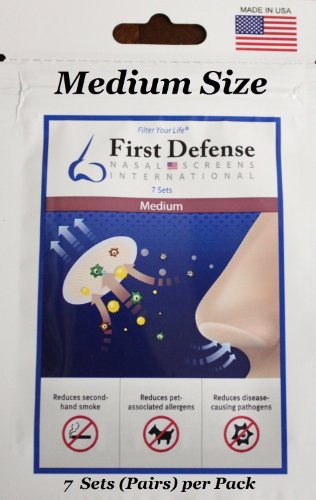
The medium size is the distinguishing feature of this First Defense option, which is sold as one package of seven pairs. The screens are described as lightweight, latex-free and hypoallergenic, and as worn without insertion. Choose this size if it rests comfortably at the nostrils without pressure or gaps; a size label alone cannot guarantee a good fit.
The maker says the screens filter inhaled air and reduce inhalation of allergens.
Bottom line: Choose this if the medium size fits comfortably.
First Defense Nasal Screens, Large
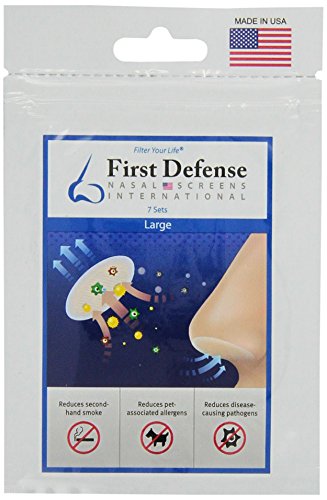
The large size is the only option here with a wear interval: each set is intended for 24 hours. One pack contains seven sets, and the screens are described as lightweight, latex-free and hypoallergenic. That makes the interval useful for planning daily changes, but comfort and placement still determine whether the large size is right for you.
The maker says the screens help filter inhaled air and reduce inhalation.
Bottom line: Pick this if large fits and a 24-hour wear interval suits your routine.
First Defense Nasal Screens, Small

The small size is the key distinction for this First Defense option, which is identified as a seven-pack. A screen that feels pinching or shifts out of place is a poor fit, even if the size name seems right.
Choose the small option when it rests comfortably and stays positioned during ordinary breathing.
Bottom line: Choose this if the small size sits comfortably at your nostrils.
How to choose a nasal screen size
Choose by comfortable placement at the nostrils, not by size name alone. Nasal screens sit at the entrance of the nose rather than going inside; pressure, shifting, or an obvious gap are signs to reassess the fit.
Try a size only if it can be placed as intended without forcing or pinching. Nasal screens are not interchangeable with a respirator: a loose-fitting screen does not create the face seal used by a fitted respirator. If your situation requires a certified respirator or a defined filtration rating, choose equipment labeled for that purpose rather than relying on a size label.
What the pack counts and wear time mean
Compare how many pairs or sets come in a pack, and distinguish pack quantity from wear time. The medium option contains seven pairs, the large option contains seven sets, and the small option is called a seven-pack. Only the large option gives a wear interval: the maker says each set is good for 24 hours.
Do not assume that the same interval applies to every size just because the products share a name. Replace or stop wearing a screen if it becomes damaged, dirty, wet, or uncomfortable; these are practical hygiene and fit checks, not a substitute for product-specific wear directions. For the medium and small options, confirm the intended replacement timing before relying on a daily schedule.
How nasal screens differ from masks
Nasal screens filter at the nostrils, while masks cover the nose and mouth and respirators are designed to provide a close-fitting seal when properly selected and fitted. That difference matters: a nasal screen leaves the mouth uncovered and should not be treated as equivalent respiratory protection for a hazardous environment.
Choose the device by the exposure and the protection required, not by comfort or visibility alone. For workplace hazards, follow the employer’s respiratory-protection program and the applicable equipment requirements; ordinary nasal screens do not establish a respirator rating. People with breathing symptoms or specific medical concerns should ask a clinician what type of protection is appropriate.
Fit and replacement mistakes to avoid
The most common sizing mistake is choosing from the word small, medium, or large without checking how the screen actually rests. A suitable fit should feel comfortable and stay in place without being pushed deeply into the nose. Stop using a screen that causes irritation or makes breathing uncomfortable, and do not force a larger or smaller size into position.
A second mistake is treating a pack count as a replacement schedule. Seven pairs or sets tells you the amount in the package, while only the large option provides a 24-hour interval. Check the wear guidance for the size you select, keep the screens clean and dry before use, and discard any screen that is damaged or visibly soiled.
Frequently Asked Questions
Do First Defense nasal screens go inside the nose?
No, they are worn at the nostrils rather than inserted. A comfortable fit should not require pushing a screen into the nasal passage.
How many pairs come in a medium First Defense pack?
The medium package contains seven pairs. That count indicates the package quantity, not a wear duration for each pair.
When should I stop wearing a nasal screen?
Stop if a screen becomes damaged, wet, visibly soiled, irritating, or uncomfortable. A screen that shifts or pinches also signals a poor fit and should not be forced into place.