
Food Safe Clear Coat: Epoxy, Sealer and Wood Finish

For a food safe clear coat, Art ’N Glow’s 32-ounce epoxy resin is the closest match because its product name identifies it as food safe and it is intended for casting and coating. Choose a different type if you need a dishwasher safe decoupage sealer or a wipe-on wood finish rather than epoxy.
“Clear coat” can mean a transparent protective layer; these options use different materials and suit different surfaces, so match the finish to the project.
We earn a commission if you buy through links on this page. As an Amazon Associate I earn from qualifying purchases. Products are compared on manufacturer specifications, not hands-on testing.
- Best overall: Art ’N Glow Clear Epoxy Resin, 32 oz – A 32-ounce clear epoxy kit specifically identified as food safe and intended for casting and coating.
- Best for small pours: Nicpro Clear Epoxy Resin, 8 oz – An 8-ounce clear epoxy resin identified as food safe, with warm-workspace guidance.
- Best for decoupage: Mod Podge Dishwasher Safe Gloss, 16 oz – A 16-ounce glossy glue, sealer and finish described for dishwasher safe craft projects.
| Product | Best for | Finish type | Size | Application | Shop |
|---|---|---|---|---|---|
| Art ’N Glow Clear Epoxy Resin, 32 oz | Large craft pours | Epoxy resin | 32 oz | Casting and coating | Check Price on Amazon |
| Mod Podge Dishwasher Safe Gloss, 16 oz | Decoupage crafts | Glue, sealer and gloss | 16 oz | Brush-on decoupage | Check Price on Amazon |
| Nicpro Clear Epoxy Resin, 8 oz | Small epoxy projects | Epoxy resin | 8 oz | Coating and casting | Check Price on Amazon |
| Watco Butcher Block Clear Oil & Finish, 16 oz | Wood conditioning | Oil and wood finish | 16 oz | Wipe-on wood finish | Check Price on Amazon |
Food Safe Clear Coats Compared
Match the finish material and application to the surface and project before choosing.
Art ’N Glow Clear Epoxy Resin, 32 oz

Unlike the smaller epoxy option, this 32-ounce kit offers more resin for projects such as coasters, molds, jewelry and wood coatings. Art ’N Glow specifies a 1:1 mix ratio by volume and a 40-minute work time; it says the resin hardens to 80+ Shore D in 24 hours. The maker also identifies it as food safe and describes UV stabilizers and bubble-release technology. It suits a project that calls for a clear epoxy layer and a larger quantity. Epoxy requires accurate measuring and mixing, so it is less suitable when you need a ready-to-brush or wipe-on finish.
Bottom line: Choose it for larger casting or coating work that calls for epoxy.
Mod Podge Dishwasher Safe Gloss, 16 oz
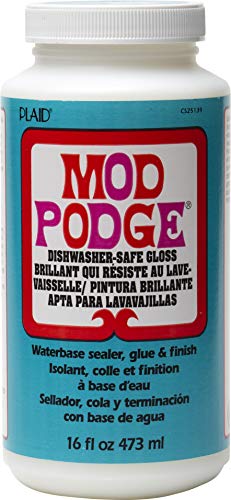
This is a brush-on craft sealer rather than a casting epoxy or a wood-conditioning finish. Mod Podge describes it as a clear-drying, hard glossy finish for decoupage projects on surfaces such as mugs, wine glasses and tumblers, and specifies top-rack dishwasher use. It suits decorated objects where a glue-and-seal product is the intended layer, not a poured coating. Its dishwasher safe claim applies to the maker’s use; it is not identified here as a food-contact coating, so do not assume the cured surface is suitable for direct food contact.
Bottom line: Pick it for decoupage projects where a brush-on gloss is the needed finish.
Nicpro Clear Epoxy Resin, 8 oz

Nicpro’s 8-ounce size makes it distinct from the larger epoxy kit and better suited to a smaller coating or casting job. The maker identifies the resin as food safe and says the cured product meets food-grade standards; it also describes a high-gloss clear finish that resists heat, scratches and yellowing. Nicpro advises warming unopened containers in 100–120°F water for 10–15 minutes in cold conditions, keeping the workspace above 70°F, and allowing 24–48 hours in a warm area before demolding. The smaller amount limits its usefulness for projects needing more resin.
Bottom line: Choose it for a smaller epoxy project when its food-safe claim fits the intended use.
Watco Butcher Block Clear Oil & Finish, 16 oz
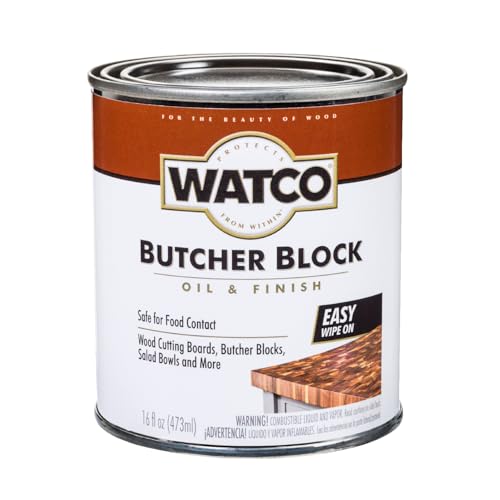
Unlike the craft resins and decoupage sealer, Watco is a clear oil and finish for butcher block and cutting-board wood. Its name identifies it as a food-safe wood finish, making it the wood-specific option among these products. The 16-ounce container is intended for wood conditioning and finishing rather than making a thick, glass-like casting layer. Choose it when the project is a wooden board or butcher block and a wipe-on wood treatment is appropriate. The specifications give no application or curing schedule, so confirm those directions before using it on a food-preparation surface.
Bottom line: Pick it for butcher block or cutting-board wood rather than craft casting.
How to choose a clear coat for food-related projects
Start with the substrate and the role of the finish: epoxy is poured or cast, decoupage sealer is brushed on, and a butcher-block finish is intended for wood. These are not interchangeable just because each can leave a clear surface. Decide whether the coating will touch food directly, protect a decorated surface, or condition a board; a food-safe label alone does not establish every use condition. For a food-contact surface, follow the product maker’s cure and use directions, and do not use a craft sealer for direct food contact unless its directions explicitly permit it. If the object will be washed, check that the finish is intended for that cleaning method. Match quantity to the project too: 8 ounces suits less coverage than a 32-ounce kit.
Epoxy resin versus brush-on sealer and wood finish
Epoxy resin forms a poured coating or casting, while a decoupage product combines glue, sealer and finish for thin brush-applied craft layers. A wood oil finish serves a different purpose: it conditions or finishes wood rather than building a thick resin surface. This distinction matters on cups and boards, where surface decoration, wood treatment and direct food contact have different requirements. The table compares their roles, not food-contact suitability for every possible use; follow the specific product’s directions for that boundary.
| Finish type | Typical role | Application approach |
|---|---|---|
| Epoxy resin | Casting or coating | Measure and mix, then pour |
| Decoupage sealer | Decorated craft surfaces | Brush on |
| Wood oil finish | Butcher block and board wood | Use the maker’s wood-finish directions |
Preparing and curing epoxy clear coats
Epoxy results depend on temperature, mixing and cure conditions, not just the pour. For the Nicpro resin, the maker advises warming closed containers in 100–120°F water for 10–15 minutes when conditions are cold, working above 70°F, and keeping the piece warm for 24–48 hours before demolding. Art ’N Glow specifies a 1:1 ratio by volume and a 40-minute work time, so measure both parts evenly and finish pouring within that window. Keep the work area ventilated and protect skin and eyes when handling uncured resin; avoid touching or using the surface until it has cured according to the manufacturer’s directions.
Common food-safe clear coat mistakes
The main mistake is treating “food safe” as a universal permission for every surface and contact pattern. A finish intended for a cutting board is not automatically the right coating for a drink tumbler, and dishwasher safe decoupage language does not establish direct food-contact suitability. Another common error is choosing only by gloss: epoxy, brush-on sealer and oil finish perform different jobs. For objects that hold food or drink, choose a product whose maker directions address that exact contact and follow its curing instructions before use. On wood, use a wood-specific finish; on cast crafts, use a resin only where epoxy is appropriate. Check curing and contact directions before applying a finish to any food-preparation surface.
Frequently Asked Questions
Can epoxy resin be used on a cutting board?
Only use epoxy on a cutting board when the manufacturer’s directions explicitly cover that intended food-contact use. A food-safe claim by itself does not explain curing, wear or maintenance conditions.
How long should epoxy cure before demolding?
Cure time depends on the resin and conditions. Nicpro advises keeping its resin warm for at least 24–48 hours before demolding, while Art ’N Glow says its resin hardens in 24 hours.
Can dishwasher safe Mod Podge touch food?
Dishwasher safe use does not by itself establish direct food-contact suitability. Mod Podge is described as a decoupage glue, sealer and finish, so use it for decorated craft surfaces rather than assuming it can coat food-contact areas.
What temperature is best for epoxy resin work?
For Nicpro epoxy, the maker advises a workspace above 70°F (21°C). In cold weather, it recommends warming unopened containers in 100–120°F water for 10–15 minutes before mixing.
How do I choose between epoxy and a wood finish?
Choose epoxy for casting or coating projects and a wood-specific oil finish for butcher block or board wood. If the surface will contact food, confirm the product directions cover that exact use before applying it.