
GHK-Cu Peptide Creams Compared by Formula and Feel

For a lightweight daily GHK-Cu peptide cream, Neurogan GHK-Cu Face Cream stands out for its 4% GHK-Cu formula and fast-absorbing texture. Choose a richer balm such as HealthyDerm GHK-Cu Tallow Cream instead if dry areas need a more occlusive moisturizer; the products differ in texture and added ingredients.
GHK-Cu, also called Copper Tripeptide-1, is a copper-binding peptide used in topical skincare formulas.
We earn a commission if you buy through links on this page. As an Amazon Associate I earn from qualifying purchases. Products are compared on manufacturer specifications, not hands-on testing.
- Best overall: Neurogan GHK-Cu Face Cream – Its lightweight, fast-absorbing formula is identified as 4% GHK-Cu for daily facial moisturizing.
- Best for rich moisture: HealthyDerm GHK-Cu Tallow Cream – A beef-tallow balm with Manuka honey and vitamin E is positioned for dry, sensitive skin.
- Best for mature-skin routine: Vigority Copper Peptides Bakuchiol Cream – Combines GHK-Cu with bakuchiol, niacinamide, ceramide NP, squalane, and panthenol.
| Product | Best for | Size | Texture | Notable ingredients | Shop |
|---|---|---|---|---|---|
| Neurogan GHK-Cu Face Cream | Lightweight daily use | 2.12 oz | Lightweight cream | GHK-Cu; unscented | Check Price on Amazon |
| TOSOWOONG Copper Peptide 12 Cream | Multi-peptide formula | 1.69 fl oz | Cream | Copper Tripeptide-1; 12 peptides | Check Price on Amazon |
| HealthyDerm GHK-Cu Tallow Cream | Rich balm moisture | 2 oz | Balm | Beef tallow; Manuka honey; vitamin E | Check Price on Amazon |
| Vigority Copper Peptides Bakuchiol Cream | Mature-skin routine | 3.4 oz | Lightweight, non-greasy | GHK-Cu; bakuchiol; NAD+ | Check Price on Amazon |
GHK-Cu peptide creams
Compare these formulas by texture, size, and the other ingredients that shape how they fit into a routine.
Neurogan GHK-Cu Face Cream

Unlike the richer balm options, this is a lightweight, fast-absorbing facial moisturizer for daily use. The maker says its formula contains 4% GHK-Cu and 2,400 mg, and describes it as suitable for all skin types. Its unscented formula may suit a routine where fragrance is not wanted. The tradeoff is texture: the product’s own guidance says to layer it under a richer occlusive balm if very dry skin needs more protection, rather than relying on it alone for that role.
Bottom line: Choose this if you want a lightweight GHK-Cu moisturizer and plan to layer richer moisture when needed.
TOSOWOONG Copper Peptide 12 Cream
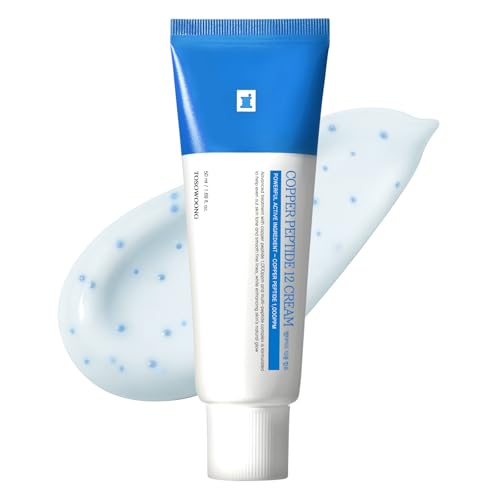
This cream focuses on a multi-peptide blend, setting it apart from formulas built around a balm base or a GHK-Cu percentage. The maker identifies Copper Tripeptide-1 (GHK-Cu), describes it as 99% purity, and names a 12-peptide complex that includes Acetyl Hexapeptide-8 and Palmitoyl Pentapeptide-4. That ingredient-led approach may appeal if you want several peptides in one cream. The limitation is that the specifications do not give a complete ingredient list, so check the package if you need to screen for a particular ingredient.
Bottom line: Choose this if a named multi-peptide blend is your priority.
HealthyDerm GHK-Cu Tallow Cream

This is the richest-feeling option in the group: a face-and-body balm built around grass-fed beef tallow rather than a lightweight cream. The maker says the formula pairs GHK-Cu with methylene blue, Manuka honey, and vitamin E, and positions it for mature, dry, and sensitive skin. Its 2-ounce container may suit someone who wants one moisturizer for face and body. A balm texture is less suited to shoppers who specifically want a light, fast-absorbing facial cream.
Bottom line: Choose this if you prefer a balm texture for dry areas or face-and-body use.
Vigority Copper Peptides Bakuchiol Cream

With a 3.4-ounce size and several supporting ingredients, this cream differs from the smaller, more narrowly described formulas. The maker identifies GHK-Cu and NAD+ alongside bakuchiol and niacinamide, plus ceramide NP, squalane, and panthenol. That combination may fit a routine seeking a moisturizer with multiple ingredients associated with hydration and the skin barrier.
Bottom line: Choose this if you want a larger moisturizer with several complementary ingredients.
How to choose a GHK-Cu peptide cream
Start with texture and routine fit, then compare the formula. GHK-Cu is also known as Copper Tripeptide-1; a product may use that ingredient name rather than the abbreviation. Concentration figures are useful only when a maker gives them, and percentages from different products are not automatically comparable unless the formula basis is clear. For dry skin, a cream or balm that leaves a comfortable moisturizing layer may fit better than a lightweight formula; for oily or combination skin, a lighter texture may be easier to use. If you have fewer than 4 routine steps before sunscreen, prefer a texture that layers without pilling and allow each layer to settle.
How to layer peptide cream in a routine
Apply a moisturizer after water-based serums and before daytime sunscreen. A simple morning sequence is cleanser, optional serum, cream, then broad-spectrum sunscreen rated SPF 30 or higher; sunscreen protects against UV exposure, which topical peptides do not replace. At night, cleanse and apply the cream after lighter treatments. For very dry patches, a thin occlusive layer over the moisturizer can reduce water loss, while oily areas may need less. Introduce one new leave-on product at a time and patch test on a small area for 24 to 48 hours before wider use, especially if your skin is reactive.
GHK-Cu cream textures and formula tradeoffs
Texture often determines whether a moisturizer fits your routine better than the ingredient count does. Lightweight creams spread and layer more readily, while balm-like products leave a richer coating that can suit dry patches but feel heavy on oilier skin. Compare products by the unit and amount shown, not by container height or apparent package size. The table maps common needs to a texture choice; it is a starting point, since skin response and climate can change comfort.
| Need | Texture to consider | Tradeoff |
|---|---|---|
| Light layering | Lightweight cream | May need richer moisturizer on very dry areas |
| Rich feel on dry patches | Balm | Can feel heavy on oily skin |
| Several peptide ingredients | Multi-peptide cream | Ingredient count alone does not establish suitability |
What to check before adding a peptide cream
Check the full ingredient label if you have a known sensitivity, since product summaries may not include every ingredient. A patch test is a practical first step: apply a small amount to an inconspicuous area and wait 24 to 48 hours for irritation before using it more broadly. Avoid applying a new product to broken or irritated skin, and stop if persistent burning, swelling, or a rash develops. If you use prescription skin treatments or have a skin condition, ask a qualified clinician how to fit a new leave-on product into that regimen. Keep daytime sunscreen in the routine; a moisturizer is not sun protection unless it is specifically labeled with SPF.
Frequently Asked Questions
What does GHK-Cu mean in a face cream?
GHK-Cu is a copper-binding peptide also called Copper Tripeptide-1 in skincare ingredient names. The abbreviation and the ingredient name refer to the same peptide complex.
Can I use GHK-Cu cream every day?
Many facial moisturizers are designed for daily use, but introduce a new cream gradually if your skin is reactive. Patch test for 24 to 48 hours before applying it broadly.
Should peptide cream go before or after moisturizer?
A peptide cream that is itself a moisturizer generally goes after lighter serums and before daytime sunscreen. If you need an additional rich occlusive layer for dry patches, put that over the cream.
Do I need sunscreen with GHK-Cu cream?
Yes, use broad-spectrum SPF 30 or higher during the day because a peptide moisturizer does not replace sun protection. Apply sunscreen as the final skincare step before makeup.
Can I combine GHK-Cu cream with other skincare actives?
Introduce only one new leave-on product at a time so irritation is easier to identify. If you use prescription treatments or experience persistent irritation, ask a clinician before combining products.