
Gifts for Recovering Heart Patients: 3 Ideas Compared

For most recovering heart patients, The Cardiac Recovery Cookbook is a thoughtful choice because it offers recipes for life after a heart attack or heart surgery. Choose Heyshoo Funny Heart Surgery Card for a brief, humorous gesture or My Heart Needed a Tune Up Activity Book for someone who enjoys activities; a food gift may be a poor fit when the recipient has specific dietary guidance.
Recovery gifts are most useful when they suit the recipient’s energy, interests and care plan. A card asks little of the patient, while a book can be saved for when they feel ready.
We earn a commission if you buy through links on this page. As an Amazon Associate I earn from qualifying purchases. Products are compared on manufacturer specifications, not hands-on testing.
- Best overall: The Cardiac Recovery Cookbook – A cookbook focused on recipes for life after a heart attack or heart surgery.
- Best for a laugh: Heyshoo Funny Heart Surgery Card – A humorous, heart surgery-themed card measures 5.3 by 8 inches.
- Best for activities: My Heart Needed a Tune Up Activity Book – An activity book with a heart surgery recovery theme measures 8.5 by 11 inches.
| Product | Best for | Gift format | Size | Shop |
|---|---|---|---|---|
| The Cardiac Recovery Cookbook | Recipe readers | Cookbook | 9.0 × 6.0 in. | Check Price on Amazon |
| Heyshoo Funny Heart Surgery Card | Lighthearted support | Greeting card | 5.3 × 8 in. | Check Price on Amazon |
| My Heart Needed a Tune Up Activity Book | Activity enthusiasts | Activity book | 8.5 × 11 in. | Check Price on Amazon |
Gifts for Recovering Heart Patients
Compare these heart-focused books and card by format, dimensions and the kind of encouragement they offer.
The Cardiac Recovery Cookbook

Unlike a card or activity book, The Cardiac Recovery Cookbook is a recipe-focused gift for someone interested in meals after a heart attack or heart surgery. Its compact format measures about 9.0 by 6.0 inches and weighs about 0.56 pound, making it easy to keep on a bedside table or kitchen counter. It may suit a recipient who enjoys cooking or browsing recipes during recovery. One important limitation: a general cookbook cannot replace an individual care plan, so check with the recipient or caregiver before choosing food-focused material when dietary restrictions are involved.
Bottom line: Choose this for a recipient who enjoys recipes and can use a general cookbook alongside their care plan.
Heyshoo Funny Heart Surgery Card

Heyshoo Funny Heart Surgery Card offers a quick, low-effort way to send encouragement, rather than an activity or reading commitment. The red card measures 5.3 by 8 inches and uses humorous wording aimed at someone recovering from open-heart surgery; its cardstock construction is intended to provide a durable feel. The maker says it can also suit recovery from other heart procedures. Humor is personal, though, and a joke about surgery may not match every recipient’s mood. Choose this when you know the person welcomes cheeky messages, or pair it with a gentler note.
Bottom line: Pick this for someone who appreciates humor and a brief message of support.
My Heart Needed a Tune Up Activity Book
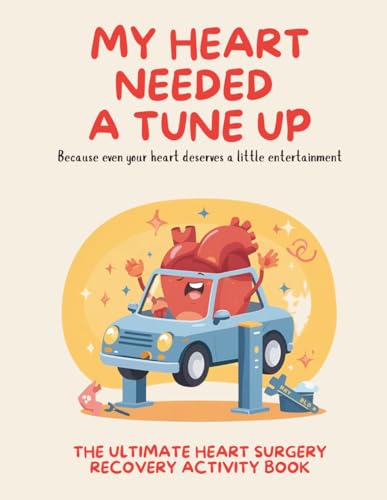
My Heart Needed a Tune Up Activity Book differs from the cookbook by centering on activities rather than recipes, with a funny heart surgery recovery theme. Its 8.5-by-11-inch page size offers a larger reading surface than the card, which can be useful for someone who prefers a book format. The title promises engaging activities, but the specifications do not identify the activity types, so choose it for a recipient who enjoys activity books generally rather than for a particular puzzle or game. Recovery energy can fluctuate; the recipient should be free to use it only when they feel up to it.
Bottom line: Choose this for a patient who likes activity books and can enjoy it at their own pace.
How to choose a heart recovery gift
Start with the recipient’s interests and energy, not with the assumption that every recovery gift should be medical. A card takes only a moment to read; books are better suited to someone who welcomes reading or activities during rest. After major surgery, fatigue is common, and recovery pace differs by procedure and person, so gifts that can be put aside are often more considerate than ones requiring a schedule. For food-centered gifts, first check whether the recipient has dietary guidance from their clinician. Heart-healthy eating plans can differ based on conditions such as high blood pressure, diabetes or kidney disease. A practical decision rule: choose a card if you are unsure about appetite, diet or attention span; choose a book when you know the person will enjoy its subject.
Heart surgery gift formats compared
Format determines how much time or attention a gift asks of someone in recovery. Greeting cards are brief and can carry a personal message, while books can offer a longer activity but may wait until the recipient feels rested. This guide can help match a gift type to the recipient’s preference; it is not a measure of medical suitability.
| Gift type | Best match | Consider |
|---|---|---|
| Card | Someone who appreciates a short note | Whether humor feels welcome |
| Cookbook | Someone interested in recipes | Individual food guidance |
| Activity book | Someone who enjoys activities | Energy and interest can vary |
Keep the gift optional: recovery plans often prioritize rest and clinician-directed activity over entertainment. A card can be read immediately or later, and a book can be used in short sessions rather than completed at once.
Food gifts and heart-healthy eating
A heart-focused cookbook is most appropriate when it complements the recipient’s own nutrition plan. Common heart-health goals include limiting sodium and choosing unsaturated fats in place of saturated fats, but a patient’s needs can differ with diagnoses, medications and clinician advice. The American Heart Association’s general sodium guidance for most adults is no more than 2,300 milligrams per day, with an ideal limit of 1,500 milligrams for most adults; individual guidance may differ. Do not assume a recipe book fits a specific medical diet simply because its title refers to heart health. When food restrictions are unclear, choose a non-food gift or ask a caregiver whether a cookbook would be welcome.
Giving gifts during heart surgery recovery
Recovery from heart surgery is gradual, and the patient’s care team sets limits for lifting, driving and physical activity. A gift should not pressure the recipient to be active or to resume routines before clearance. Keep books or other items within comfortable reach only if a caregiver says that is appropriate; sternotomy recovery can involve restrictions on lifting and arm movements. Avoid food or supplements unless the care team has cleared them, since some products can conflict with a treatment plan. A simple message that does not ask for a quick reply is often considerate. If visiting, check first: rest, infection precautions and appointment schedules can affect when a patient can receive company.
Frequently Asked Questions
What is a thoughtful gift after heart surgery?
A card or a book aligned with the patient’s interests can be thoughtful without requiring a particular activity. Keep the gift optional, since recovery fatigue and restrictions vary by procedure and person.
Can I give a cookbook to someone with heart disease?
Yes, if it suits the recipient’s interests and food guidance. General heart-health guidance often emphasizes sodium limits, but dietary needs can differ with conditions such as kidney disease or diabetes, so confirm the gift is appropriate.
How large is a typical greeting card gift?
Greeting cards vary by design; the heart surgery card here measures 5.3 by 8 inches. Check whether the recipient wants a humorous message before choosing a joke-themed card.
Should I bring food during heart surgery recovery?
Ask the patient or caregiver before bringing food, because sodium, fluid or other dietary limits may apply. Some people also have appetite changes after surgery, so a non-food gift avoids guessing.
When can someone use an activity book after surgery?
There is no single schedule; fatigue and recovery instructions differ. The patient can use an activity book in short, optional periods once they feel comfortable and their care plan allows normal seated activity.