
Glasses for Fluorescent Light Sensitivity: 3 Compared

For fluorescent light sensitivity, the AVDLAB rose-tinted pair is the clearest match because its FL-41 lens targets 480–520 nm light and its size is 54. Choose another pair if you prefer a medium acetate frame or want polycarbonate lenses instead.
FL-41 glasses use rose-tinted lenses to filter selected wavelengths; tint strength and fit can change how they feel in different rooms.
We earn a commission if you buy through links on this page. As an Amazon Associate I earn from qualifying purchases. Products are compared on manufacturer specifications, not hands-on testing.
- Best overall: AVDLAB FL-Flex 54 – Its 25% light-pink FL-41 tint targets the 480–520 nm range.
- Best for polycarbonate lenses: MAXJULI FL-41 Rose – It uses non-prescription polycarbonate lenses with an anti-reflective coating.
- Best for acetate frame preference: Bloomoak FL-Flex Medium – It has a classic square acetate frame and medium sizing.
| Product | Best for | Lens tint | Lens material | Frame size | Shop |
|---|---|---|---|---|---|
| AVDLAB FL-Flex 54 | Indoor FL-41 tint | 25% light pink | — | 54 | Check Price on Amazon |
| MAXJULI FL-41 Rose | Polycarbonate lens | FL-41 rose | Polycarbonate | Standard | Check Price on Amazon |
| Bloomoak FL-Flex Medium | Medium acetate frame | Light rose coral | Nylon | Medium | Check Price on Amazon |
Glasses for fluorescent light sensitivity
Compare the tint, lens construction and measurements that distinguish these indoor light-filtering glasses.
AVDLAB FL-Flex 54
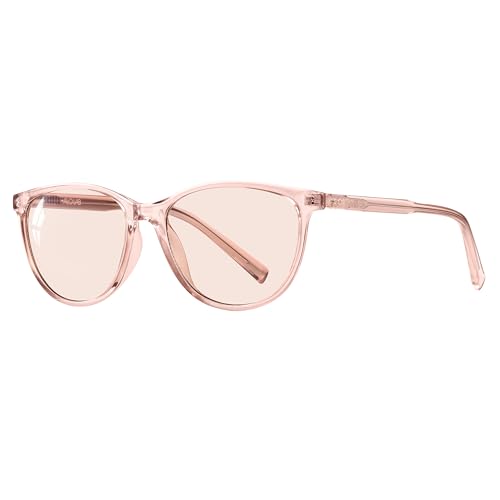
The AVDLAB pair is the only one here with a tint percentage and numeric frame size: its light-pink lens is 25%, with size 54. The maker says the FL-41 lens targets 480–520 nm wavelengths, and the specifications also identify 100% UVA/UVB coating. That makes it a useful match for shoppers seeking an indoor rose tint with a wavelength range. The frame is cat-eye style. A limitation is that the fields do not give an exact lens material, so buyers who need a particular material should confirm it before ordering.
Bottom line: Pick this if a 25% rose tint and 54 frame size fit your priorities.
MAXJULI FL-41 Rose
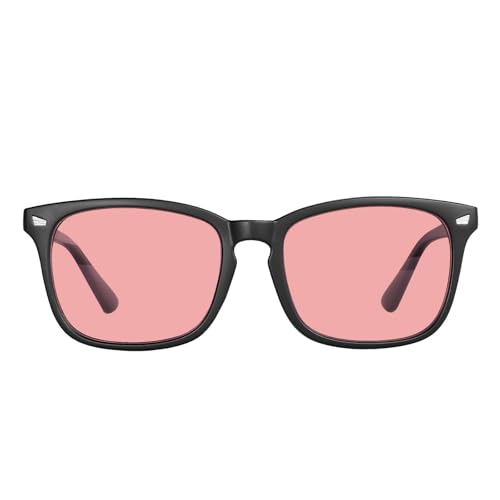
The MAXJULI pair distinguishes itself with a specified polycarbonate lens and anti-reflective coating, rather than a tint percentage. Its rose FL-41 lens is non-prescription, and the maker says it filters light from fluorescent, LED and digital screens. The product is described as lightweight and flexible, with a standard size. That combination suits someone prioritizing lens material and general indoor or screen use over a precise tint strength. One limitation is that the frame sizing is only “standard,” so anyone needing a measured fit should verify frame dimensions before ordering.
Bottom line: Choose this if polycarbonate construction matters more than a numeric tint strength.
Bloomoak FL-Flex Medium

Its light rose coral tint is intended for indoor use, and the maker says it reduces 480–520 nm blue light; the fields also give a 100% UV400 claim. This suits shoppers who want a medium frame and prefer nylon over polycarbonate.
Bottom line: Pick this if a medium acetate square frame is the key fit preference.
How to choose fluorescent light sensitivity glasses
Start with the tint and the light environment: rose FL-41 lenses target selected blue-violet wavelengths, while lens darkness can change how much visible light reaches the eye. Most indoor FL-41 glasses are designed for ordinary room lighting rather than bright sun, so compare tint strength when that figure is available. A practical rule is to start with a lighter indoor tint for office use and reserve darker tints for environments where dimmer vision is acceptable. Anti-reflective coatings can reduce reflections from the lens surface, but they do not make a lens prescription or guarantee comfort. If you need corrective vision, check whether the frame and lens are available in your prescription.
What FL-41 tint and wavelength figures mean
FL-41 is a rose tint associated with filtering portions of the blue-green spectrum; the AVDLAB and Bloomoak specifications specifically name 480–520 nm. A wavelength range describes the colors targeted, not the percentage of visible light transmitted. Tint percentage and visible-light transmission are not interchangeable unless a maker defines the measurement, so avoid comparing a percentage from one product with another product’s wavelength claim. Rose tint also changes color perception, which can matter for design, color-coded work or tasks requiring accurate color judgment. For indoor fluorescent glare, prioritize a fit that stays comfortably in place and a tint suited to the room rather than assuming that a broader claim means a darker lens.
Frame fit and lens material
Frame fit affects comfort as much as lens color: a frame that is too narrow can pinch, while one that is too wide may slide during movement. A 54 frame-size number typically refers to lens width in millimeters, not the full frame width, so use it alongside bridge and temple measurements when matching an existing pair. Polycarbonate is a lightweight, impact-resistant lens material commonly used in eyewear; nylon lenses can also be lightweight and flexible. The MAXJULI specifies polycarbonate, and Bloomoak specifies nylon. For any pair, measure an existing comfortable frame and confirm bridge and temple dimensions when those measurements are important to fit.
Using tinted glasses safely indoors
Indoor tinted glasses reduce some incoming visible light, so use them where the room remains bright enough to see steps, screens and obstacles clearly. Do not wear indoor tints as a substitute for protective eyewear around tools, chemicals or impact hazards; ordinary eyewear may not meet those task-specific safety requirements. UV400 or UVA/UVB claims address ultraviolet protection, but indoor fluorescent lighting and outdoor sunlight are different use conditions. For driving, choose eyewear intended for daytime visibility and avoid dark lenses at night, when reduced light can impair hazard detection. If light sensitivity is new, severe or accompanied by eye pain or sudden vision changes, seek prompt advice from an eye-care professional.
Frequently Asked Questions
Do FL-41 glasses work for fluorescent lights?
FL-41 rose tints are designed to filter selected wavelengths, and some product claims specify 480–520 nm. Room brightness, tint strength and fit all affect whether a pair feels suitable.
Can I wear rose-tinted glasses all day indoors?
Many indoor-tint glasses are intended for everyday indoor wear, but a darker tint reduces visible light and can make dim hallways harder to navigate. Keep enough ambient lighting to see steps and obstacles clearly.
What does size 54 mean on eyeglasses?
A 54 usually means each lens is 54 millimeters wide, not that the complete frame is 54 millimeters across. Compare lens width with bridge and temple measurements from a pair that fits comfortably.
Are FL-41 glasses safe for driving at night?
Avoid dark or strongly tinted lenses for night driving because they reduce the light available to see hazards. Use untinted corrective eyewear if needed and reserve indoor tints for suitable bright environments.
Do tinted glasses replace prescription lenses?
Non-prescription tinted glasses do not correct refractive errors. If you need vision correction, confirm prescription availability and fit with an eye-care professional or optical provider.