
Kinder’s Roast Chicken Seasoning: 5 Blends Compared

For Kinder’s roast chicken seasoning, Kinder’s Roast Chicken Seasoning is the direct match; its Roast Chicken flavor is the deciding distinction. Choose Kinder Roast Chicken with Garlic & Herbs if you want a garlic-and-herb version in a two-pack, or consider the grilled and rotisserie-style blends for a different flavor profile.
Seasoning rubs are dry blends applied to the surface of food before cooking. Confirm package size before ordering because the size information conflicts for some options.
We earn a commission if you buy through links on this page. As an Amazon Associate I earn from qualifying purchases. Products are compared on manufacturer specifications, not hands-on testing.
- Best overall: Kinder’s Roast Chicken Seasoning – The only single-bottle option specifically identified as Roast Chicken.
- Best for garlic and herbs: Kinder Roast Chicken with Garlic & Herbs – Its herb blend includes rosemary, thyme, garlic, and onion.
- Best for rotisserie flavor: McCormick Rotisserie Chicken Seasoning – A rotisserie-style blend intended for chicken parts and whole chicken.
| Product | Best for | Blend | Package | Ingredient or label claims | Shop |
|---|---|---|---|---|---|
| Kinder’s Roast Chicken Seasoning | Roast chicken | Roast Chicken | 1 bottle | Non-GMO, MSG-free, keto-friendly, Kosher | Check Price on Amazon |
| Kinder Roast Chicken with Garlic & Herbs | Herb-forward flavor | Roast Chicken, garlic and herbs | 2-pack in name | Gluten-free, Non-GMO | Check Price on Amazon |
| McCormick Rotisserie Chicken Seasoning | Rotisserie-style flavor | Rotisserie Chicken | 1 bottle, 5 oz | No MSG added | Check Price on Amazon |
| Kinder’s Grilled Chicken Seasoning, 2 Bottles | Grilled chicken | Grilled Chicken | 2 bottles | Non-GMO, MSG-free, keto-friendly, Kosher | Check Price on Amazon |
| K Grilled Chicken Seasoning, 9.2 oz | Larger grilled blend | Grilled Chicken | 1 bottle, 9.19 oz | No artificial flavors, fillers, or additives | Check Price on Amazon |
Kinder’s roast chicken seasoning and alternatives
Compare the roast chicken blend with related grilled and rotisserie-style seasonings by flavor and format.
Kinder’s Roast Chicken Seasoning

This is the direct Kinder’s Roast Chicken match, unlike the grilled chicken and rotisserie-style alternatives. It comes as one shaker bottle, and its claims include Non-GMO, MSG-free, keto-friendly, and Kosher. That makes it the straightforward choice when the roast chicken blend itself matters more than a multi-pack or a different seasoning profile. The name and size fields give conflicting ounce amounts, so confirm the package size before ordering. For food safety, season the chicken as desired but use a thermometer; poultry should reach 165°F in the thickest part.
Bottom line: Choose this when you want Kinder’s roast chicken seasoning in a single shaker.
Kinder Roast Chicken with Garlic & Herbs
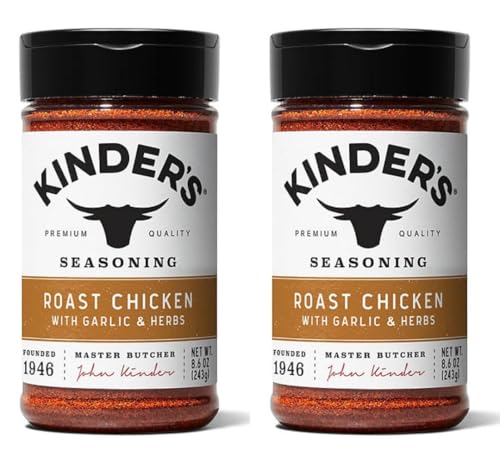
This roast chicken option stands apart for its named garlic-and-herb profile, including rosemary and thyme; Kinder’s Roast Chicken Seasoning is the simpler direct-match shaker choice. The specifications describe use with oven roasting, air frying, and grilling, and suggest potatoes and vegetables as other applications. Pick it if those herbs are the deciding flavor; buyers seeking a specific package size should resolve the conflicting measurements first.
Bottom line: Pick this for a rosemary, thyme, garlic, and onion profile.
McCormick Rotisserie Chicken Seasoning
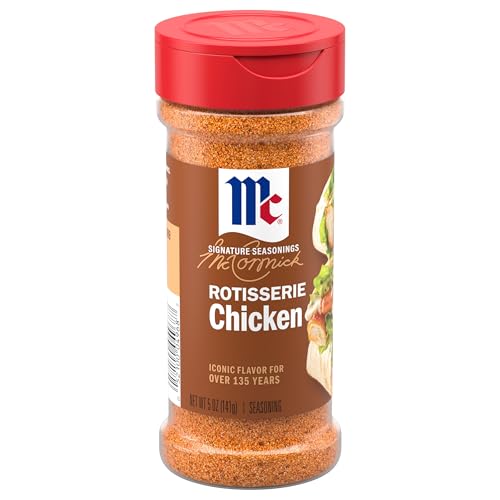
This is a rotisserie-style seasoning rather than a Kinder’s roast chicken blend, making its flavor direction the key difference. The 5-ounce shaker is described for chicken thighs, drumsticks, whole chicken, wings, and boneless breasts, as well as salmon and pork. Its ingredient description names onion, spices, and garlic, and the fields say no MSG is added. Choose it if you want a ready-to-use rotisserie-style blend across several proteins. It is not the match for shoppers set on the Kinder’s brand or the specific Roast Chicken blend.
Bottom line: Choose this when rotisserie-style seasoning matters more than the Kinder’s blend.
Kinder’s Grilled Chicken Seasoning, 2 Bottles

This Kinder’s option is labeled Grilled Chicken, so it differs from the roast chicken blends in its intended flavor style. Its versatility includes meats, vegetables, poultry, and seafood. It suits someone prioritizing a grilled chicken profile and two shakers, but not someone looking specifically for the Roast Chicken label.
Bottom line: Pick this for a Kinder’s grilled chicken seasoning profile and two shakers.
K Grilled Chicken Seasoning, 9.2 oz

This is a larger single-container grilled chicken blend, not a roast chicken seasoning; the 9.19-ounce package distinguishes it from the other grilled option. Its specifications say it is handcrafted and made without artificial flavors, fillers, or additives. Choose it if you want a grilled chicken blend in a larger stated package and are not committed to Kinder’s or a roast-specific flavor.
Bottom line: Choose this for a 9.19-ounce grilled chicken blend rather than a roast-specific one.
How to choose a chicken seasoning
Choose by the flavor label first: roast chicken, grilled chicken, and rotisserie-style blends are not interchangeable names. A dry rub seasons the surface, while a marinade adds liquid and generally needs a separate food-safe container and handling. Salt content can change how aggressively you should season; when a label gives a salt amount, account for it before adding extra salt. Apply a dry blend evenly, including under loose skin when preparing a whole bird, and avoid cross-contaminating the shaker with hands or utensils that touched raw poultry. For an oven-roasted bird, use a thermometer rather than relying on browned skin or cooking time: poultry must reach 165°F internally. Pick a different profile when the intended dish is grilled chicken or rotisserie-style chicken rather than roast chicken.
Seasoning types and the right cooking fit
Roast, grilled, and rotisserie-style blends signal different flavor goals, not a required cooking method. The garlic-and-herb blend here names rosemary and thyme, while the rotisserie blend names onion, spices, and garlic; check the blend label when a particular ingredient matters. A dry seasoning can be used on chicken parts or a whole bird, but surface coverage and thickness affect how much seasoning is needed. The table maps the product style to a reasonable choice; it does not promise identical flavor between brands.
| Need | Choose a blend labeled | Why |
|---|---|---|
| Roast chicken flavor | Roast Chicken | Matches the requested style |
| Herb-forward roast | Garlic and herbs | Rosemary and thyme are named |
| Rotisserie-style taste | Rotisserie Chicken | Explicit rotisserie-style positioning |
| Grilled chicken flavor | Grilled Chicken | Matches that cooking profile |
How to season and cook poultry safely
Use a food thermometer to verify 165°F in the thickest part of poultry, avoiding contact with bone; color alone does not establish doneness. For a whole chicken, check multiple spots, including the breast and the innermost thigh area. Keep raw-poultry utensils and surfaces separate from cooked food, and wash hands after handling raw chicken. If you apply seasoning ahead of cooking, refrigerate the chicken rather than leaving it at room temperature; perishable food should not sit out more than 2 hours, or 1 hour when the surrounding temperature is above 90°F. These steps matter regardless of whether the blend is roast, grilled, or rotisserie-style.
Frequently Asked Questions
When should I put seasoning on chicken?
Apply a dry seasoning shortly before cooking or refrigerate the seasoned chicken if preparing it ahead. Do not leave raw chicken at room temperature for more than 2 hours, or 1 hour above 90°F.
What temperature should roast chicken reach?
Poultry should reach 165°F internally, measured with a food thermometer. Check the thickest areas without touching bone, since bone can affect the reading.
How should I store seasoned raw chicken?
Keep seasoned raw chicken refrigerated until cooking rather than at room temperature. Use separate utensils and surfaces for raw poultry and ready-to-eat foods to limit cross-contamination.