
Kiwi Shoe Polish Neutral: Tin and Shine Compared

For most leather-shoe owners, KIWI Neutral Shoe Polish Tin is the straightforward pick: its 1.125-ounce neutral wax polish is made for shoes and boots. Choose KIWI Premiere Shine Neutral instead if you want a liquid polish with a two-layer sponge applicator; neutral polish adds shine without choosing a color match.
Neither format is intended for suede or nubuck, and KIWI Neutral Shoe Polish Tin also excludes patent leather.
We earn a commission if you buy through links on this page. As an Amazon Associate I earn from qualifying purchases. Products are compared on manufacturer specifications, not hands-on testing.
- Best overall: KIWI Neutral Shoe Polish Tin – A neutral wax polish in a compact 1.125-ounce metal tin for leather shoes and boots.
- Best for sponge application: KIWI Premiere Shine Neutral – Its 2.5-ounce neutral formula uses a two-layer sponge with controlled dosage.
- Best for simple tin format: Kiwi 10114 Neutral Polish – A 1.125-ounce neutral polish tin for shoppers who want the smaller format.
| Product | Best for | Format | Size | Applicator | Shop |
|---|---|---|---|---|---|
| KIWI Neutral Shoe Polish Tin | Leather shoes | Wax tin | 1.125 oz | Apply and buff | Check Price on Amazon |
| Kiwi 10114 Neutral Polish | Compact tin | Tin polish | 1.125 oz | Apply and buff | Check Price on Amazon |
| KIWI Premiere Shine Neutral | Sponge application | Liquid polish | 2.5 oz | Two-layer sponge | Check Price on Amazon |
Kiwi neutral shoe polish options
Compare the tin and sponge-applied formats by size and application style before choosing.
KIWI Neutral Shoe Polish Tin

Unlike the sponge-applied alternative, this is a classic wax polish in a metal tin. KIWI says the polish shines and nourishes leather and provides long-lasting water protection, stain coverage, and scuff coverage. Its neutral color suits leather when you want polish without selecting a matching shade, and the 1.125-ounce size is compact for occasional care. Use it on leather shoes or boots, not suede, nubuck, or patent leather; buyers seeking a no-buffing routine may prefer a sponge format.
Bottom line: Pick this if you want neutral wax polish for leather shoes or boots.
Kiwi 10114 Neutral Polish
This option is another 1.125-ounce neutral shoe polish tin, making its main distinction the specific Kiwi 10114 product name rather than a different applicator or larger size. The neutral shade works when you want to polish leather without adding a colored tint. A tin format suits a routine where you apply polish and buff the shoe, rather than spreading liquid with an attached sponge. The specifications do not identify a specific leather exclusion, so confirm material compatibility before use, especially on delicate finishes.
Bottom line: Choose this if you prefer the 10114 tin format and neutral polish.
KIWI Premiere Shine Neutral
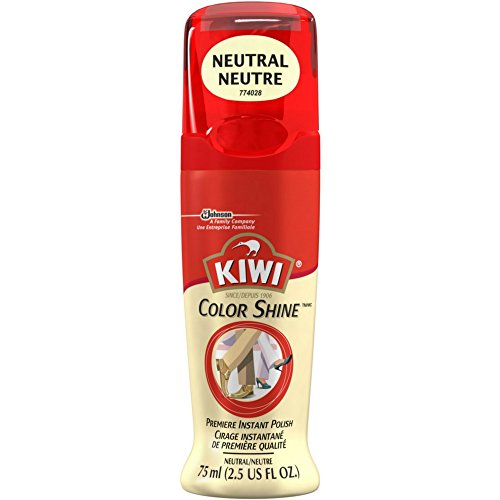
Unlike the two tin polishes, this 2.5-ounce neutral formula comes with a two-layer sponge designed to control dosage and buff as you apply. Its carnauba wax formula is intended to give leather shoes a shine, while the sponge format can suit someone who would rather apply and buff in one step. The larger container size may suit more frequent use than a 1.125-ounce tin. Its neutral shade avoids a color choice, but the product facts focus on shoes, so do not assume compatibility with suede or nubuck.
Bottom line: Pick this if you want a larger neutral polish with an attached sponge.
How to choose neutral shoe polish
Choose a format based on how you want to apply and finish the polish. Tin wax typically needs a cloth or applicator and a buffing step; sponge-applied liquid combines dispensing and application, and some products are designed to buff as they go. Neutral polish has no intended color pigment, so it is useful when matching a colored polish is difficult, but it does not recolor worn leather. Apply a thin layer rather than a heavy coat: excess wax can leave a cloudy residue that takes extra buffing to remove. For a new product or unfamiliar finish, try a small, inconspicuous area first and let it dry before treating the whole shoe. These formats are for smooth leather, not suede or nubuck.
Neutral polish and leather compatibility
Neutral polish is best when you want shine without adding a deliberate color tint; it cannot restore color that has already worn away. Leather shoes and boots are the intended materials for KIWI Neutral Shoe Polish Tin, while patent leather, suede, and nubuck should be kept out of its use. Suede and nubuck have a napped surface that wax can flatten or mark, and patent leather has a coated finish that calls for compatible care. Before applying any polish to a leather item, check that it is smooth leather and test a hidden spot. On pale or porous leather, even clear products can leave a visible change, so use a light application and stop if the test area darkens.
Tin wax versus sponge-applied polish
Tin wax and sponge-applied polish differ most in how much control and finishing work they require. Wax in a tin is applied separately and buffed; an integrated sponge can dispense product directly and may reduce the need for a separate cloth. Use this quick comparison to match the routine to the format rather than assuming one package type works for every shoe.
| Need | Format to consider | Trade-off |
|---|---|---|
| Traditional application | Wax tin | Requires a separate applicator and buffing |
| Combined application and buffing | Sponge polish | Less control than applying wax with a separate cloth |
| No color matching | Neutral polish | Does not restore lost leather color |
Choose a tin when you want to control how much wax goes onto a cloth; choose a sponge if a single integrated applicator matters more.
How to apply polish without buildup
Thin coats are easier to buff than one heavy coat, and a soft cloth helps spread wax evenly across smooth leather. Remove loose dirt first so grit does not scratch the finish as you rub. Work a small amount over the shoe, allow it to dry until the surface looks dull rather than wet, then buff with a clean cloth. A second light coat can build shine, but repeated layers can collect in seams and creases. Keep neutral polish away from suede, nubuck, and surfaces outside the product’s intended materials. Store tins closed and keep sponge applicators from contacting other materials to avoid transferring polish.
Frequently Asked Questions
Does neutral shoe polish change leather color?
Neutral polish is intended to add shine without a deliberate color tint, not to restore faded dye. If a leather shoe has visible color loss, neutral polish will not fill that loss; test a hidden area first because clear products can still alter some finishes.
Can I use Kiwi neutral polish on suede or nubuck?
No, KIWI Neutral Shoe Polish Tin is specifically intended for leather shoes and boots, not suede or nubuck. Those materials have a napped surface that wax may flatten or mark, so use care made for the nap instead.
How much shoe polish should I apply at once?
Start with a thin layer over clean, smooth leather rather than coating the shoe heavily. A thick coat can leave cloudy residue and build up in creases, while a second light layer can be added after the first dries.
Should shoe polish dry before buffing?
Yes, let wax polish dry until the surface looks dull rather than wet before buffing with a clean cloth. Buffing too soon can smear product, while dried excess polish may need more effort to remove.
Can shoe polish be used on patent leather?
Do not use KIWI Neutral Shoe Polish Tin on patent leather; its material restriction excludes that finish. Patent leather has a coated surface, so choose a care product intended for patent finishes instead.