
Knee Support for Swimming: 3 Styles Compared

For swimming, the open-patella, open-back neoprene sleeve is the clearest fit because it is specifically described as water-resistant and made for swimming. Choose a different style if you want a compression wraparound design or silicone pads instead; fit and preferred coverage decide which is right for you.
We earn a commission if you buy through links on this page. As an Amazon Associate I earn from qualifying purchases. Products are compared on manufacturer specifications, not hands-on testing.
- Best overall: BraceAbility Open Patella Neoprene Sleeve (Small) – Water-resistant neoprene, an open front and back, and a measuring method make its fit approach clear.
- Best for wraparound compression: Nvorliy AquaFlex Pro Knee Brace (Medium) – Its description centers on reinforced wraparound compression for aquatic activities.
- Best for silicone pads: DOITOOL Silicone Knee Pads (Pair) – The pair is made of silicone and sized about 5.11 inches square.
| Product | Best for | Size | Material | Design | Shop |
|---|---|---|---|---|---|
| BraceAbility Open Patella Neoprene Sleeve (Small) | Open-knee coverage | Small | Neoprene | Open front and back | Check Price on Amazon |
| Nvorliy AquaFlex Pro Knee Brace (Medium) | Wraparound compression | Medium | — | Wraparound compression | Check Price on Amazon |
| DOITOOL Silicone Knee Pads (Pair) | Silicone pad coverage | 13 × 10 cm | Silicone | Pair of pads | Check Price on Amazon |
Knee support for swimming
Compare the coverage, material and fit approach before choosing a style for time in the water.
BraceAbility Open Patella Neoprene Sleeve (Small)

Unlike a full-coverage sleeve, this water-resistant neoprene brace leaves the front and back of the knee open. The product is made for swimming and other water sports, with a flexible material and athletic compression design. To choose a size, measure 6 inches above and 6 inches below the middle of the kneecap, then use the product’s sizing guide. The Small designation matters: it may not suit swimmers whose measurements fall outside that size. Choose it if you want neoprene support with open-knee coverage rather than a silicone pad or wraparound-style compression.
Bottom line: Pick this if you want a water-resistant neoprene sleeve with open front and back coverage.
Nvorliy AquaFlex Pro Knee Brace (Medium)
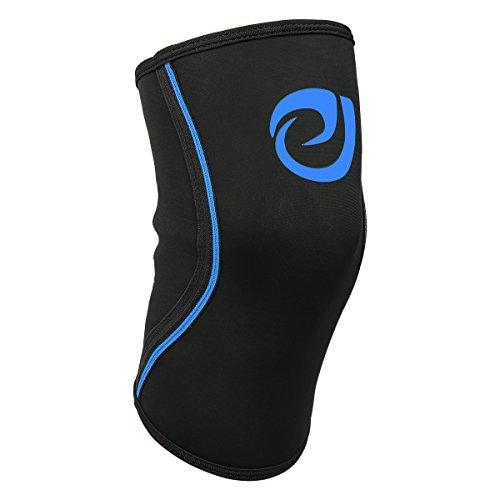
This brace emphasizes wraparound compression, unlike the open-front sleeve and separate silicone pads. Its maker describes it for swimming, surfing, diving, kayaking and other water activities, with compression around the knee and patella. The size is Medium, so this choice is most relevant to shoppers already confident that size suits them. Choose it for a compression-focused design, not open-knee coverage.
Bottom line: Choose this if wraparound compression matters more to you than an open-knee design.
DOITOOL Silicone Knee Pads (Pair)

These silicone pads come as a pair, rather than as a single compression sleeve. The maker says the elastic design wraps around the knee, while noting that fit and tightness vary with leg shape. That makes careful attention to fit especially important: a pad that feels too tight or slips may not suit your swim session. Choose this style if you prefer silicone pads over neoprene or a compression brace.
Bottom line: Pick these if you want a pair of silicone knee pads rather than a sleeve.
How to choose knee support for swimming
Start with coverage and fit: a sleeve covers more of the joint, while pads provide a smaller contact area. These three choices span open-front neoprene, wraparound compression and silicone pads, so decide which design you want before comparing size labels. Measure the knee with a flexible tape where the product’s sizing guidance calls for it; the BraceAbility guide uses points 6 inches above and below the kneecap center. A size label alone does not establish a fit across brands. For a simple decision rule, if you need an exact measurement-based sizing method, favor the option that gives one and follow its chart; if you already know your size, compare the design and material instead.
How knee sleeves and pads differ in water
A sleeve surrounds the knee, while pads cover a smaller area and may be worn as a pair. Neoprene is a common wetsuit material because it insulates in water, but thickness affects warmth and flexibility; no thickness is given for the sleeve here. A water-resistant label is not the same as a waterproof rating, so do not assume any brace prevents water entry or stays fixed during every stroke. For swimming, a practical decision rule is to prioritize a secure, comfortable fit that does not limit knee bending; stop using support that causes numbness, tingling or increased discomfort. Choose coverage and movement freedom before relying on claims of joint stability.
How to get a swimming knee brace to fit
Measure consistently: keep the tape level and snug without compressing the skin, and measure both legs if their sizes differ. A Medium or Small label should not be treated as a universal size across brands. Silicone pads also note that leg shape affects tightness and experience, so test the fit gently before entering the water. The support should stay in place without cutting off circulation or restricting a comfortable range of motion; remove it if the skin becomes numb, tingly or unusually painful.
Care for knee support after swimming
Rinse swim gear with fresh water after use in a pool or ocean, because chlorine and salt can remain on fabric and elastic. Let the support air-dry fully before storing it; trapped moisture can encourage odor and material deterioration. Avoid high heat, which can damage elastic fibers and some foam or rubber materials. Care instructions differ by material, so check the care label before washing or applying cleaners. Do not wring neoprene or leave a damp brace sealed in a bag for an extended period. A clean, completely dry support is more comfortable to put on next time and less likely to carry grit against the skin.
Frequently Asked Questions
Can you swim while wearing a knee brace?
Yes, some braces are made for swimming, including water-resistant sleeves and water-sport pads. Check that the support stays secure and does not restrict comfortable knee bending; stop if you notice numbness or tingling.
How tight should a swim knee sleeve feel?
A swim knee sleeve should feel secure without causing numbness, tingling or skin color changes. If those occur, remove it and reassess the size and placement before swimming.
How do you measure for a knee sleeve?
Use a flexible tape and follow the specific product’s sizing method. One method measures circumference 6 inches above and 6 inches below the center of the kneecap, so a generic knee measurement may not match every size chart.
Should I rinse a knee brace after pool swimming?
Rinse a swim brace with fresh water after pool or ocean use, then air-dry it fully before storage. Chlorine and salt left on materials can contribute to wear over time.
Can a knee brace limit swimming movement?
A poorly fitted brace can restrict comfortable knee bending or slip during movement. Try a gentle range-of-motion check before entering the water, and remove support that causes discomfort.